
Table of Contents
- Signs You May Need Cataract Surgery
- How Cataracts Impact Your Quality of Life
- What Happens If You Wait Too Long for Cataract Surgery
- Understanding the Cataract Surgery Procedure
- Cataract Surgery Recovery Time and What to Expect
- Cataract Surgery Cost Without Insurance
- Risks, Complications, and When to Consult an Ophthalmologist
- Making Your Decision: Is It the Right Time?
Last Updated: August 10, 2026
Signs You May Need Cataract Surgery
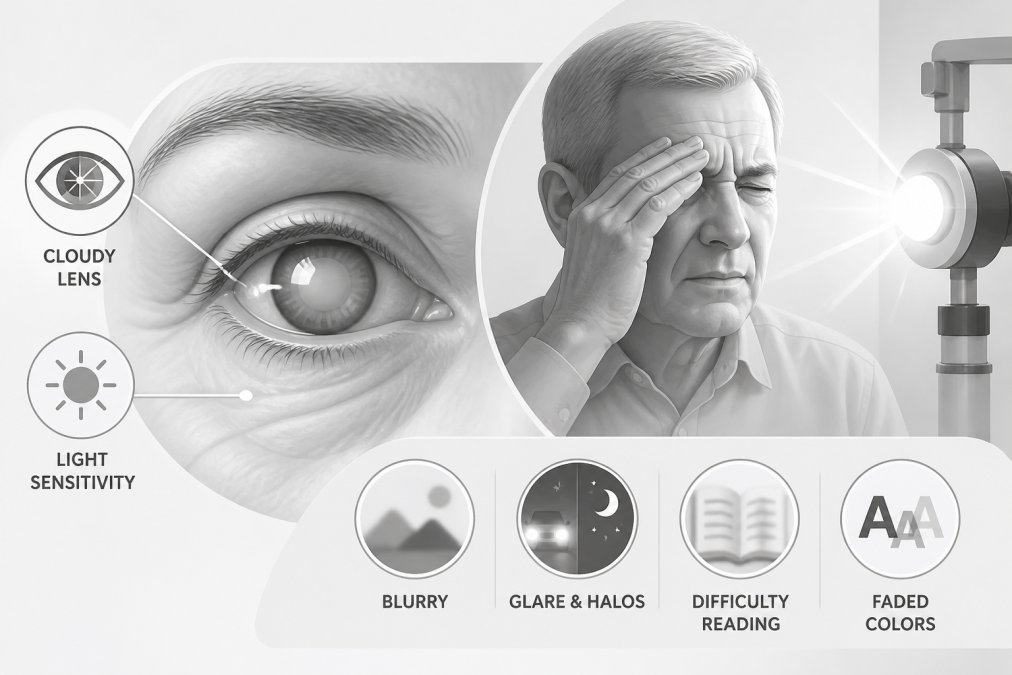
A cataract develops when the eye’s natural lens becomes cloudy, scattering light and reducing vision clarity. The decision to pursue cataract surgery depends on how much cloudiness affects your ability to live the life you want. At Clear Vision San Antonio, patients make the best decisions when they understand what they’re experiencing and how it impacts daily function.
The most telling sign that cataract surgery might be right for you is when vision changes noticeably interfere with activities that matter, not small inconveniences, but meaningful loss of function.
Vision changes that affect daily life
Cloudy vision is the hallmark symptom. Some describe it as looking through a frosted window; others say colors seem muted or yellowed. Reading may require more light, and fine print becomes difficult despite corrective lenses.
The real question is: does this affect what you do? Can you still read comfortably, drive safely, cook, or pursue hobbies? If routine tasks require significantly more effort or have become unsafe, that’s a functional threshold worth discussing with an ophthalmologist.
Glare and halos around lights become particularly problematic as cataracts progress. A streetlight might create a starburst effect; oncoming headlights could feel painfully bright. This compromises safety and quality of life. Many patients find evening activities increasingly difficult before recognizing it as a cataract issue.
Contrast sensitivity, the ability to distinguish objects from their background, often declines with cataracts. You might struggle to see stairs, curbs, or obstacles in dim lighting, increasing fall risk, especially for older adults.
Night driving and glare sensitivity
Night driving reveals cataracts quickly. The combination of reduced light and oncoming headlights creates the perfect storm for vision problems. If you’ve hesitated to drive at night, reduced your routes, or asked others to drive, that’s meaningful functional loss.
Glare sensitivity extends beyond driving. Some patients report difficulty watching television or avoiding bright environments altogether. The progressive nature of this symptom is important: it doesn’t happen overnight, which is why many people adapt gradually without realizing how much their world has shrunk.
The American Academy of Ophthalmology emphasizes that visual acuity alone doesn’t determine surgical candidacy. A person might have 20/40 vision on a chart but experience severe functional limitations due to glare and contrast sensitivity.
How Cataracts Impact Your Quality of Life
Vision loss extends far beyond the eye itself. When you stop reading, driving, pursuing hobbies, or socializing, the effects compound. Vision loss contributes to isolation, depression, and accelerated decline in overall health and independence.
Cataract surgery isn’t medically urgent in most cases, your eye won’t be harmed by waiting. But your quality of life might be. If cataracts prevent you from activities that bring meaning and connection, that’s a legitimate reason to consider surgery sooner rather than later.
Many patients report not realizing how much their vision had declined until after surgery. They’d adapted so gradually that reduced function seemed normal. Post-operative clarity often comes as a revelation: "I didn’t know how much I was missing."
The timing of surgery is ultimately about your priorities and comfort level. Some prioritize maintaining independence and activity and choose surgery relatively early. Others prefer to wait until the cataract becomes more advanced. Both approaches are medically reasonable if you’re making an informed choice with your ophthalmologist.
What Happens If You Wait Too Long for Cataract Surgery
The risk of waiting too long isn’t immediate danger, but progressive functional loss and possible surgical complications if the cataract becomes very dense.
A mature or hypermature cataract is harder to remove surgically. The lens becomes increasingly hard and dense, making the procedure more technically challenging. This can increase complication risk, extend recovery time, and potentially affect outcomes. In rare cases, a very advanced cataract can lead to lens-induced glaucoma, a sudden increase in eye pressure requiring urgent treatment.
Extended periods of reduced vision can affect balance and increase fall risk. Some older adults experience cognitive effects from sensory deprivation; reduced visual input can contribute to mental decline. Independence may erode as you become more cautious about activities.
There’s also psychological adaptation. Some people become so accustomed to poor vision that they stop attempting activities they once enjoyed. The longer you wait, the more your world may shrink, and the harder it can be to reclaim that space after surgery.
There’s no magic deadline, but waiting indefinitely while accepting significant functional loss when a safe, effective treatment exists differs from waiting strategically while monitoring your vision and symptoms.
Understanding the Cataract Surgery Procedure
Cataract surgery is one of the most commonly performed surgical procedures in the United States, with high success rates and generally straightforward recovery. Understanding what happens during the procedure reduces anxiety and helps you prepare realistically.
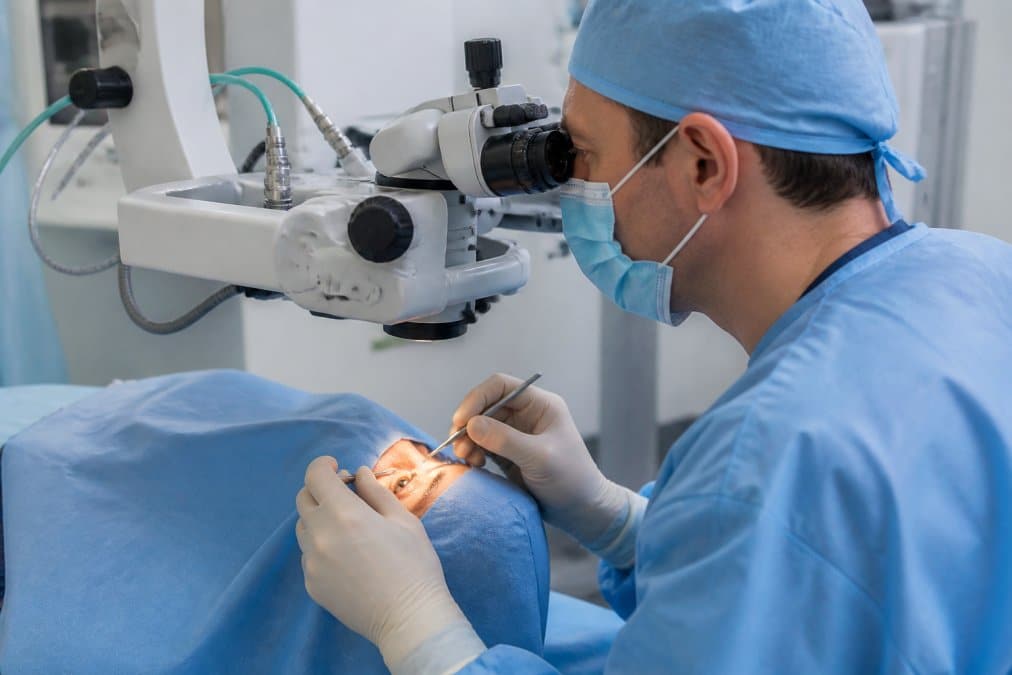
The surgery is an outpatient procedure, typically lasting 15-20 minutes per eye. You’ll receive numbing drops and mild sedation. The surgeon makes a small corneal incision and uses ultrasound energy (phacoemulsification) to break up the cloudy lens into small pieces, which are gently suctioned out. The natural lens capsule is left in place to support the new lens.
An intraocular lens (IOL) is then inserted into the capsule. This artificial lens becomes a permanent part of your eye, requiring no maintenance or replacement.
Intraocular lens options and vision correction
The choice of intraocular lens is one of the most important decisions in cataract surgery. Your lens options determine whether you’ll see clearly and at what distances, and whether you’ll still need glasses.
Standard monofocal lenses provide clear vision at one distance, typically distance vision, requiring reading glasses for near work. This is the most common choice and typically covered by insurance.
Premium IOLs offer additional capabilities. Multifocal lenses attempt to provide functional vision at multiple distances. Accommodating lenses shift slightly within the eye to adjust focus. Extended depth of focus lenses provide a broader range of functional vision. These premium options come at additional cost and are often not covered by insurance.
The right lens choice depends on your lifestyle, visual demands, and comfort with glasses. Someone who reads frequently and doesn’t mind glasses might be satisfied with a standard lens. Someone wanting maximum independence from glasses might prefer a premium option despite additional expense.
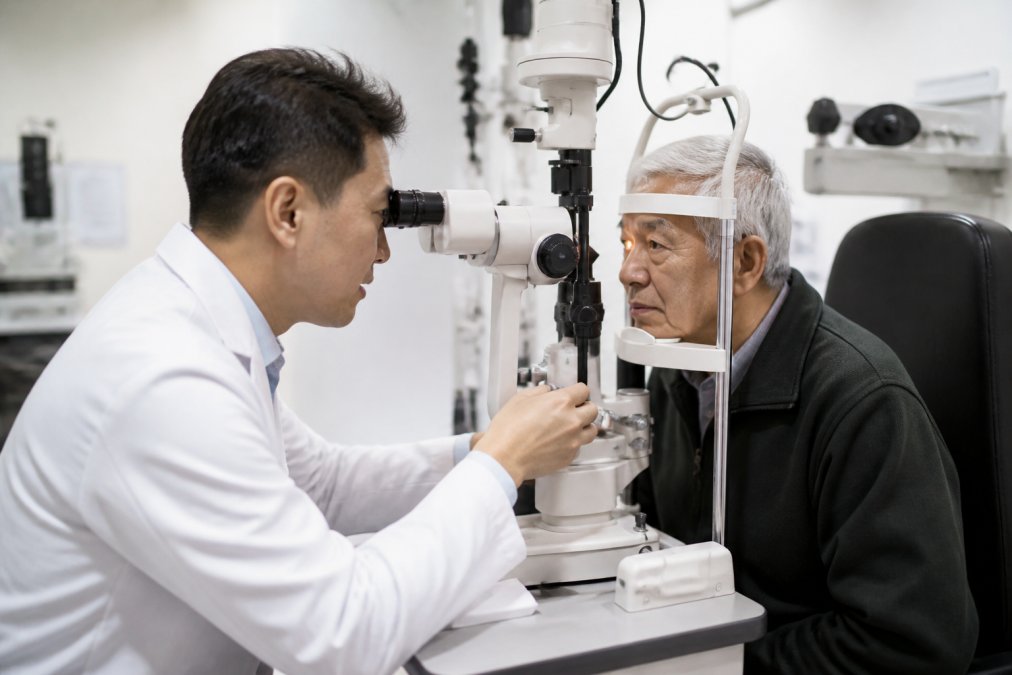
At Clear Vision San Antonio, we discuss these options thoroughly during your consultation, matching your lens choice to your actual daily life and visual priorities.
Cataract Surgery Recovery Time and What to Expect
Recovery from cataract surgery is generally rapid, though complete healing takes time. Understanding the timeline helps you plan appropriately and know what’s normal.
Timeline for healing and functional vision return
Most patients notice improved vision within days of surgery. The eye may feel scratchy or irritated initially, this is normal as the corneal incision heals. You’ll use antibiotic and anti-inflammatory eye drops for several weeks to prevent infection and manage inflammation.
By one week post-surgery, many can return to light activities. By two to four weeks, most resume normal daily activities. Full visual stabilization typically occurs around six weeks, though some improvement continues for several months.
During the first week, avoid water in the eye, protect it from trauma, and use prescribed drops religiously. You’ll have follow-up appointments at one day, one week, and several weeks post-surgery.
Temporary side effects are common and expected: mild discomfort, slight swelling, and minor irritation resolve within days to weeks. Some patients experience temporary dry eye, which typically improves with lubricating drops.
If having surgery on both eyes, they’re typically done separately, usually one to two weeks apart, allowing your first eye to heal before addressing the second.
The return to functional vision typically occurs within two to four weeks. Fine-tuning of your vision prescription may happen later, once your eye has fully healed and stabilized.
Cataract Surgery Cost Without Insurance
Understanding the financial aspects of cataract surgery helps you plan and make informed decisions. Costs vary based on lens type, surgical facility, and surgeon experience.
Without insurance coverage, cataract surgery typically ranges considerably in total cost, reflecting differences in facility fees, surgeon fees, lens options, and pre- and post-operative care. Standard monofocal lens surgery costs less than surgery with premium lens options.
If you have Medicare or private insurance, cataract surgery for functional vision loss is typically covered. Medicare covers the basic procedure, though you may have copays or deductibles. Premium lens upgrades are usually not covered and represent additional out-of-pocket expense.
For those without insurance or facing high deductibles, many surgical centers offer financing options or payment plans. Some facilities offer reduced rates for uninsured patients or bundled pricing including all pre- and post-operative care.
The investment in cataract surgery is significant, but consider the cost of not having surgery: lost income from reduced work capacity, increased fall risk and potential injury costs, reduced independence, and cumulative quality-of-life impact.
Risks, Complications, and When to Consult an Ophthalmologist
Like any surgical procedure, cataract surgery carries risks. However, serious complications are uncommon and most issues are minor and manageable.
Common minor complications include temporary dry eye, mild inflammation, and slight astigmatism. These typically resolve with drops and time.
Less common but more serious complications include infection, bleeding inside the eye, retinal detachment, and glaucoma. Posterior capsule opacification, cloudiness of the membrane behind the lens, develops in some patients months or years after surgery and can be easily treated with a laser procedure.
Your complication risk increases if you have other eye conditions (glaucoma, macular degeneration, diabetic eye disease) or systemic conditions like diabetes. A thorough pre-operative evaluation identifies risk factors and allows your surgeon to plan accordingly.
Consult an ophthalmologist if you’re experiencing cataract symptoms, if your vision has changed noticeably, or if you’re uncertain whether surgery is right for you. An ophthalmologist can confirm diagnosis, assess severity, and discuss your options clearly.
Seek immediate attention if you experience sudden vision loss, severe eye pain, or eye trauma. These symptoms require urgent evaluation regardless of cataract status.
The decision to have cataract surgery should be made with an ophthalmologist you trust, someone who understands your lifestyle and visual needs. This isn’t a decision to rush, but it’s also not one to delay indefinitely if the cataract affects your quality of life.
Making Your Decision: Is It the Right Time?
The timing of cataract surgery is one of the few medical decisions where patient preference and quality-of-life considerations matter as much as clinical findings. Your ophthalmologist can tell you whether a cataract is present and how advanced it is. Only you can decide whether it’s affecting your life enough to warrant surgery.
Here’s a practical framework for thinking through the decision:
If cataracts are minimally affecting your vision and daily function, monitoring with regular eye exams is reasonable. Your ophthalmologist will track changes and alert you if the cataract progresses significantly.
If cataracts are noticeably affecting your vision but you’re managing with glasses or adjusted habits, you have time to consider your options. Think about your quality of life. How much are you limiting yourself? What activities have you given up?
If cataracts are significantly impacting your ability to work, drive safely, or enjoy activities that matter to you, the case for surgery is stronger. The functional benefit likely outweighs surgical risks and recovery time.
If you’re over 75 or have other health conditions, consult your ophthalmologist about surgical candidacy. Age alone isn’t a contraindication, but other health factors might influence timing and approach.
The psychological component matters too. Some feel anxious about surgery and prefer to wait until functional loss becomes undeniable. Others feel empowered by taking action and prefer earlier surgery. Both approaches are valid; what matters is making a conscious choice, not drifting into either extreme by default.
Clear Vision San Antonio can help you evaluate your specific situation. We combine advanced diagnostic technology with genuine commitment to understanding your visual needs and life circumstances. During a consultation, we can assess your cataract severity, discuss your symptoms and lifestyle, review lens options, and answer your questions about the procedure and recovery.
The goal isn’t to push you toward surgery, but to ensure you have the information and clarity to make a decision you feel confident about. Whether that decision is to proceed now, wait and monitor, or pursue a different approach, it should be yours, informed and intentional.
Cataracts are a common part of aging, but they don’t have to limit your life. If you’re experiencing vision changes that affect your daily activities, or if you’re simply wondering whether cataract surgery might be right for you, scheduling a consultation is the logical next step. At Clear Vision San Antonio, our ophthalmologists combine advanced diagnostic technology with personalized attention to help you understand your options and make the decision that’s best for your vision and quality of life. Request an appointment today to discuss your cataract concerns and explore whether surgery is the right choice for you.
Frequently Asked Questions
How do you know when it's time for cataract surgery?
The right time depends on how much your cataracts affect your daily life. If blurred vision, glare, halos, or difficulty with night driving impacts your ability to work, drive, or enjoy activities you value, cataract surgery may be appropriate. Your ophthalmologist measures visual acuity and assesses your functional vision during a routine eye exam. Surgery is elective, you decide when the benefit outweighs any surgical risks. Some people choose surgery earlier; others wait until vision loss becomes more significant.
What happens if you wait too long for cataract surgery?
Waiting longer allows cataracts to progress and cloudy vision to worsen, which can reduce your quality of life and increase safety risks, especially while driving. In advanced cases, a very dense cataract (called a mature or hypermature cataract) can become harder to remove surgically and may increase complication risk. Delayed surgery can also lead to psychological impact from vision impairment and loss of independence. However, there is no absolute deadline, the decision rests on when vision loss meaningfully affects your daily function and you feel ready to proceed.
How long is cataract surgery recovery time?
Most patients experience improved vision within days to weeks. Initial healing occurs over 4-6 weeks, during which you follow post-operative care instructions, use prescribed eye drops, and avoid strenuous activity. Full visual recovery and stabilization of your new intraocular lens prescription typically takes 4-6 weeks. During this healing process, your ophthalmologist schedules follow-up appointments to monitor your progress and ensure proper healing. Many patients notice functional vision improvement much sooner and can resume normal activities gradually.
Is cataract surgery safe for younger patients?
Yes, cataract surgery is safe for younger patients when cataracts develop early due to injury, medication, or other causes. Younger eyes often heal quickly and adapt well to intraocular lenses. Surgical risks are similar across age groups but must be weighed against the benefit of restored vision. Younger patients may also benefit from advanced lens implants that correct refractive errors and reduce dependence on glasses for near, far, and intermediate distances. Your ophthalmologist can discuss whether surgery is appropriate for your specific situation.
What is the cost of cataract surgery without insurance?
Cataract surgery cost varies based on the type of intraocular lens chosen, surgical technique, facility fees, and surgeon expertise. Basic monofocal lenses typically cost less than premium multifocal or toric lenses that correct astigmatism or presbyopia. Many practices offer financing options or payment plans to make surgery more affordable. Contact Clear Vision San Antonio directly for current pricing and to discuss your financial options, including any available discounts or assistance programs.
Can cataracts be left untreated if they aren't bothering me?
Yes, cataracts can be left untreated if they do not significantly impact your daily life or functional vision. Cataract surgery is elective, you are not required to have it. However, regular eye exams with your ophthalmologist are important for diagnostic monitoring and to track how your cataracts progress. If you eventually decide surgery is right for you, your doctor can help you plan the timing. Early detection through routine exams helps ensure you make an informed decision about when surgery best suits your needs.
How does cataract surgery improve quality of life?
Cataract surgery restores clear vision, which directly improves your ability to perform daily activities, reading, driving, watching television, and enjoying hobbies. Reduced glare and halos enhance night vision and safety while driving. Better contrast sensitivity and color perception help you see the world more vividly. Many patients report improved confidence, independence, and overall well-being after surgery. Advanced intraocular lenses can also reduce or eliminate your need for glasses, further enhancing your quality of life and visual freedom.
What is the best age to have cataract surgery?
There is no single best age for cataract surgery. The right time is when cataracts significantly affect your quality of life and functional vision, regardless of age. Most cataracts develop gradually after age 60, but some people experience them earlier. Your ophthalmologist assesses your visual acuity, symptoms, and how cataracts impact your daily activities. Together, you decide if the benefits of surgery outweigh any surgical risks. Some patients choose surgery in their 50s; others wait into their 70s or 80s. The decision is personal and based on your individual needs.
This article was written using GrandRanker