

Table of Contents
- Common Side Effects After LASIK Surgery
- Dry Eye Syndrome and Long-Term Management
- Visual Disturbances: Halos, Glare, and Starbursts
- Under-Correction and Over-Correction Issues
- LASIK Candidacy Requirements and Screening
- Cost for Laser Eye Surgery and Complication Expenses
- LASIK Recovery Timeline and Realistic Expectations
- Long-Term Risks and Vision Changes Over Time
Common Side Effects After LASIK Surgery
LASIK side effects in the immediate recovery period typically include mild irritation, light sensitivity, and fluctuating vision as the corneal flap heals. Many patients report scratchy or gritty eyes during the first few days, a sensation that usually subsides as corneal tissue stabilizes.
Blurred vision is normal and expected. Visual acuity may not stabilize for several weeks, and some patients experience hazing or slight cloudiness during the first month. Fluctuating vision, where sight sharpens and softens throughout the day, is common during early recovery.
Light sensitivity is frequent post-operatively, as bright environments and sunlight feel uncomfortable while eyes adjust to their new shape. This photosensitivity usually diminishes within two weeks, though some patients remain sensitive to glare longer.
Pain is not typical of normal LASIK recovery. Significant pain after surgery warrants immediate contact with your eye care provider, as it may indicate a complication requiring urgent attention. Understanding these temporary side effects helps patients distinguish between normal healing and potential complications.
Dry Eye Syndrome and Long-Term Management
Dry eye syndrome stands as one of the most significant LASIK downsides for long-term patient satisfaction. The procedure temporarily disrupts corneal nerves that signal tear production, reducing tear film quality and quantity in the months following surgery. For many patients, this dryness persists beyond initial recovery and can become chronic.
Severity varies considerably. Some patients experience mild dryness resolving within three to six months, while others develop persistent dry eye lasting years or becoming permanent. Risk factors include pre-existing dry eye, female gender, advanced age, and autoimmune disorders. Pre-existing dry eye substantially increases the risk of significant post-operative dryness.
Managing chronic post-LASIK dry eye requires a multi-pronged approach. Artificial tears become daily staples, and many patients need prescription drops or other interventions. Environmental modifications, using a humidifier, reducing screen time, protecting eyes from wind, help minimize symptoms. Some patients benefit from punctal plugs, which block tear drainage to preserve the tear film.
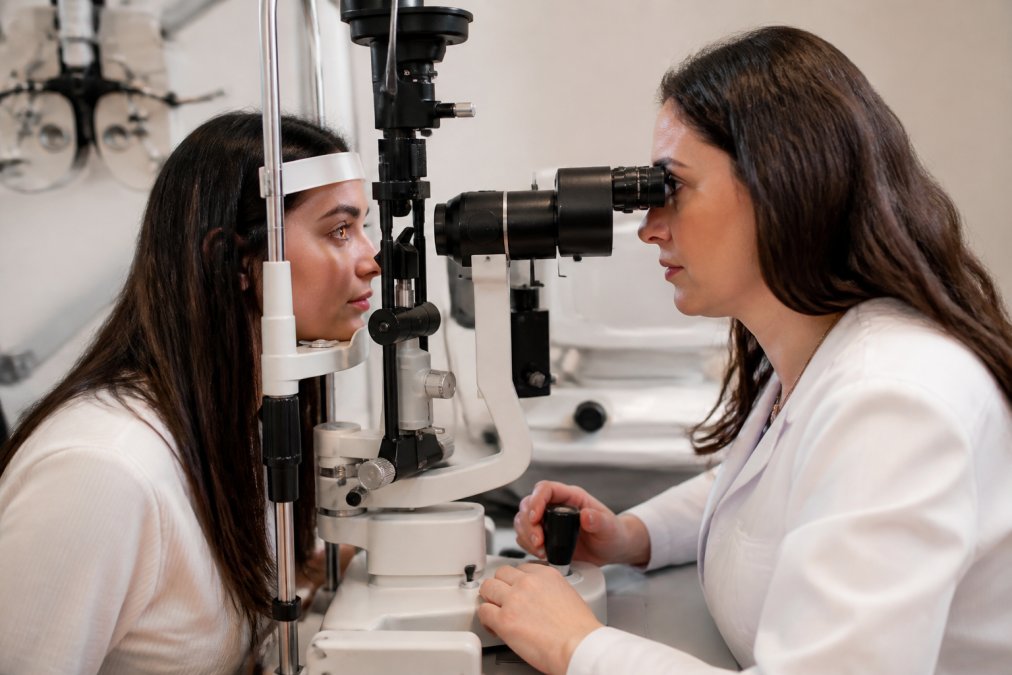
The psychological impact of chronic dry eye deserves acknowledgment. Patients expecting clear vision without glasses sometimes find themselves managing daily discomfort instead. This emotional toll, frustration, regret, anxiety, affects quality of life beyond physical symptoms. Realistic pre-operative counseling about dry eye risk helps patients make informed decisions.
Visual Disturbances: Halos, Glare, and Starbursts
Visual disturbances can significantly affect quality of life, particularly for night driving and low-light activities. Halos, bright rings around light sources, and glare occur because LASIK reshapes the cornea in ways that scatter light. These optical aberrations appear most noticeably at night when pupils dilate, allowing light through the outer edges of the reshaped cornea.
Starbursts, where light sources appear to have radiating spikes, and general glare sensitivity create challenges that glasses never caused. A patient comfortable driving at night before LASIK may struggle with oncoming headlights afterward.
Incidence and severity vary widely. Some patients experience mild halos fading within weeks or months as the cornea heals. Others develop persistent disturbances remaining noticeable years after surgery. Individual healing patterns determine whether disturbances resolve or persist.
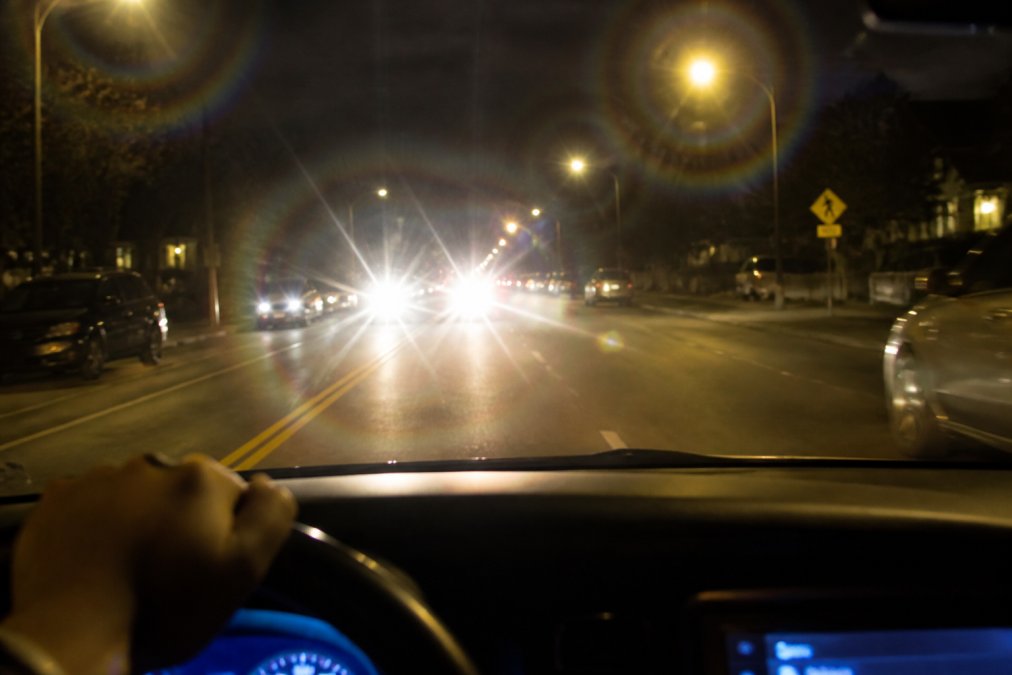
Management options for persistent halos and glare include specialized contact lenses designed to reduce optical aberrations, though these reintroduce the corrective wear LASIK was meant to eliminate. Some patients adapt psychologically to mild disturbances over time, while others find symptoms sufficiently bothersome to pursue secondary procedures.
Under-Correction and Over-Correction Issues
Refractive errors after LASIK fall into two categories: under-correction, where insufficient corneal tissue is removed and the eye retains some original refractive error, and over-correction, where too much tissue is removed and the eye becomes artificially farsighted or myopic in the opposite direction.
Under-correction leaves patients with residual blurred vision, defeating LASIK’s primary goal. A patient seeking freedom from glasses may need reading glasses or distance correction again. While enhancement procedures can address under-correction, they require additional surgery and carry their own risks.
Over-correction creates the opposite problem. A patient treated for myopia might become hyperopic, affecting reading vision and near-distance focus. This refractive error may require glasses for close work, reintroducing the corrective wear the patient sought to eliminate.
Risk depends on surgical precision, individual healing responses, and accurate pre-operative measurements. Corneal thickness plays a critical role; insufficient tissue limits how much reshaping can safely occur. Patients with thin corneas may not be ideal LASIK candidates because the procedure cannot achieve desired correction without compromising corneal integrity.
LASIK Candidacy Requirements and Screening
Not everyone qualifies for LASIK. Age represents a primary consideration; most surgeons recommend LASIK for patients 18 and older, though some prefer waiting until age 21 when the eye has fully matured. Patients over 40 may experience presbyopia, an age-related decline in focusing ability that LASIK cannot address.
Corneal thickness is non-negotiable for LASIK candidacy. The procedure requires sufficient corneal tissue to remove for vision correction while maintaining structural integrity. Pachymetry, measurement of corneal thickness, is essential during screening to determine whether the eye can safely tolerate the procedure.
Refractive error magnitude affects candidacy. LASIK works well for mild to moderate myopia, hyperopia, and astigmatism. Severe refractive errors may exceed what LASIK can safely correct, requiring alternative procedures like implantable contact lenses (ICL) or refractive lens exchange.
Ocular health conditions disqualify many patients from LASIK. Active dry eye syndrome, corneal scarring, keratoconus, and certain retinal conditions make LASIK inappropriate or risky. Uncontrolled diabetes increases complications risk because high blood sugar impairs healing. Autoimmune conditions affecting tear production or corneal health similarly contraindicate LASIK.
Lifestyle and occupational factors influence whether LASIK makes sense despite its downsides. Contact sports athletes face higher risk of corneal flap complications from eye trauma. Patients in dusty or contaminated environments risk post-operative infection. Clear Vision San Antonio conducts comprehensive screening to identify whether LASIK candidacy aligns with individual circumstances and whether the procedure’s risks are acceptable given the patient’s lifestyle and expectations.
Cost for Laser Eye Surgery and Complication Expenses
LASIK’s financial investment varies considerably based on case complexity, technology used, and surgeon experience. Patients should understand that quoted prices often represent base procedure cost, with additional expenses potentially arising from complications or necessary follow-up care.
Complication-related expenses can substantially exceed initial LASIK cost. Under-correction or over-correction requiring enhancement surgery may incur additional charges. Treatment of chronic dry eye syndrome, involving prescription medications, specialized contact lenses, or punctal plug insertion, accumulates costs over months and years. Serious complications like corneal ectasia may require corneal transplantation, an expensive procedure with its own recovery timeline and risks.
Financial burden extends beyond direct medical costs. Time away from work during recovery, transportation to multiple post-operative appointments, and potential need for corrective eyewear if complications develop all represent hidden expenses. Patients should factor these possibilities into their cost-benefit analysis rather than focusing solely on initial procedure price.
Insurance rarely covers LASIK complications, as the procedure itself is elective. Patients bear full financial responsibility for managing adverse outcomes. Some surgeons include a limited number of enhancement procedures in their initial fee, but this varies widely. Understanding what costs are included versus what might require additional payment is essential before committing to LASIK.
LASIK Recovery Timeline and Realistic Expectations
Understanding the LASIK recovery timeline helps distinguish between normal healing and concerning complications. The immediate post-operative period spans the first 24 hours, when vision remains quite blurred and eyes feel significantly irritated.
By day three to five, vision typically improves noticeably, though it remains fluctuating and not yet stable. Light sensitivity usually peaks during this period before gradually diminishing. Most patients return to light activities by the end of the first week.
Weeks two through four bring continued improvement, with most patients achieving functional vision suitable for daily activities by the end of the first month. However, vision may continue improving for three to six months post-operatively. Driving, working on screens, and other visually demanding tasks gradually become more comfortable.
The three-month mark represents a critical checkpoint. By this time, most healing has occurred and the cornea has largely stabilized. Patients with persistent dryness, visual disturbances, or refractive errors at this point are more likely to experience chronic issues rather than continued improvement.
Full stabilization typically occurs by six months post-operatively, though some patients continue slight improvements through the one-year mark. Patients should expect that their final vision outcome may not be apparent for several months.
Long-Term Risks and Vision Changes Over Time
Beyond immediate recovery, LASIK carries longer-term risks. Corneal ectasia, progressive weakening and bulging of the cornea, represents the most serious long-term complication, though it remains relatively rare. Ectasia typically develops within months to a few years after LASIK, causing progressive vision deterioration that may require corneal transplantation.
Vision regression, where refractive error gradually returns over years, affects some patients. The cornea may gradually resume some of its original shape, requiring glasses for optimal vision or necessitating enhancement procedures.
Age-related vision changes continue regardless of LASIK. Presbyopia affects everyone after age 40, even those with perfect distance vision after LASIK. Cataracts, macular degeneration, and glaucoma can develop in LASIK patients just as in the general population. LASIK does not prevent these age-related conditions.
The long-term psychological impact of LASIK complications deserves consideration. Patients experiencing significant visual disturbances, chronic dryness, or vision regression years after surgery sometimes experience regret or anxiety about their initial decision.
Reversibility of LASIK is limited. While some complications can be addressed with secondary procedures, the corneal reshaping itself is permanent. Patients cannot simply return to their pre-LASIK state if dissatisfied with results.
The decision to pursue LASIK requires honest assessment of both its benefits and downsides. While many patients achieve excellent results and report high satisfaction, others experience complications affecting their quality of life. Dry eye syndrome, visual disturbances, refractive errors, and other potential complications deserve serious consideration during the decision-making process. At Clear Vision San Antonio, our experienced ophthalmologists conduct thorough screening to identify whether LASIK is appropriate for your individual circumstances, discussing both realistic benefits and potential risks so you can make an informed choice about your vision correction options. Request an appointment to discuss whether LASIK aligns with your vision goals and lifestyle needs.
Frequently Asked Questions
What are the most common side effects after LASIK surgery?
The most frequently reported side effects include dry eye syndrome, temporary blurred vision, and visual disturbances like halos and glare around lights. These typically appear in the first few weeks after surgery. Most side effects diminish during the recovery period, though some patients experience persistent dry eye or light sensitivity. Discussing your individual risk factors with an ophthalmologist during your screening helps set realistic expectations based on your corneal thickness, refractive error, and eye health.
Can LASIK cause problems later in life?
While most LASIK complications occur within the first few months, some changes can develop years later. Vision can gradually shift due to natural aging, presbyopia (age-related focusing difficulty), or continued refractive changes. Corneal flap healing is typically complete within months, but long-term studies show that a small percentage of patients experience vision deterioration or require secondary procedures. Regular eye exams help monitor your vision and catch any changes early.
How does the LASIK recovery timeline affect my daily life?
Most patients see improved vision within 24 hours, but the full recovery period extends 3 to 6 months as the corneal tissue continues to heal and stabilize. During the first week, you should avoid strenuous activity, swimming, and dusty environments. Many people return to work within days, though vision may fluctuate slightly during early recovery. Your ophthalmologist will provide specific restrictions based on your healing progress and occupation.
Who is not a good candidate for LASIK surgery?
LASIK candidacy requirements exclude patients with thin corneas, unstable refractive errors, severe dry eye, autoimmune conditions, or certain corneal diseases. Pregnant or nursing women are typically advised to wait. Those with high refractive errors or very thick glasses may benefit more from alternative procedures like ICL. A comprehensive screening by your eye doctor determines whether LASIK is appropriate for your specific situation and whether other vision correction options might be safer.
This article was written using GrandRanker