

Table of Contents
- Is LASIK Permanent? What the Research Shows
- The Healing and Stabilization Timeline After LASIK
- What Happens to Your Vision 5, 10, and 20 Years After LASIK
- Presbyopia After LASIK: How Natural Aging Affects Your Correction
- LASIK Enhancement Surgery: When and Why You Might Need a Touch-Up
- Factors That Affect How Long Your LASIK Results Last
- Long-Term Success Rates and Patient Satisfaction
- Conclusion
Last Updated: August 12, 2026
Is LASIK Permanent? What the Research Shows
LASIK results are stable for most patients over decades, but they aren’t permanent in the absolute sense. Your vision may change over time due to natural aging, lifestyle factors, or other eye conditions, not because the LASIK procedure itself failed. At Clear Vision San Antonio, we help patients understand that LASIK is a long-term solution. The corneal tissue reshaped by the excimer laser remains stable, but your eyes continue to age. Presbyopia, the natural hardening of the eye’s lens, eventually requires reading glasses or bifocals, even for patients with perfect distance vision after LASIK.
The distinction matters: LASIK corrects your refractive error at the time of surgery, and that correction lasts. What changes is your overall visual needs as you age. Understanding this difference helps you make an informed decision about whether LASIK is right for you.
LASIK results are stable and long-lasting for most patients. The procedure corrects your refractive error permanently, but natural aging and presbyopia may eventually affect your reading vision or require enhancement procedures.
The Healing and Stabilization Timeline After LASIK
Your vision stabilizes gradually after LASIK. Most patients notice significant improvement within 24 hours, but complete stabilization takes longer.
Immediate recovery (first week): Your corneal flap heals quickly. Most patients achieve 20/40 vision or better within 24 hours, good enough to drive safely in many states. Vision may fluctuate during the first few days as the cornea reshapes and fluid redistributes. Dryness, light sensitivity, and mild discomfort are normal.
First month: By week two, most patients notice steady improvement. Your eyes produce fewer tears during this period, contributing to temporary dry eye. Clear Vision San Antonio recommends using prescribed lubricating drops and avoiding strenuous activities. By month’s end, many patients achieve their target vision.
Three to six months: Your vision truly stabilizes during this period. The corneal tissue completes remodeling, and minor fluctuations resolve. This is when you and your eye doctor can assess whether an enhancement procedure is necessary.
Six months onward: Your vision remains stable. The corneal flap fully integrates, and your eye has adapted to its new shape. Most patients maintain their post-operative vision for years.
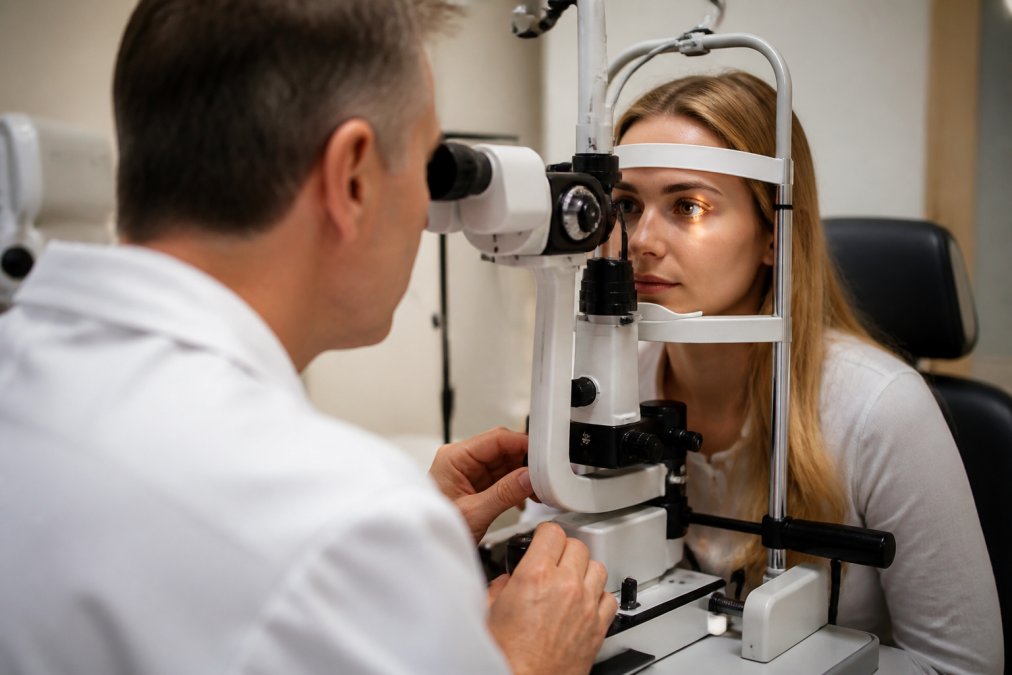
Stabilization happens gradually, not overnight. Many patients become frustrated with minor fluctuations in the first month and assume something went wrong. In reality, this is normal healing.
:::pro-tip
Avoid rubbing your eyes aggressively during the first month after LASIK. The corneal flap is still integrating, and trauma during this period can cause complications. Use prescribed eye drops instead of touching your eyes.
:::
What Happens to Your Vision 5, 10, and 20 Years After LASIK
Long-term vision stability after LASIK is well-documented. Most patients maintain excellent distance visual acuity for decades.
Five years after LASIK: The vast majority of patients report stable, clear distance vision. Studies show that most people who had LASIK five years ago see as well as they did one year after surgery. Regression is minimal in most cases, usually small enough that it doesn’t affect daily function.
Ten years after LASIK: Distance vision remains stable for most patients a decade after surgery. However, presbyopia becomes noticeable. If you were 40 at surgery, you’re now 50, and your eye’s lens has continued to harden. Reading small print becomes difficult, though your distance vision remains excellent. This isn’t a failure of LASIK; it’s the natural aging process that affects everyone.
Twenty years after LASIK: Your distance vision correction from LASIK remains intact. Presbyopia is pronounced, and you likely wear reading glasses or bifocals for near vision. Some patients develop early cataracts by this age, a separate age-related condition unrelated to LASIK. The refractive surgery itself hasn’t caused these changes; they’re part of normal aging.
LASIK doesn’t accelerate natural aging or cause premature vision loss. Your distance vision correction persists, and the changes you experience are the same ones you’d encounter whether or not you had LASIK.
Presbyopia After LASIK: How Natural Aging Affects Your Correction
Presbyopia is the most common reason LASIK patients eventually need reading glasses.
What presbyopia is: Presbyopia occurs when the eye’s lens gradually loses flexibility with age. The lens can no longer change shape to focus on near objects. This process begins around age 40 and progresses throughout your life. Everyone experiences it, whether they’ve had LASIK or not.
How it affects LASIK patients: If you had LASIK to correct myopia, you had excellent near vision before surgery. After LASIK, your distance vision improves, but you lose that near-vision advantage. As presbyopia develops, you’ll need reading glasses for close work. If you had LASIK to correct hyperopia, you may experience presbyopia effects earlier or more noticeably.
Monovision as a solution: Some patients choose monovision LASIK, where one eye is corrected for distance and the other for near vision. This reduces dependence on reading glasses but requires your brain to adapt and can affect depth perception.
Planning ahead: At Clear Vision San Antonio, we discuss presbyopia openly during consultations. If you’re in your 40s considering LASIK, understand that reading glasses will likely be part of your future. Many patients find trading glasses for distance driving in favor of glasses for reading worthwhile.
If you’re considering [LASIK in your late 40s or 50s](/is-laser-eye-surgery-worth-it-for-over-50-a-complete-guide/), discuss presbyopia management strategies with your eye doctor before surgery. Monovision, multifocal implants, or other approaches may be better suited to your lifestyle than standard distance-corrected LASIK.
LASIK Enhancement Surgery: When and Why You Might Need a Touch-Up
Despite the stability of LASIK results, some patients benefit from an enhancement procedure.
Why enhancement is sometimes needed: Regression occurs when the cornea gradually returns partially to its original shape. For most patients, this is minimal, less than 0.5 diopters over 10 years. However, some patients experience more significant regression, particularly those with high myopia or astigmatism. If your original prescription was very strong, an enhancement improves the result.
LASIK enhancement surgery is a repeat procedure that further reshapes the cornea. The process is similar to the original surgery, though the surgeon works with less corneal tissue. Enhancement procedures are generally safe and effective.
Timing considerations: Most surgeons wait at least 3-6 months after the initial procedure before performing an enhancement. Some patients never need an enhancement. By 5-10 years post-LASIK, if you haven’t needed one, you likely won’t unless new visual changes occur.
Financial implications: Enhancement procedures typically cost less than initial LASIK. Discuss enhancement coverage during your consultation.
Limitations of enhancement: Your cornea has finite tissue available for reshaping. If you need significant additional correction after LASIK, an enhancement may not be possible. Implantable contact lenses (ICL) or refractive lens exchange may be better options.
Factors That Affect How Long Your LASIK Results Last
Several factors influence how stable your LASIK correction remains over time.
Your original prescription: Patients with mild myopia typically experience the most stable results. Those with high myopia, hyperopia, or astigmatism have slightly higher regression rates, though the difference is usually clinically insignificant.
Age at surgery: Younger patients have corneas that continue to change slightly as they mature. Surgeons generally recommend waiting until age 18-21 before LASIK. Patients who have LASIK in their 20s and 30s typically enjoy decades of stable vision.
Corneal tissue quality: Some people have thinner corneas or other structural variations that affect long-term stability. Advanced imaging allows surgeons to assess your corneal characteristics before surgery.
Lifestyle and eye health: Chronic dry eye can affect visual quality. UV exposure without protection may accelerate age-related changes. Certain systemic conditions like diabetes or rheumatoid arthritis can affect healing and stability. Clear Vision San Antonio evaluates your overall eye health and medical history.
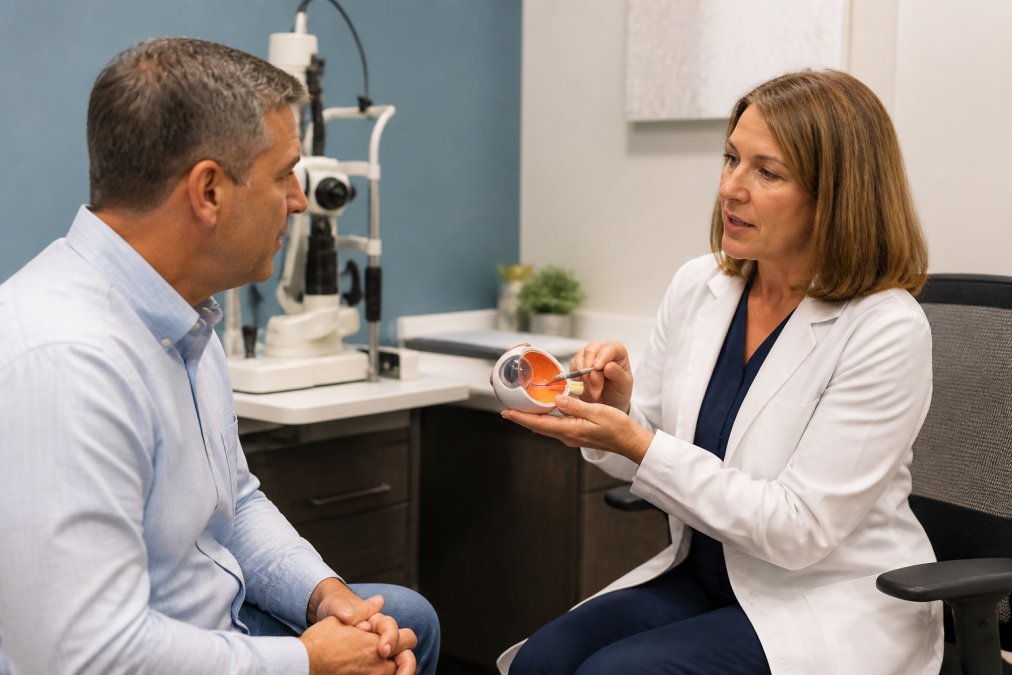
Post-operative care: Following your surgeon’s post-operative instructions reduces complications and supports optimal healing. Using prescribed drops, protecting your eyes from trauma, and attending follow-up appointments all contribute to long-term success.
:::pro-tip
If you have diabetes or hypertension, inform your LASIK surgeon. These conditions require specialized monitoring, and Clear Vision San Antonio has experience managing diabetic patients. Stable blood sugar and blood pressure support better healing and long-term outcomes.
:::
Long-Term Success Rates and Patient Satisfaction
Patient satisfaction with LASIK remains high over decades, reflecting the procedure’s long-term effectiveness.
Defining success: Success typically means achieving 20/40 vision or better or within one diopter of your target prescription. By this standard, LASIK success rates exceed 95% for initial procedures. When enhancement procedures are included, success rates approach 98-99%.
Patient-reported outcomes: Most LASIK patients report high satisfaction years after surgery. They value the freedom from glasses and contacts and the convenience of clear distance vision. Long-term studies show that satisfaction remains stable over 10-20 years.
Visual quality considerations: A small percentage of patients report visual side effects like halos around lights at night or reduced contrast sensitivity in dim lighting. These effects are usually mild and improve over time. Most patients adapt well and consider the trade-off acceptable.
Comparison with other procedures: LASIK’s long-term stability compares favorably to other refractive surgeries. Photorefractive keratectomy (PRK) produces similar results but involves a longer healing period. Implantable contact lenses (ICL) offer an alternative for patients with high prescriptions or thin corneas. Each procedure has distinct advantages and limitations.
Age and satisfaction: Younger patients report higher satisfaction because they enjoy decades of clear vision. Patients who have LASIK in their 40s or later report good satisfaction with distance vision but acknowledge that presbyopia eventually requires reading glasses.
Conclusion
The corneal reshaping performed during LASIK is permanent and stable for most patients over 20+ years. Your distance vision correction endures. What changes is your overall visual needs as you age, presbyopia develops, and other age-related eye conditions may emerge.
At Clear Vision San Antonio, we help patients understand this distinction before surgery. LASIK offers decades of clear distance vision, reducing dependence on glasses for most activities. If you’re considering LASIK or want to discuss how your vision may change over time, request an appointment with our team to explore whether this procedure is right for you.
Frequently Asked Questions
Is LASIK correction permanent, or does it wear off over time?
LASIK correction is designed to be permanent. The corneal tissue reshaped during the procedure does not revert to its original shape. However, your vision may change due to natural aging processes, particularly presbyopia (difficulty focusing on near objects) after age 40. Most patients maintain their LASIK results for 20+ years without needing additional surgery.
What happens to your vision 10 years after LASIK?
Most patients experience stable distance vision 10 years after LASIK. However, presbyopia typically becomes noticeable around age 40-50, making reading and close-up tasks more difficult. Some patients may experience minor regression in their refractive correction, though this is usually minimal. Regular eye exams help monitor any changes and determine if an enhancement procedure is needed.
Can you get LASIK enhancement surgery if your vision changes after the procedure?
Yes, LASIK enhancement surgery is possible if your vision regresses or changes over time. Enhancement procedures can address new refractive errors or presbyopia after LASIK. Your ophthalmologist will evaluate whether your cornea has sufficient tissue remaining and whether you're a good candidate for a touch-up procedure. Most patients who need enhancements achieve excellent results.
What is the long-term success rate of LASIK?
Clinical studies show that 90-95% of LASIK patients achieve their desired vision correction and maintain stable results over many years. Patient satisfaction remains high long-term, with most people reporting they would choose LASIK again. Success depends on factors like age at surgery, baseline refractive error, corneal tissue quality, and post-operative care compliance.
This article was written using GrandRanker