

Table of Contents
- Understanding Chronic Dry Eye Syndrome
- Symptoms and When to Seek Professional Care
- Lifestyle Changes for Dry Eye Relief
- Best OTC Eye Drops for Dry Eyes
- Prescription Dry Eye Medication and Anti-Inflammatory Options
- Advanced In-Office Procedures for Chronic Dry Eye
- Conclusion
Last Updated: August 17, 2026
Understanding Chronic Dry Eye Syndrome
Chronic dry eye occurs when your eyes don’t produce enough tears or tears evaporate too quickly, leaving the ocular surface irritated. The tear film has three layers: an oily layer from meibomian glands, a watery layer from lacrimal glands, and a mucus layer. When any layer fails, dry eye develops. Some people experience aqueous deficiency (insufficient tear production), while others have evaporative dry eye (tears disappear too fast due to inadequate oil).
Chronic dry eye differs from occasional dryness. Persistent discomfort lasting weeks or months requires ongoing management. Without proper care, the condition tends to worsen over time.
At Clear Vision San Antonio, we recognize that chronic dry eye treatment requires a personalized approach. Understanding your specific type of dry eye is the first step toward effective relief.
The severity of your dry eye doesn’t always match how uncomfortable you feel. Some patients with mild tear production loss experience intense symptoms, while others with significant deficiency may feel relatively little discomfort. This disconnect happens because nerve sensitivity varies from person to person.
Symptoms and When to Seek Professional Care
Common dry eye symptoms include a gritty or sandy sensation, burning, redness, and paradoxically, excessive tearing as a reflex response to irritation. Many people report blurred vision that improves with blinking, light sensitivity, and difficulty wearing contact lenses. Some experience stringy discharge or feel like something is stuck in their eye. Symptoms often worsen in heated indoor spaces, air-conditioned rooms, or windy conditions where tear evaporation accelerates.
Seek professional care if symptoms persist for more than a few weeks despite home remedies, interfere with daily activities, or if you have a history of autoimmune conditions like Sjögren’s syndrome, rheumatoid arthritis, or lupus, which increase dry eye risk significantly. Schedule an appointment if you experience sudden vision changes, severe pain, or discharge suggesting infection.
Ignoring chronic dry eye can lead to corneal damage. Prolonged dryness compromises the corneal surface, risking scarring and permanent vision loss. Early intervention prevents these serious complications.
Lifestyle Changes for Dry Eye Relief
Lifestyle modifications form the foundation of chronic dry eye management. A structured approach combining eyelid hygiene, ergonomic adjustment, dietary intervention, and environmental control often produces measurable improvement within 2-4 weeks when applied consistently.
Eyelid hygiene and warm compress protocol. Meibomian gland dysfunction accounts for roughly 80% of chronic dry eye cases. Apply a clean, warm (110-115°F) compress to closed eyelids for 10-15 minutes daily, ideally in the morning. Immediately after, perform gentle eyelid massage: using your index finger, massage the upper lid in downward strokes and the lower lid in upward strokes for 30-60 seconds on each side. This combination is more effective than either alone. For best results, repeat twice daily during the first 4 weeks, then once daily for maintenance.
Screen time and ergonomic management. Digital eye strain worsens dry eye through reduced blink rate (screen users blink 66% less than normal) and increased tear evaporation. Implement the 20-20-20 rule: every 20 minutes, shift gaze to an object 20 feet away for 20 seconds. Position your monitor 20-26 inches from your eyes and slightly below eye-level. If you work on screens 6+ hours daily, consider blue-light filtering glasses. Limit recreational screen use in evenings to improve overnight tear film stability.
Nutritional intervention: omega-3 and hydration. Omega-3 fatty acids (EPA and DHA) reduce meibomian gland inflammation and improve lipid secretion quality. Dietary sources include fatty fish (salmon, sardines, mackerel, aim for 2-3 servings weekly), flaxseeds (1 tablespoon daily), chia seeds, and walnuts. Alternatively, fish oil supplements (1000-2000 mg daily of combined EPA/DHA) provide consistent dosing. Aim for adequate daily water intake (roughly half your body weight in ounces), and avoid excessive caffeine and alcohol. The combination of omega-3 supplementation plus consistent warm compress therapy produces synergistic results.
Environmental humidity and climate control. Tear evaporation accelerates in dry, heated, or air-conditioned spaces. Indoor humidity below 30% significantly worsens symptoms; aim for 40-50%. Use a humidifier in your bedroom and workspace, especially during winter or in arid climates. Avoid direct air flow from heating vents, air conditioning, or fans. Wearing wraparound sunglasses outdoors reduces wind exposure and tear evaporation.
Realistic expectations and adherence. The most common reason lifestyle interventions fail is inconsistency. Many patients see meaningful relief within 3-4 weeks of combined lifestyle changes, but some require 8-12 weeks for full benefit. If symptoms have not improved after 6 weeks of strict adherence, prescription medications or in-office procedures become appropriate next steps.

Lifestyle changes work best when applied as an integrated system. Warm compresses alone, or screen breaks alone, produce modest results; the combination of eyelid hygiene, ergonomic adjustment, omega-3 supplementation, and environmental control creates cumulative benefit. Track your symptoms weekly to identify which interventions matter most for your dry eye type.
Best OTC Eye Drops for Dry Eyes
Over-the-counter artificial tears are the first-line treatment for most dry eye patients. Understanding drop composition and matching formulation to your specific tear film deficiency dramatically improves outcomes.
Matching drop type to tear film deficiency. For aqueous-deficient dry eye, rewetting drops that mimic natural tear composition work best. For evaporative dry eye, lubricating drops with higher viscosity and lipid-containing formulations provide longer-lasting protection. If drops provide relief for 2+ hours, your primary problem is evaporation and you benefit from thicker lubricating formulations. Many patients find that alternating drop types throughout the day, rewetting drops during work hours, lubricating drops at night, optimizes comfort.
Preservative-free versus preserved formulations. Preservatives prevent bacterial contamination but can irritate sensitive eyes with repeated application. If you use drops more than four times daily, preservative-free formulations are superior. Preservative-free drops come in single-use vials, allowing unlimited daily use without concern. However, they cost significantly more per dose, roughly 3-5 times the price of preserved drops. For mild dry eye requiring drops only 1-2 times daily, preserved drops are cost-effective and safe.
Viscosity and timing considerations. Thin, aqueous drops provide quick relief and clear vision immediately but wash away within 15-30 minutes. Thicker gel or ointment formulations blur vision for 2-5 minutes after application but provide 2-4 hours of lubrication. For daytime use during work or driving, thin drops are preferable. For nighttime use, thicker formulations excel. Some patients use thin drops during the day and switch to a thicker gel at bedtime.
Hyaluronic acid and advanced formulations. Newer OTC drops containing hyaluronic acid provide longer-lasting lubrication than basic saline drops. These formulations typically cost 20-40% more but provide superior comfort for many patients with moderate dry eye. If standard artificial tears provide only 30-60 minutes of relief, upgrading to hyaluronic acid formulations often extends comfort to 2+ hours.
When to abandon OTC drops and escalate care. The critical threshold is 4-6 weeks of consistent, appropriate drop use without meaningful symptom improvement. If you’ve selected the correct drop type and used it as directed for 6 weeks without relief, OTC therapy alone is insufficient. Prescription anti-inflammatory medications or in-office procedures become necessary. Continuing to increase drop frequency beyond 6-8 times daily is counterproductive. If you find yourself using drops more than 8 times daily without sustained relief, schedule an appointment with an eye care professional.
Some OTC drops marketed for “redness relief” contain vasoconstrictors that temporarily shrink blood vessels but worsen dry eye over time. Avoid drops containing tetrahydrozoline or phenylephrine if you have chronic dry eye.
The best OTC drop is one matched to your tear film deficiency type and used consistently for at least 4 weeks before evaluating effectiveness. If drops alone don’t resolve symptoms after 6 weeks, prescription therapy or procedures are the appropriate next step.
Prescription Dry Eye Medication and Anti-Inflammatory Options
When OTC drops fail to provide adequate relief, prescription medications address the underlying inflammation and tear production issues that over-the-counter products cannot.
Anti-inflammatory medications target the root cause. Chronic dry eye involves inflammation of the ocular surface and meibomian glands. Prescription eye drops containing corticosteroids or cyclosporine reduce this inflammation, allowing glands to function more effectively. Cyclosporine works by suppressing the inflammatory response that damages tear-producing glands. Results typically emerge after two to three months of consistent use. Corticosteroid drops provide faster anti-inflammatory effects but aren’t suitable for long-term use due to potential side effects.
Oral medications address systemic causes. Certain oral medications improve tear production or reduce inflammation systemically. These work particularly well for patients with autoimmune conditions contributing to dry eye.
Nasal sprays represent an emerging option. Recently developed nasal sprays stimulate tear production through a different mechanism than traditional eye drops. These medications may benefit patients who haven’t responded adequately to conventional treatments.
Prescription dry eye medication requires professional monitoring. Your eye care provider needs to assess whether treatment is working and adjust therapy accordingly.
Advanced In-Office Procedures for Chronic Dry Eye
When medications and lifestyle changes provide insufficient relief, advanced procedures address structural or functional problems directly.
Intense pulsed light (IPL) therapy treats meibomian gland dysfunction. This procedure uses controlled light pulses to heat the meibomian glands and surrounding tissue, improving gland function and reducing inflammation. Many patients experience significant symptom improvement after a series of IPL treatments. The procedure takes about 15-20 minutes and requires no downtime.
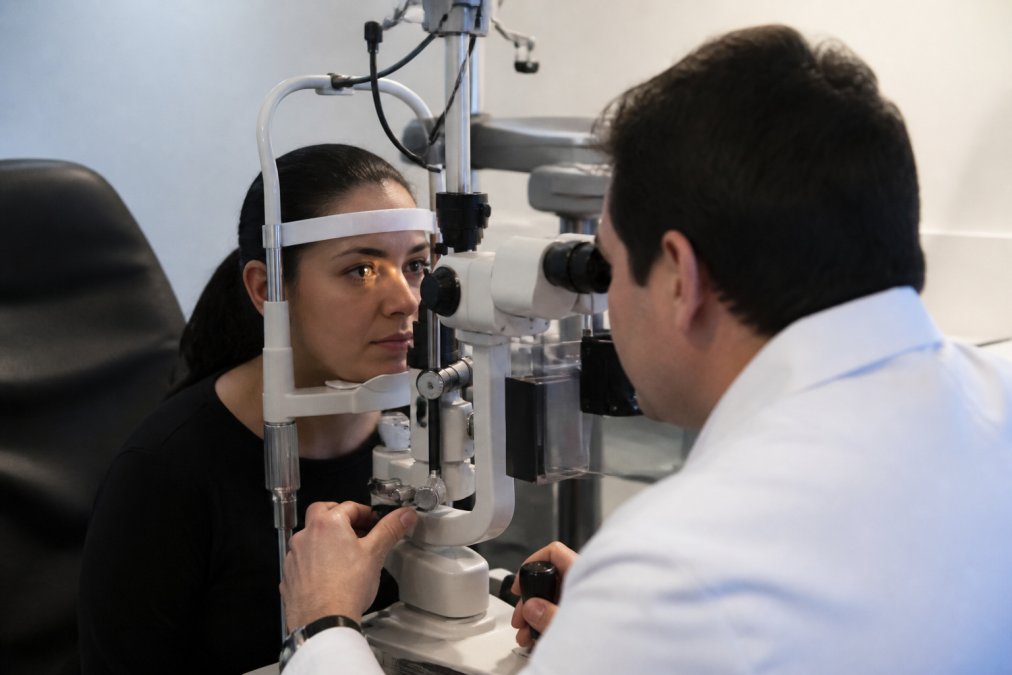
Punctal plugs physically reduce tear drainage. Inserting tiny plugs into the drainage channels at the inner corners of your eyes keeps tears on your eye longer, improving lubrication. Plugs are removable, making this a reversible treatment. Many patients find that plugs provide immediate, noticeable relief.
Meibomian gland expression clears blocked glands. This in-office procedure applies gentle pressure to the eyelids, expressing thickened oil from blocked meibomian glands. Combined with warm compresses at home, regular expression can restore gland function.
Thermal cautery permanently closes drainage points. For patients who benefit from punctal plugs but prefer a permanent solution, thermal cautery seals the drainage openings. This procedure is irreversible, so it’s typically reserved for cases where punctal plugs have proven beneficial.
Corneal cross-linking strengthens the corneal surface in severe cases where dry eye has caused structural damage, improving stability and reducing symptoms in advanced dry eye disease.
The choice between these procedures depends on your specific dry eye mechanism and severity. At Clear Vision San Antonio, we evaluate each patient thoroughly to determine which procedure, or combination of procedures, offers the best outcome.
Chronic dry eye treatment requires a systematic approach that identifies your specific dry eye type and addresses its underlying cause. Starting with lifestyle modifications and OTC drops, progressing to prescription medications when needed, and considering advanced procedures for persistent cases gives you the best chance at sustained relief.
If you’ve struggled with dry eye despite trying various treatments, professional evaluation can reveal what’s been missed. Clear Vision San Antonio specializes in comprehensive dry eye management, combining diagnostic expertise with access to advanced treatment options. Our ophthalmologists take time to understand your symptoms, identify the root cause, and build a personalized treatment plan tailored to your needs. Request an appointment to begin your path toward clearer, more comfortable vision.
Frequently Asked Questions
What is the best long-term treatment for chronic dry eye?
The best long-term treatment depends on the underlying cause and severity. For many patients, a combination approach works best: addressing meibomian gland dysfunction with warm compresses and lid hygiene, using preservative-free artificial tears, and managing inflammation with prescription medications like cyclosporine or lifitegrast. More severe cases may benefit from in-office procedures such as intense pulsed light (IPL) therapy or punctal plugs. An ophthalmologist can evaluate your tear film stability and ocular surface disease to recommend a personalized plan.
Are there permanent cures for chronic dry eye?
Chronic dry eye is typically a long-term condition requiring ongoing management rather than a permanent cure. However, many treatments can significantly reduce symptoms and improve tear production or reduce tear evaporation. Some patients experience substantial improvement with consistent use of lifestyle modifications, prescription medications, and procedures like IPL therapy. The goal of clinical management is to control inflammation, stabilize the tear film, and prevent corneal damage. Regular monitoring with your eye care provider helps adjust treatment as your condition evolves.
When should I see an ophthalmologist for dry eye symptoms?
You should schedule an appointment with an ophthalmologist if you experience persistent dry eye symptoms lasting more than a few weeks, if over-the-counter drops provide no relief, or if your symptoms interfere with daily activities like reading or screen time. Seek immediate care if you notice redness, pain, light sensitivity, or blurred vision, these may indicate corneal involvement. An ophthalmologist can assess tear osmolarity, evaluate meibomian gland function, and determine whether you have evaporative dry eye, aqueous deficiency, or both, allowing for targeted treatment.
What are the most effective OTC eye drops for dry eyes?
Preservative-free artificial tears are generally most effective for chronic dry eye because they avoid irritation from preservatives. Look for drops that support tear film stability and lubrication without causing rebound dryness. Some patients benefit from gel or ointment formulations for longer-lasting relief, especially at night. The best choice depends on your tear composition and symptom pattern. If over-the-counter options don't help after consistent use, prescription medications like cyclosporine or lifitegrast address underlying inflammation and can improve tear production more effectively than artificial tears alone.
This article was written using GrandRanker