
Table of Contents
- Who Is Dr. Sepulveda
- Medical Education and Board Certification
- Clinical Specialties and Expertise
- LASIK Surgery Consultation and Vision Correction
- Cataract Surgery Recovery Time and Outcomes
- Advanced Lens Implants Options for Clear Vision
- Patient-Centered Care Philosophy
- Scheduling Your Consultation
Last Updated: August 24, 2026
Who Is Dr. Sepulveda
Dr. Sepulveda is an accomplished ophthalmologist at Clear Vision San Antonio who combines advanced medical technology with personalized attention to address the full spectrum of vision needs, from routine eye exams to complex surgical interventions. With expertise spanning LASIK, cataract surgery, and advanced lens implant options, Dr. Sepulveda helps patients achieve clear vision for life.
Dr. Sepulveda’s clinical philosophy centers on understanding each patient’s unique visual goals and lifestyle requirements before recommending treatment. Rather than applying a one-size-fits-all methodology, he takes time during consultations to explore patient concerns, explain options in clear language, and address specific objections about procedures. This approach ensures that treatment plans align with actual patient needs, whether for preventative care monitoring or vision correction.
Medical Education and Board Certification
Board certification in ophthalmology requires rigorous training, examination, and demonstrated clinical expertise. Dr. Sepulveda’s board certification reflects completion of accredited medical education, specialized residency training in ophthalmology, and successful passage of comprehensive board examinations assessing clinical knowledge and decision-making ability.
After earning a medical degree, physicians pursuing ophthalmology complete a residency program focused on eye care, surgical techniques, and diagnosis and management of ocular diseases. During residency, physicians develop hands-on surgical skills under supervision of experienced surgeons, gradually taking on greater responsibility as competence increases.
Board certification through the American Board of Ophthalmology requires passing written and oral examinations testing both theoretical knowledge and practical clinical judgment. These exams assess a physician’s ability to diagnose conditions accurately, select appropriate treatments, manage complications, and communicate effectively with patients.
Dr. Sepulveda’s commitment to continuing medical education extends beyond initial certification. Ongoing professional development ensures clinical knowledge remains current with the latest advances in surgical techniques, diagnostic technology, and treatment protocols, directly benefiting patients who gain access to evidence-based care informed by recent research and clinical innovations.
Clinical Specialties and Expertise
Dr. Sepulveda’s clinical expertise spans the full breadth of ophthalmology, combining medical management skills for chronic eye conditions with advanced surgical expertise to handle everything from preventative care to complex surgical cases.
Cataract management represents one of the most frequent procedures in the practice. Cataracts develop when the lens becomes cloudy, typically from aging but sometimes accelerated by diabetes, hypertension, or sun exposure (nei.nih.gov). Dr. Sepulveda evaluates cataract progression carefully, helping patients understand when surgery becomes beneficial. Modern surgical techniques allow intervention at earlier stages when visual symptoms begin affecting daily life, rather than waiting for cataracts to become "ripe."
LASIK surgery represents another significant area of clinical focus. For patients who have worn glasses for decades, LASIK offers the possibility of reducing or eliminating glasses dependence. Modern LASIK technology uses wavefront-guided procedures that map the eye’s unique optical characteristics and customize laser treatment accordingly. While some patients experience mild halos or glare in the immediate postoperative period, these typically resolve within weeks as the cornea heals and the brain adapts to new visual input.
Refractive lens exchange represents an alternative for patients with significant refractive error or early cataracts who want both vision correction and cataract prevention. This procedure replaces the eye’s natural lens with an advanced implant, offering the opportunity to correct refractive error while addressing presbyopia, the age-related difficulty focusing at near distances.
Diabetic eye disease management requires specialized knowledge and careful monitoring protocols. Patients with diabetes face elevated risk for diabetic retinopathy, diabetic macular edema, and accelerated cataract development (the CDC). Dr. Sepulveda’s approach emphasizes regular monitoring, early detection of complications, and coordinated care with the patient’s primary care physician and endocrinologist.
LASIK Surgery Consultation and Vision Correction
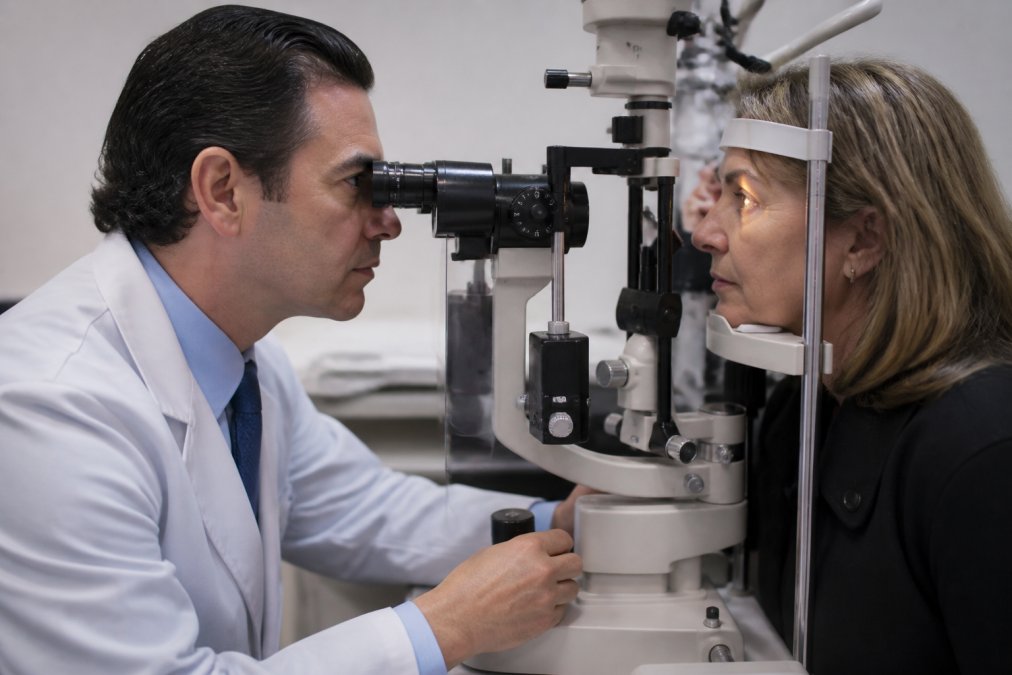
A LASIK consultation begins with comprehensive testing to determine whether a patient is a suitable candidate. The evaluation includes measurement of corneal thickness, corneal topography mapping, refractive error quantification, and assessment of tear film quality.
During the consultation, Dr. Sepulveda discusses realistic expectations for vision after LASIK. Most patients achieve 20/20 vision or better, though outcomes vary based on the magnitude of refractive error and individual healing patterns (the FDA). Patients with very high myopia, hyperopia, or astigmatism may achieve excellent vision but might not reach 20/20.
The halos and glare question warrants direct discussion as the most common patient concern about LASIK. These visual phenomena occur when light scatters at the edge of the laser-treated zone, particularly noticeable at night. Modern LASIK techniques minimize this risk through larger treatment zones and personalized wavefront-guided corrections. Most patients who experience halos find them mild and temporary, resolving within weeks to a few months as healing progresses.
The timeline for vision recovery after LASIK typically shows rapid improvement in the first week, with continued refinement over following weeks and months. Most patients achieve functional vision within 24-48 hours, though optimal vision may take 3-6 months to fully stabilize. During healing, protective eyedrops and avoiding eye trauma are essential. Patients can generally resume most normal activities within a few days, though contact sports and water exposure require caution for several weeks.
Cataract Surgery Recovery Time and Outcomes
Cataract surgery recovery follows a predictable timeline, though individual variation exists based on overall eye health, cataract complexity, and any concurrent eye conditions.
The immediate postoperative period spans the first 24 hours after surgery. Vision is typically quite blurry as inflammation and anesthesia wear off. Most patients notice significant vision improvement by the following day. During this initial period, protective eyedrops are essential, and patients must avoid rubbing the eye or allowing water to contact the surgical site.
The first week after cataract surgery represents the period of most rapid visual improvement. By week’s end, many patients notice substantially clearer vision, though improvement continues gradually over following weeks. Reading, watching television, and light household tasks are generally safe. More strenuous activities, heavy lifting, and contact sports should wait until cleared by Dr. Sepulveda, typically 2-4 weeks after surgery.
The full recovery timeline extends 4-6 weeks, during which the eye continues healing and vision stabilizes. Final refraction typically occurs 4-6 weeks after surgery, allowing prescription finalization if glasses are needed.
Outcomes after cataract surgery are generally excellent, with most patients achieving significant vision improvement. The specific visual outcome depends on the type of lens implant selected. Standard monofocal implants provide clear distance vision but require reading glasses for near work. Premium implants like multifocal or accommodating lenses offer the possibility of clear vision at multiple distances, though they carry higher cost and a small risk of visual side effects like halos or reduced contrast sensitivity in low light.
Complications after cataract surgery are uncommon but can occur. Posterior capsule opacification, a clouding of the membrane behind the lens implant, develops in some patients months or years after surgery and is easily treated with a brief laser procedure. Infection, while rare with modern surgical techniques, represents a more serious potential complication. Retinal detachment and other intraocular complications are also rare but possible, particularly in patients with certain risk factors.
Advanced Lens Implants Options for Clear Vision
The lens implant selected during cataract surgery has profound implications for postoperative vision and lifestyle.
Standard monofocal implants provide excellent distance vision and are designed to focus light sharply at a single distance, typically set for distance vision. Patients require reading glasses for near tasks but benefit from proven track record, minimal side effects, and lower cost.
Multifocal implants offer the possibility of functional vision at multiple distances, far, intermediate, and near, without reliance on glasses. These implants use different zones within the lens to focus light at multiple distances simultaneously. Most patients achieve good functional vision at all distances, though some experience trade-offs in contrast sensitivity, particularly in low-light conditions. A small percentage notice halos or glare around lights at night, though these effects typically diminish over time.
Accommodating implants move slightly within the eye to change focus at different distances, similar to how the natural lens functions. These implants provide good distance vision and reasonable near vision without the contrast sensitivity issues associated with multifocal designs, representing a middle ground between monofocal and multifocal options.
Toric implants address astigmatism, a condition where the cornea or lens has irregular shape causing blurred vision at all distances. Toric implants are designed specifically to correct astigmatism and are available in monofocal, multifocal, and accommodating designs.
The choice among these options depends on the patient’s refractive error and astigmatism, visual priorities and lifestyle, budget considerations, and tolerance for potential visual side effects. Clear Vision San Antonio takes time during consultation to understand these priorities and discuss how different implant options align with specific patient needs.
Patient-Centered Care Philosophy
Dr. Sepulveda’s approach to patient care emphasizes understanding the patient’s perspective, addressing concerns honestly, and partnering with patients to achieve their vision goals. Medical decision-making involves values, lifestyle priorities, and individual tolerance for risk and uncertainty.
The consultation process at Clear Vision San Antonio reflects this patient-centered approach. Rather than rushing through an exam and recommending standard treatment, Dr. Sepulveda asks detailed questions about how vision problems affect daily life, what visual outcomes matter most, and what concerns exist about potential treatments. A patient who drives at night frequently has different priorities than one who primarily reads and works on a computer.
Addressing patient objections directly builds trust and ensures patients feel heard. When a patient expresses concern about LASIK causing permanent halos and glare, the response is honest discussion of actual risk, factors that influence this risk, and what to expect if halos occur. When a patient questions whether cataract surgery is truly necessary now versus waiting, the discussion explores what functional limitations the cataract currently causes and how symptoms typically progress.
Patients with diabetes or hypertension receive particular attention to the relationship between systemic health and eye health. Dr. Sepulveda explains how blood sugar control influences diabetic eye disease progression, how blood pressure affects retinal health, and what monitoring protocols are necessary to detect complications early.
The practice recognizes that dry eye and other ocular surface conditions often require ongoing management rather than a single treatment. Persistent dry eye often requires experimentation and adjustment through prescription eye drops, punctal plugs, meibomian gland expression, or other interventions.
Scheduling Your Consultation
Scheduling a consultation with Dr. Sepulveda at Clear Vision San Antonio represents the first step toward addressing vision concerns and exploring treatment options. Patients can contact Clear Vision San Antonio through the practice website or by phone. The scheduling team will discuss the reason for the visit, any current eye medications or conditions, and insurance information.
Patients should plan to allow 1-2 hours for an initial comprehensive consultation. Bringing current eyeglass or contact lens prescriptions, a list of current medications, and a history of any eye surgeries or conditions helps simplify the visit. Patients with diabetes or hypertension should be prepared to discuss how well these conditions are controlled.
During the consultation, patients can expect a thorough evaluation that may include visual acuity testing, refraction, intraocular pressure measurement, dilated eye examination, and specialized testing depending on the presenting concern. For patients considering LASIK, additional testing like corneal topography and wavefront analysis will be performed. For patients with cataracts, biometry measurements will be taken to allow calculation of appropriate lens implant power.
The consultation concludes with discussion of findings, explanation of any identified conditions, and recommendations for treatment or monitoring. Dr. Sepulveda will address questions about recommended treatments, discuss alternatives when applicable, and provide realistic expectations about outcomes. Patients leave the consultation with a clear understanding of their eye health status and the next steps.
Patients seeking expert ophthalmological care can trust Clear Vision San Antonio, which offers comprehensive eye care combining advanced medical technology with personalized patient attention. Dr. Sepulveda’s expertise spans LASIK, cataract surgery, and advanced lens implant options, ensuring treatment plans are tailored to your specific needs. Request an appointment at Clear Vision San Antonio today to take the first step toward clear vision for life.
Frequently Asked Questions
What specialized eye procedures does Dr. Sepulveda perform?
Dr. Sepulveda offers a comprehensive range of surgical and diagnostic services, including LASIK surgery, cataract surgery, and advanced lens implant procedures. His clinical expertise extends to managing complex eye conditions such as glaucoma, macular degeneration, and diabetic eye disease. Each procedure is tailored to the patient's specific visual needs and health profile, ensuring personalized care and optimal outcomes.
What should I expect during a LASIK surgery consultation?
A LASIK surgery consultation begins with a thorough eye examination to assess your vision, corneal shape, and overall eye health. Dr. Sepulveda will discuss your visual goals, review whether you're a suitable candidate, and explain the procedure in detail. The consultation provides an opportunity to ask questions about potential outcomes, recovery expectations, and any concerns you may have about the procedure.
How long does cataract surgery recovery time typically take?
Most patients experience significant vision improvement within the first few days following cataract surgery, with continued improvement over several weeks. Full recovery and stabilization of vision typically occur within 4 to 6 weeks. During this period, Dr. Sepulveda provides detailed post-operative instructions to ensure proper healing and monitor your progress through follow-up appointments.
What advanced lens implants options are available?
Advanced lens implant options include multifocal lenses, toric lenses for astigmatism correction, and extended depth-of-focus implants. These technologies enable patients to achieve clear vision at near, far, and intermediate distances, reducing dependence on glasses after surgery. Dr. Sepulveda evaluates your lifestyle, visual needs, and eye health to recommend the most suitable lens implant option for your specific situation.
This article was written using GrandRanker