
Table of Contents
- Why Switch From Daily Disposable Contact Lenses
- Extended Wear and Biweekly Replacement Contact Lenses
- Rigid Gas Permeable Lenses for Superior Vision and Durability
- Orthokeratology: Overnight Corneal Reshaping Without Surgery
- LASIK Eye Surgery Benefits and Long-Term Vision Correction
- Cost Comparison: Contact Lenses vs. Surgical Correction
- Choosing the Right Alternative for Your Lifestyle and Vision Needs
Last Updated: August 25, 2026
Why Switch From Daily Disposable Contact Lenses
Daily disposable contact lenses offer convenience and minimal maintenance, but they’re not the only path to clear vision. The real question is whether they’re the right fit for your lifestyle, budget, and long-term eye health. Some people find daily insertion and removal tedious, while others experience persistent irritation from continuous lens handling. Many want to reduce their environmental footprint or find a more cost-effective solution.
Alternatives range from extended-wear soft lenses to rigid gas permeable lenses lasting a year or more, or surgical options like LASIK. Each has distinct tradeoffs in comfort, vision quality, maintenance, and total cost. At Clear Vision San Antonio, we work with patients who’ve outgrown daily disposables or never found them suitable. Understanding your options helps you make a decision aligned with your actual needs.
Extended Wear and Biweekly Replacement Contact Lenses
Extended wear and biweekly replacement lenses use silicone hydrogel materials that allow significantly more oxygen to reach your cornea, making them safe for continuous or frequent overnight wear. Extended wear lenses are approved for up to seven days of continuous wear, while biweekly lenses are worn daily with nightly removal and replaced every two weeks (the FDA).
Both reduce the frequency of lens handling that can cause irritation. For active people or frequent travelers, this convenience can be transformative. However, wearing any lens continuously increases the risk of bacterial colonization and protein deposits. Some individuals develop dry eye symptoms more readily with extended wear.
Annual supply costs typically range from $120 to $200, compared to daily disposables which often exceed that. Solution costs remain consistent, and some practitioners recommend more frequent replacement schedules with extended wear to minimize infection risk.
Rigid Gas Permeable Lenses for Superior Vision and Durability
Rigid gas permeable (RGP) contact lenses are firm, durable lenses made from specialized plastics that transmit oxygen through the material itself. This produces measurable advantages: RGP lenses provide sharper visual acuity than soft lenses, especially for astigmatism or irregular corneal shapes like keratoconus. The lens maintains its shape, delivering consistent optics throughout the day. Protein and lipid deposits don’t stick to RGP materials the way they do to soft lenses.
A single pair of RGP lenses can last a year or more with proper care. Initial cost is higher, typically $200 to $500 per lens, but amortized over 12 months or more, the per-day cost becomes competitive with daily disposables.
The tradeoff is significant: RGP lenses require an adaptation period of two to four weeks of gradual wear. Some people adapt smoothly; others find the sensation never feels entirely comfortable. Cleaning and maintenance are also more involved, requiring specific solutions and careful handling to prevent scratching.
Orthokeratology: Overnight Corneal Reshaping Without Surgery
Orthokeratology (Ortho-K) uses specially designed RGP lenses worn only while sleeping to gently reshape your cornea overnight. You remove them in the morning with clear or near-clear vision throughout the day. The FDA has approved specific Ortho-K lens brands including Paragon CRT and Euclid Emerald (the FDA).
The process works best for myopia and can address mild to moderate astigmatism. Vision correction is temporary; your cornea gradually returns to its original shape if you stop wearing the lenses. The appeal is substantial for children and young adults with myopia, and some research suggests this may slow myopia progression. Adults with active lifestyles gain unrestricted daytime vision without lens handling.
Cost is the primary barrier. A comprehensive Ortho-K program typically costs between $1,120 and $4,158 for the first year, substantially more than daily disposables or extended wear lenses. Effectiveness varies based on refractive error and individual corneal characteristics. Some people experience minor side effects like glare or halos around lights.
LASIK Eye Surgery Benefits and Long-Term Vision Correction
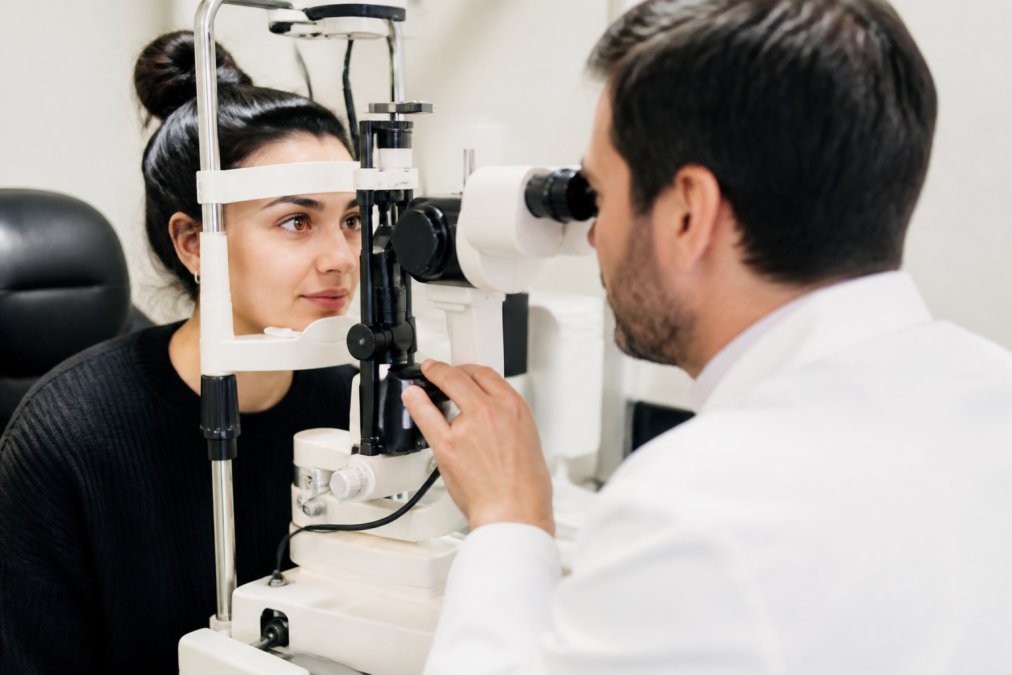
LASIK eye surgery uses a laser to precisely reshape your cornea, correcting myopia, hyperopia, and astigmatism in a single intervention. Most people achieve 20/20 vision or better after surgery (peer-reviewed research). The procedure takes roughly 15 minutes per eye, with most people seeing functional improvement within 24 hours and reaching full visual stability within a week or two.
Once healed, there are no ongoing costs for lenses or solutions. People with certain professions, military personnel, law enforcement, professional athletes, often choose LASIK because it eliminates the logistical burden of maintaining contact lens supplies.
However, LASIK is surgery and carries real risks. Serious complications are rare but include infection, irregular astigmatism, severe dry eye, and corneal ectasia. More commonly, people experience temporary dry eye symptoms, glare or halos around lights, and occasional vision fluctuations during healing. Not everyone is a surgical candidate; thin corneas, certain refractive errors, or unstable prescriptions may disqualify you.
The vision correction LASIK provides is durable for most people. However, presbyopia, the age-related loss of focusing ability beginning in your 40s, will still affect you. Some surgeons perform monovision correction, but this requires adaptation and doesn’t work for everyone.
Cost Comparison: Contact Lenses vs. Surgical Correction
The financial calculus between contact lens alternatives and surgery depends on your timeline and prescription stability.
Daily disposable contact lenses typically cost $600 to $1,968 annually, plus solution costs of roughly $100 to $200 per year. Over 20 years, that’s $14,000 to $43,360 in direct costs.
Extended wear or biweekly lenses cost roughly $108 to $508 annually for lenses, plus solution expenses. Over 20 years, this totals approximately $2,160 to $10,160 in lens costs.
Rigid gas permeable lenses represent a steeper initial investment ($200 to $500 per lens) but can last 12 to 18 months. Over 20 years with periodic replacements, you might spend $200 to $1,000 annually, plus solution and exam costs.
Orthokeratology ranges from $1,120 to $4,158 annually for the first year. After the first year, annual maintenance costs typically range from $300 to $800. Over 10 years, this could total $3,820 to $11,358.
LASIK surgery costs typically range from $1,500 to $3,500 per eye, totaling $3,000 to $7,000 for both eyes. This is a one-time expense. Over 20 years, the amortized cost is roughly $150 to $350 annually, substantially less than any ongoing contact lens modality.
| Modality | Initial Cost | Annual Cost | 10-Year Total | 20-Year Total |
|---|---|---|---|---|
| Daily Disposables | $0 | $600-$1,968 | $6,000-$19,680 | $12,000-$39,360 |
| Extended/Biweekly | $0 | $108-$508 | $1,080-$5,080 | $2,160-$10,160 |
| RGP Lenses | $200-$500 per lens | $200-$1,000 | $2,000-$10,000 | $4,000-$20,000 |
| Orthokeratology | $1,120-$4,158 (first year) | $300-$800 (after first year) | $3,820-$11,358 | $6,820-$19,358 |
| LASIK Surgery | $3,000-$7,000 | $0-$100 | $3,000-$8,000 | $3,000-$8,000 |
For someone in their 40s or older with a stable prescription, LASIK often becomes financially advantageous within 10 years compared to daily disposables.
Choosing the Right Alternative for Your Lifestyle and Vision Needs
The best alternative to daily disposable contact lenses depends on how you actually live. Start by identifying what frustrates you most about daily disposables. If it’s the daily insertion-removal ritual, extended wear or biweekly lenses solve the problem directly. If it’s cost, RGP lenses offer genuine long-term savings. If it’s the desire to eliminate lenses entirely and you have a stable prescription, LASIK becomes the logical choice.
Lifestyle factors matter enormously. If you swim regularly, play contact sports, or work in dusty environments, daily disposables or LASIK eliminate complications of lens care. Ortho-K works well for athletes needing daytime vision freedom but may complicate travel or irregular sleep schedules. RGP lenses require careful handling and aren’t ideal if you frequently can’t access proper cleaning and storage.
Your eye health history shapes the decision too. People with dry eye often struggle with extended wear lenses and may find RGPs more comfortable. Those with significant astigmatism may see sharper vision with RGPs. If you have thin corneas, you might not be a LASIK candidate.
Prescription stability is critical for LASIK. If your prescription has changed more than 0.5 diopters in the past year, your eye care provider will likely recommend waiting. For younger people whose prescriptions are still shifting, delaying LASIK until your mid-to-late 20s typically makes sense.
Clear Vision San Antonio can help you navigate these decisions through comprehensive eye examination and honest discussion of your priorities. We perform detailed corneal mapping, refractive measurements, and dry eye assessment to determine which alternatives are suitable for your eyes. More importantly, we listen to how you actually live, your work environment, activity level, travel patterns, and tolerance for daily routines, to recommend the option that fits your real life. The decision is about finding the alternative that delivers the vision quality, convenience, and cost-effectiveness you need without creating new problems.
=== FAQ ANSWERS (audit these too, same rules) ===
[1] Q: Why shouldn’t you reuse daily contact lenses?
A: Daily disposable contact lenses are designed for single-use only. Reusing them causes protein buildup, bacterial accumulation, and lens deposits that increase the risk of eye infections, irritation, and corneal complications. The lens material degrades after one day of wear, making it less breathable and more likely to cause dry eye syndrome. Reusing daily lenses also violates FDA guidelines and can lead to serious ocular surface damage.
[2] Q: What are the primary benefits of switching from daily disposables to monthly replacement lenses?
A: Monthly replacement contact lenses reduce handling frequency, which lowers the risk of contamination and eye irritation from daily insertion and removal. They’re often more cost-effective when calculated annually. Extended-wear options using silicone hydrogel materials offer superior oxygen permeability, supporting better corneal health. Many users find monthly lenses more convenient for active lifestyles or travel, though they require consistent daily cleaning and proper lens solution use.
[3] Q: Is LASIK a cost-effective alternative to daily contact lenses?
A: LASIK eye surgery benefits include permanent vision correction that eliminates ongoing lens costs. While LASIK requires an upfront investment, it provides lasting results for many patients. Over 10-15 years, the total cost of daily disposables, including lenses, solutions, and eye exams, often exceeds LASIK’s initial cost. However, not everyone qualifies as a candidate. A consultation with an eye care professional can determine if LASIK suits your prescription stability, corneal thickness, and overall eye health.
[4] Q: How do I know which alternative to daily disposables is right for me?
A: Your choice depends on your prescription, lifestyle, comfort tolerance, and budget. Extended-wear lenses suit active individuals who want convenience; RGP lenses offer sharper vision for astigmatism but require adaptation; ortho-K provides daytime freedom for myopic patients; LASIK offers permanent correction for stable prescriptions. Consult an eye care professional to evaluate your tear film quality, corneal shape, and refractive error. They’ll assess whether you’re a candidate for each option and recommend the best fit for your vision correction needs.
Frequently Asked Questions
Q: Why shouldn't you reuse daily contact lenses?
A: Daily disposable contact lenses are designed for single-use only. Reusing them causes protein buildup, bacterial accumulation, and lens deposits that increase the risk of eye infections, irritation, and corneal complications. The lens material degrades after one day of wear, making it less breathable and more likely to cause dry eye syndrome. Reusing daily lenses also violates FDA guidelines and can lead to serious ocular surface damage.
Q: What are the primary benefits of switching from daily disposables to monthly replacement lenses?
A: Monthly replacement contact lenses reduce handling frequency, which lowers the risk of contamination and eye irritation from daily insertion and removal. They're often more cost-effective when calculated annually. Extended-wear options using silicone hydrogel materials offer superior oxygen permeability, supporting better corneal health. Many users find monthly lenses more convenient for active lifestyles or travel, though they require consistent daily cleaning and proper lens solution use.
Q: Is LASIK a cost-effective alternative to daily contact lenses?
A: LASIK eye surgery benefits include permanent vision correction that eliminates ongoing lens costs. While LASIK requires an upfront investment, it provides lasting results for many patients. Over 10-15 years, the total cost of daily disposables, including lenses, solutions, and eye exams, often exceeds LASIK's initial cost. However, not everyone qualifies as a candidate. A consultation with an eye care professional can determine if LASIK suits your prescription stability, corneal thickness, and overall eye health.
Q: How do I know which alternative to daily disposables is right for me?
A: Your choice depends on your prescription, lifestyle, comfort tolerance, and budget. Extended-wear lenses suit active individuals who want convenience; RGP lenses offer sharper vision for astigmatism but require adaptation; ortho-K provides daytime freedom for myopic patients; LASIK offers permanent correction for stable prescriptions. Consult an eye care professional to evaluate your tear film quality, corneal shape, and refractive error. They'll assess whether you're a candidate for each option and recommend the best fit for your vision correction needs.
If you’ve been managing daily disposables for years but suspect there’s a better path, schedule a consultation with Clear Vision San Antonio. We’ll assess your candidacy for LASIK, Refractive Lens Exchange, and other advanced vision correction options, ensuring you understand the specific outcomes and recovery timeline for your situation. Request an appointment today to explore which alternative aligns with your vision goals.
This article was written using GrandRanker