

Table of Contents
- What is Orthokeratology and How It Works
- Orthokeratology Candidacy Requirements
- Preparing Psychologically for Your Treatment Journey
- Cleaning and Disinfecting Ortho-K Lenses
- Understanding Your Ortho-K Follow-Up Schedule
- Managing Initial Discomfort and the Adaptation Period
- Travel Preparation Checklist for Ortho-K Users
- Cost and Insurance Navigation for Orthokeratology
- Frequently Asked Questions
Last Updated: September 1, 2026
What is Orthokeratology and How It Works
Orthokeratology, often called Ortho-K, is a non-surgical vision correction method using specially designed contact lenses worn overnight to gently reshape the cornea. When you remove the lenses in the morning, your cornea maintains its new shape temporarily, allowing you to see clearly throughout the day without glasses or contact lenses.
The treatment works through corneal reshaping. Rigid gas-permeable lenses apply precise pressure to the corneal surface during sleep, flattening the central cornea to correct myopia, hyperopia, and astigmatism. Unlike permanent surgical procedures, corneal changes reverse gradually if you stop wearing the lenses, typically returning to your baseline prescription within days or weeks.
At Clear Vision San Antonio, we understand that successful orthokeratology requires comprehensive candidacy assessment, rigorous hygiene protocols, and realistic expectations about adaptation. The key to success lies in thorough preparation before your first lens insertion and consistent follow-up care afterward.
The adaptation period varies significantly between patients. Some achieve clear vision within the first few nights, while others need 1-2 weeks for full adjustment. This variability makes psychological preparation and patience essential components of treatment success.
Orthokeratology Candidacy Requirements
Not everyone is a good candidate for orthokeratology treatment. Your eye care professional will evaluate several factors to determine whether Ortho-K is appropriate for your specific vision needs and ocular health.
Comprehensive Eye Examination and Corneal Topography
Before beginning treatment, you’ll undergo a comprehensive eye examination that establishes your baseline visual acuity, refractive error, and overall eye health. Your eye care professional will assess tear film quality, check for corneal irregularities, and screen for conditions that contraindicate Ortho-K, such as severe dry eye, keratoconus, or active corneal infections.
Corneal topography is the cornerstone of candidacy assessment. This specialized imaging technology maps your cornea’s exact curvature, creating a detailed three-dimensional picture of your corneal surface. The results determine whether your cornea can accommodate prescribed lenses safely and effectively. Your eye care professional uses this data to design lenses that will reshape your cornea to correct your specific refractive error. This examination typically takes 15-20 minutes and is completely painless.
Assessing Your Refractive Error and Visual Acuity
Your current refractive error directly influences whether you’re a candidate for orthokeratology. Ortho-K works most effectively for mild to moderate myopia, typically up to about -6.00 diopters, though some advanced lens designs can address higher prescriptions (aao.org). Hyperopia and astigmatism can be corrected with Ortho-K, but your eye care professional will determine feasibility based on your specific prescription and corneal measurements.
Your baseline visual acuity measurement establishes the starting point for treatment and helps your prescribing practitioner predict realistic outcomes and set appropriate expectations.
Successful orthokeratology candidacy depends on three measurable factors: appropriate refractive error magnitude, healthy corneal tissue, and adequate tear film quality. If any of these elements is compromised, treatment efficacy and safety are at risk.
Preparing Psychologically for Your Treatment Journey
The psychological adjustment to orthokeratology treatment significantly impacts treatment success and patient satisfaction. Unlike LASIK or other permanent vision corrections, Ortho-K requires nightly lens wear and ongoing commitment.
Set realistic expectations about the timeline. Your vision won’t be perfect on night one. Most patients experience gradual improvement over the first week, with stabilization occurring between days 7-14 (peer-reviewed research). Some people need up to a month to reach their best possible vision.
For parents considering Ortho-K for children, psychological preparation is especially important. Children need to understand that lenses feel different initially and that they’ll need to develop a consistent routine. Framing the treatment as an adventure or responsibility helps children engage positively with the process.
Anticipate and normalize initial discomfort. During the first few nights, you may experience mild foreign body sensation, slight tearing, or mild redness. These sensations typically diminish significantly by night three or four. Knowing in advance that these experiences are normal and temporary reduces anxiety and improves adherence during the critical adaptation period.
Cleaning and Disinfecting Ortho-K Lenses
Proper lens hygiene is non-negotiable for orthokeratology treatment. Ortho-K lenses remain in contact with your eye throughout the night when tear production decreases and your eye’s natural defenses are reduced (the NIH). This extended contact time means contamination risks are higher, making rigorous cleaning and disinfection protocols essential for corneal health and treatment safety.
Daily Hygiene Protocols and Protein Deposit Management
Your daily lens care routine begins immediately after lens removal in the morning. Remove the lens gently and place it in the palm of your clean, dry hand. Using your prescribing practitioner’s recommended lens care solution, rub the lens surface gently with your fingertip for 10-15 seconds on each side, paying special attention to the edges where protein and lipid deposits accumulate.
Rinse the lens thoroughly under fresh solution, never use tap water, which contains microorganisms and minerals that can damage the lens and introduce bacterial contamination. After rinsing, place the lens in a clean lens case filled with fresh disinfection solution. Replace your lens case every month, or every two weeks if you travel frequently or have a history of lens-related infections.
Protein deposits accumulate gradually on Ortho-K lenses despite daily cleaning. Most eye care professionals recommend weekly enzymatic cleaning using specialized enzyme tablets designed to break down protein buildup. Drop your lens into enzyme solution for 15-30 minutes (or as specified on your product), which chemically dissolves protein deposits that mechanical rubbing cannot remove. After enzymatic cleaning, rinse the lens thoroughly and store it in fresh disinfection solution.
Proper Lens Insertion and Removal Techniques
Correct lens insertion and removal techniques prevent corneal trauma, reduce discomfort, and ensure optimal corneal contact for reshaping. Before touching your lenses, always wash your hands thoroughly with soap and water and dry them completely with a lint-free towel.
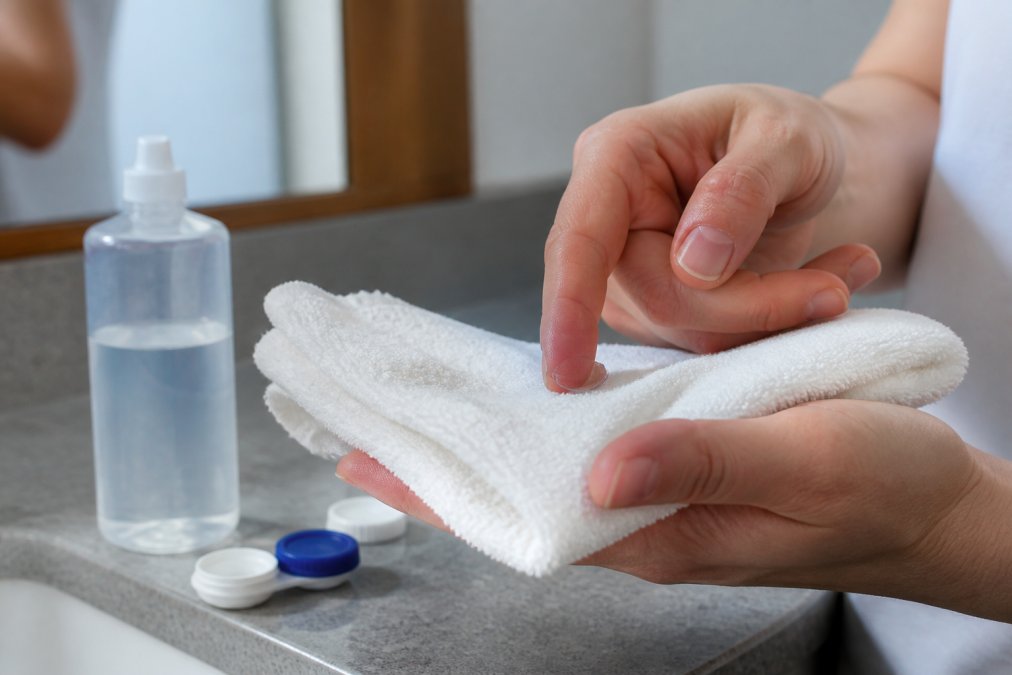
For lens insertion, place the lens on the tip of your index finger and examine it carefully to ensure it’s not inside-out, the lens should curve upward like a bowl, not flatten like a plate. Hold your lower lid open with one hand and look straight ahead or slightly upward. Gently place the lens directly on the center of your cornea. Once the lens is on your eye, close your eyelid gently and blink several times to center the lens and distribute tears underneath it.
Lens removal requires patience and gentleness. Wash your hands and dry them completely. Look upward and gently pull down your lower lid. Using your index finger, slide the lens toward the white of your eye (away from the cornea), then gently break the seal by pulling the lower lid down further. The lens will slide out onto your lower lid or into your palm.
A common mistake is rushing lens insertion or removal. Hurried technique significantly increases the risk of [corneal scratching](/how-to-treat-a-scratched-cornea-at-home/), which causes pain, redness, and temporary vision loss. If you’re having difficulty after a week of practice, contact your eye care professional immediately, they can demonstrate proper technique and may adjust your lens design for easier handling.
Understanding Your Ortho-K Follow-Up Schedule
Consistent follow-up appointments are essential for monitoring treatment efficacy, ensuring corneal health, and addressing complications early. Your follow-up schedule typically begins one day after your first lens insertion, with appointments becoming less frequent as your treatment stabilizes.
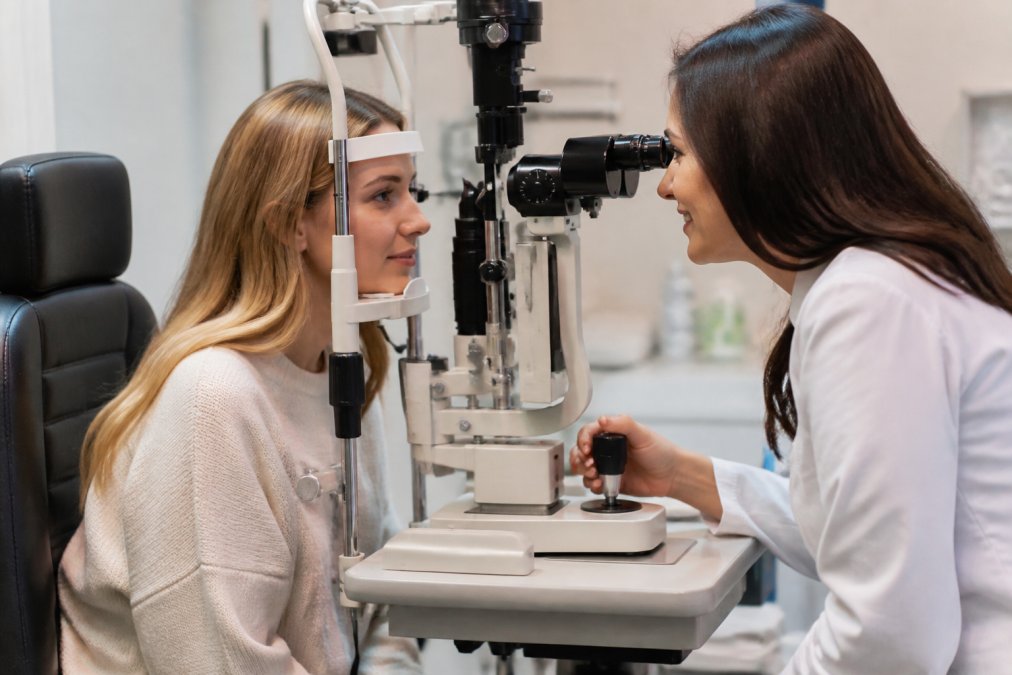
Your first follow-up appointment assesses how your cornea has responded to initial reshaping and whether your vision has begun to improve. Your eye care professional will measure your visual acuity, examine your cornea using a slit lamp microscope to check for abrasion or irritation, and evaluate lens fit and positioning.
Subsequent appointments typically occur at one week, two weeks, and one month after treatment begins. During these visits, your eye care professional monitors your corneal topography to confirm reshaping is progressing as expected, measures your visual acuity to track improvement, and adjusts lens parameters if necessary.
After your vision stabilizes, typically by week 4, follow-up appointments transition to a maintenance schedule. Most patients require appointments every 3-6 months to monitor long-term corneal health and ensure your lens prescription continues to meet your vision needs. Annual comprehensive eye examinations remain important to screen for any ocular health changes that might affect your ability to continue Ortho-K treatment safely.
During follow-up appointments, communicate openly about any vision fluctuations, discomfort, or concerns. Some patients experience variable vision quality throughout the day, particularly during the first few weeks. These variations are common during the adaptation period and typically resolve as your cornea stabilizes.
Managing Initial Discomfort and the Adaptation Period
The adaptation period, typically the first 1-4 weeks of orthokeratology treatment, involves physical and psychological adjustment to overnight lens wear. Understanding what to expect helps you navigate this transition successfully.
Most patients experience mild foreign body sensation during the first few nights. This sensation typically feels like slight grittiness or awareness of the lens on your eye when you first insert it. This discomfort usually diminishes significantly within the first week as your eye adjusts to the lens material and your tear film adapts to nightly lens wear. If foreign body sensation persists beyond two weeks or worsens, contact your eye care professional.
Mild tearing during the first few nights is common and beneficial, as tears help distribute the lens and maintain corneal hydration. Some patients also experience mild conjunctival redness during the adaptation period, which typically resolves within a few days.
Troubleshoot initial discomfort by ensuring your lens care routine is correct. Verify that you’re using the exact lens care solution recommended by your eye care professional. Confirm that your hands are completely dry before handling lenses and that you’re using a lint-free towel exclusively. Check that your lens case is clean and that you’re replacing the disinfection solution daily.
If discomfort persists despite correct lens care, some practitioners recommend wearing lenses for 6-7 nights per week initially, then reducing to 5 nights per week for a week or two to allow your cornea recovery time.
Travel Preparation Checklist for Ortho-K Users
Traveling while wearing orthokeratology lenses requires advance planning to ensure you maintain your lens care routine and protect your corneal health.
Create a travel lens care kit that includes: a one-month supply of your prescribed lens care solution, enzyme cleaning tablets, backup lens cases (at least two), lint-free towels, sterile saline solution for emergency rinsing, and a small mirror with good lighting. Pack this kit in your carry-on luggage rather than checked baggage.
Identify the time zone changes you’ll experience and plan your lens wear schedule accordingly. Contact your eye care professional before traveling across multiple time zones to discuss specific recommendations for your situation.
Research the water quality at your destination. If you’re traveling to an area where tap water quality is uncertain, bring bottled water for hand washing before lens handling. Never rinse your lenses with tap water from unfamiliar sources.
Locate eye care professionals near your destination in case of emergency. Research ophthalmologists or optometrists in your destination city who have experience with orthokeratology and keep their contact information readily available.
Pack backup glasses or contact lenses for emergency use. If your Ortho-K lenses are damaged, lost, or cause unexpected discomfort while traveling, having a backup vision correction option ensures you can still function safely and comfortably.
Cost and Insurance Navigation for Orthokeratology
Understanding the financial aspects of orthokeratology treatment helps you make informed decisions and plan appropriately for this long-term vision correction approach.
Orthokeratology treatment involves several cost components: initial comprehensive eye examination and corneal topography, lens fitting and prescription design, the lenses themselves, lens care solutions and accessories, and ongoing follow-up appointments. The total initial investment typically covers your first 3-6 months of treatment.
Ongoing monthly expenses include lens care solution, enzyme cleaning tablets, lens case replacement, and periodic follow-up appointments. Most patients need replacement lenses every 1-2 years depending on wear patterns and lens material.
Insurance coverage for orthokeratology varies significantly among plans. Some vision insurance plans cover Ortho-K as a form of contact lens fitting, while others classify it as an elective procedure. Medical insurance may cover treatment if prescribed for medical reasons, such as myopia management in children. Contact your insurance provider before beginning treatment to understand your coverage and out-of-pocket costs.
Many eye care practices offer flexible payment plans that spread the initial treatment cost over several months. Ask your eye care professional about payment options available at Clear Vision San Antonio.
Over 10 years, the cumulative cost of daily contact lenses, solution, and eye exams often exceeds the cost of Ortho-K treatment, particularly when you factor in the convenience of daytime lens-free vision and the potential myopia management benefits for children.
Preparing for orthokeratology treatment extends far beyond the initial lens fitting appointment. It requires honest assessment of your candidacy, commitment to rigorous lens hygiene protocols, realistic expectations about the adaptation timeline, and understanding of the financial and lifestyle adjustments involved. The most successful Ortho-K patients are those who prepare thoroughly before beginning treatment and maintain consistent follow-up care afterward. At Clear Vision San Antonio, our team guides you through each step of this preparation process, ensuring you have the knowledge and support to achieve clear vision safely and maintain excellent corneal health throughout your treatment journey. Request an appointment with our eye care professionals to discuss whether orthokeratology is right for your vision needs.
Frequently Asked Questions
Q: What should I expect during my initial orthokeratology consultation?
A: Your first visit includes a comprehensive eye examination, corneal topography measurement, and assessment of your candidacy for treatment. The eye care professional will discuss your refractive error, visual acuity goals, and what the adaptation period involves. You’ll learn about lens insertion and removal techniques, cleaning protocols, and your prescribed wear schedule. This consultation ensures orthokeratology is right for you and sets expectations for overnight vision correction.
Q: How many hours of sleep do I need for effective ortho-k treatment?
A: Most patients require 6-8 hours of overnight lens wear for effective corneal reshaping and vision correction. Your prescribing practitioner will establish your specific prescribed wear schedule based on your refractive error and treatment efficacy. Consistency matters more than exceeding the minimum, skipping nights or irregular wear reduces the corneal reshaping effect. Your follow-up appointments monitor whether your current schedule delivers the visual acuity you need.
Q: Why might ortho-k lenses cause discomfort during the adaptation period?
A: Initial discomfort is common as your ocular surface adjusts to the rigid lens material and corneal reshaping process. Protein deposits and lipid deposits on the lens surface, bacterial contamination, or improper insertion technique can intensify discomfort. Poor tear film quality or dry eye also contributes. Most discomfort subsides within 1-2 weeks as adaptation progresses. If pain persists, contact your eye care professional, it may signal a fitting issue or improper lens handling that requires adjustment.
Q: Can I wear ortho-k lenses during the day?
A: No. Ortho-k lenses are designed exclusively for overnight wear while you sleep. Wearing them during waking hours risks corneal damage, bacterial contamination, and reduced treatment efficacy. The corneal reshaping effect depends on consistent overnight application. Your prescribing practitioner will establish a prescribed wear schedule that specifies nighttime-only use. During the day, your reshaped cornea provides clear vision without glasses or contacts, which is the primary benefit of orthokeratology.
This article was written using GrandRanker