Table of Contents
- Understanding Myopia in Children
- Recognizing Myopia Progression Signs in Children
- Myopia Control Treatment Options That Work
- Lifestyle Changes to Slow Myopia Progression
- Creating a Myopia Management Plan for Your Child
- Long-Term Benefits of Early Myopia Management
- Frequently Asked Questions
Last Updated: September 2, 2026
Understanding Myopia in Children
Myopia, commonly known as nearsightedness, is a refractive error in which the eye focuses light in front of the retina, making distant objects appear blurry while near objects remain clear. In children, myopia has become increasingly prevalent over the past two decades, developing when the eyeball grows too long or the cornea curves too steeply, preventing proper light focus on the retina.
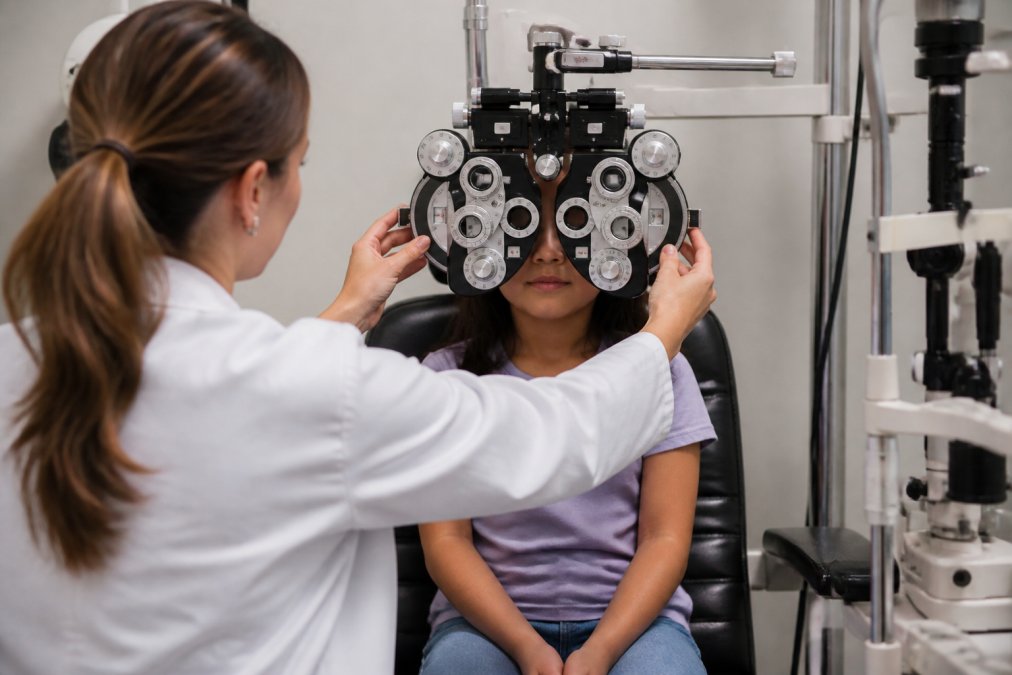
When myopia develops in childhood, it often progresses rapidly during school years. Children typically struggle to see the classroom board, read distant signs, or participate fully in sports and outdoor activities. Progression rates vary significantly, some experience slow, gradual changes while others see dramatic prescription increases year after year.
Early intervention can slow or even halt progression, making myopia management critical. Without proper management, myopia can advance into high myopia, which carries increased risk for serious eye conditions later in life, including retinal detachment, myopic macular degeneration, and glaucoma.
At Clear Vision San Antonio, we recognize that myopia in children requires more than simply prescribing stronger glasses each year. Our team of dedicated eye doctors offers comprehensive myopia control strategies tailored to each child’s specific needs and lifestyle. Early detection and proactive management can make a measurable difference in slowing progression and preserving your child’s vision for life.
Recognizing Myopia Progression Signs in Children
Myopia progression signs in children often develop gradually, which is why regular vision screening is essential. Parents and educators should watch for behavioral cues suggesting a child is struggling with distance vision: sitting closer to the television, squinting to see the classroom board, or complaining that distant objects are blurry.
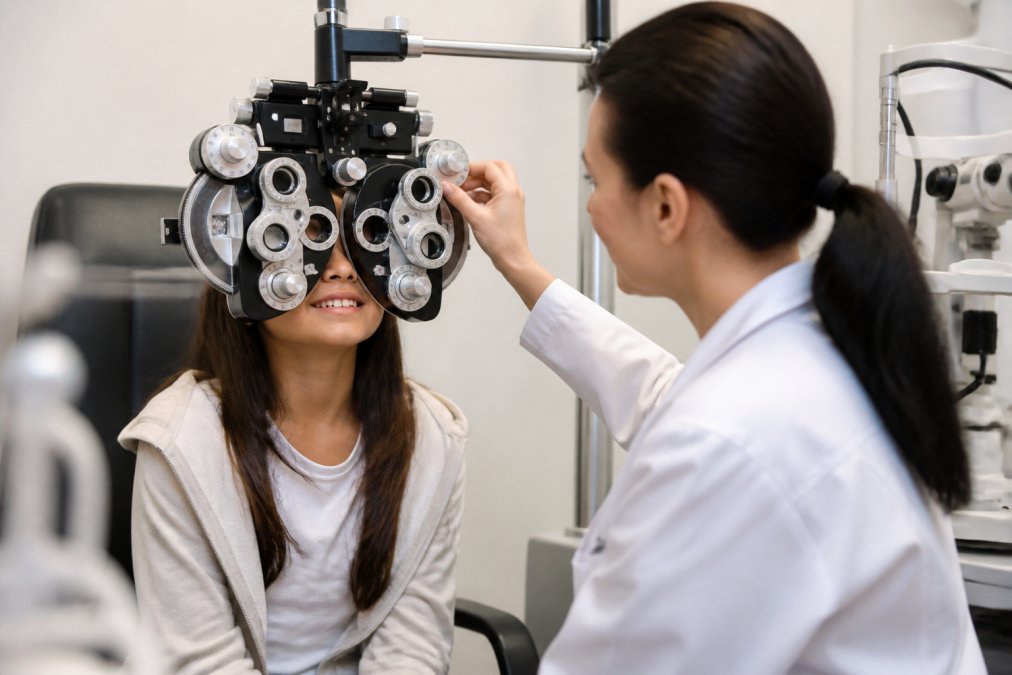
Physical signs include frequent squinting, eye strain, and headaches after activities requiring distance vision. Some children may tilt their heads or move closer to objects to see them clearly. In the classroom, a child with progressing myopia may struggle academically if they cannot see the board, a problem sometimes misinterpreted as a learning issue.
The most telling sign is a change in prescription strength from year to year. An eye care professional can measure axial length (the distance from the front to the back of the eye) using specialized equipment to quantify eye elongation, a key marker of myopia progression. Monitoring these measurements over time helps determine whether your child’s myopia is stable or advancing rapidly.
Schedule regular vision screenings starting in preschool and continuing annually through the school years. Early detection allows for earlier intervention, when myopia control strategies are most effective.
Myopia Control Treatment Options That Work
Managing myopia control for children involves several evidence-based treatment approaches focusing on slowing axial elongation, the primary mechanism driving myopia progression. No single treatment works for every child, which is why a comprehensive evaluation by a qualified eye care professional is essential.
The three primary myopia control treatment options are pharmaceutical interventions, specialized contact lenses, and lifestyle modifications. Many families find the best results come from combining multiple approaches. For instance, a child using atropine drops may also benefit from increased outdoor time and reduced screen time.
Atropine Drops for Myopia
Low-dose atropine eye drops represent one of the most researched and effective pharmaceutical approaches to slowing myopia progression. These drops work by relaxing the accommodation mechanism in the eye, reducing the stimulus that drives axial elongation. An eye care professional typically prescribes atropine concentrations ranging from 0.01% to 0.05%, with lower doses showing effectiveness while minimizing side effects.
The typical regimen involves instilling one drop in each eye once daily, usually in the evening. Many children tolerate atropine well, though some experience mild side effects including light sensitivity and slight blurred vision for near work. These effects are usually temporary and diminish as the eyes adjust. Consistent daily use is essential for effectiveness.
Atropine’s effectiveness in slowing myopia progression has been demonstrated across numerous clinical studies. Children using atropine typically experience slower increases in myopia compared to untreated controls. The medication appears most effective when started early in myopia development, making early detection crucial. Regular follow-up appointments are necessary to monitor your child’s response and adjust the treatment plan.
Orthokeratology (Ortho-K)
Orthokeratology, commonly called Ortho-K, involves wearing specially designed rigid contact lenses overnight that gently reshape the cornea. During sleep, these lenses apply controlled pressure to flatten the corneal surface, temporarily improving distance vision. Upon lens removal in the morning, the child experiences clear distance vision throughout the day without needing glasses or contact lenses.
Beyond daytime vision convenience, Ortho-K has shown promise in slowing myopia progression. The peripheral defocus created by these specialized lenses appears to reduce the eye’s stimulus to elongate. Children typically wear Ortho-K lenses for 6-10 hours nightly, making them ideal for active children who play sports or engage in outdoor activities.
The process requires careful fitting and ongoing monitoring by an experienced eye care professional. Initial adaptation takes one to two weeks, during which vision may fluctuate slightly. Ortho-K lenses demand meticulous daily cleaning and care, and poor hygiene can lead to eye infections. The cost is typically higher than standard contact lenses, and not all insurance plans cover this treatment. Despite these considerations, many families find Ortho-K an excellent option for managing myopia control while providing freedom from daytime vision correction.
Multifocal Contact Lenses
Multifocal soft contact lenses designed specifically for myopia control represent another effective treatment option. These lenses incorporate multiple zones of power, with peripheral areas providing relative myopic defocus. This peripheral defocus appears to slow the eye’s axial elongation, making multifocal contact lenses an effective myopia control strategy.
Children can wear multifocal contact lenses during waking hours, making them practical for school, sports, and social activities. The lenses provide clear central vision while delivering the peripheral defocus needed to slow myopia progression. Compared to Ortho-K, multifocal contact lenses are easier to care for and adjust to, though they require daily insertion and removal.
The effectiveness of multifocal contact lenses in slowing myopia progression varies among children. Success depends on consistent daily wear, proper lens care, and the child’s individual biological response. Regular follow-up appointments help determine whether multifocal lenses are providing adequate myopia control or whether an alternative approach might work better.
Lifestyle Changes to Slow Myopia Progression
While pharmaceutical and optical interventions are powerful tools for myopia control, lifestyle modifications form the foundation of any comprehensive management plan. Environmental and behavioral factors significantly influence how quickly myopia progresses in children.
Outdoor Time and Natural Light Exposure
Outdoor light exposure is one of the strongest protective factors against myopia progression. Children who spend more time outdoors in bright natural sunlight show slower myopia progression compared to those who remain primarily indoors. The mechanism appears to involve dopamine release in the retina triggered by bright light exposure, which may inhibit axial elongation.
The target for myopia control is at least 120 minutes of outdoor time daily, though even modest increases in outdoor exposure provide benefit. This outdoor time should involve genuine outdoor activity in natural sunlight, not simply sitting near a window. Sports, playground time, and outdoor recreation all count toward this goal.
Encouraging outdoor time requires intentional family planning. Schedule outdoor activities during lunch breaks at school, after-school sports, weekend recreation, and family outings. Make outdoor time enjoyable rather than a chore.
Managing Screen Time and Near Work
Excessive near work, including screen time from computers, tablets, and smartphones, contributes to myopia progression. When children focus on near tasks for extended periods, the eye’s accommodation system works continuously, creating stimulus for axial elongation.
The challenge is not eliminating near work entirely, but rather managing its intensity and duration. Encourage breaks during homework sessions and limit recreational screen time to reasonable levels. When screen time is necessary, position devices at arm’s length distance and ensure proper lighting to reduce eye strain.
The 20-20-20 Rule for Eye Strain Relief
The 20-20-20 rule is a simple but effective strategy for managing eye strain during near work. Every 20 minutes spent on close-up tasks, take a 20-second break and look at something 20 feet away. This brief break allows the accommodation system to relax, reducing fatigue and the stimulus for myopia progression.
Implementing the 20-20-20 rule requires establishing consistent habits. Set phone reminders during homework sessions, incorporate breaks into study schedules, and teach children to recognize when their eyes feel strained.
Creating a Myopia Management Plan for Your Child
A successful myopia management plan is individualized, combining appropriate treatment options with lifestyle modifications tailored to your child’s specific situation. This is where working with an experienced eye care professional becomes invaluable.
Step 1: Schedule a Comprehensive Vision Screening
Begin with a thorough eye examination that goes beyond a standard vision check. A comprehensive vision screening for myopia management includes measurement of visual acuity, refraction to determine the exact prescription, axial length measurement using optical biometry, and assessment of accommodation and binocular vision. These measurements establish a baseline for monitoring future progression.
The examination should also evaluate your child’s overall eye health. Ask your eye care professional about the rate of your child’s myopia progression. If your child’s prescription has increased by 0.75 diopters or more per year, more intensive myopia control measures are warranted.
Step 2: Discuss Treatment Options With Your Eye Care Professional
Once baseline measurements are established, discuss all available myopia control options with your eye care professional. Review the advantages and limitations of atropine drops, Ortho-K, and multifocal contact lenses. Consider your child’s age, lifestyle, compliance likelihood, and any specific concerns or preferences.
Ask your eye care professional to explain the expected effectiveness of each option for your child’s specific situation. Clear Vision San Antonio’s dedicated eye doctors take time to ensure families understand each option thoroughly before making treatment decisions.
Step 3: Implement Lifestyle Changes at Home and School
Regardless of which myopia control treatment you select, implement lifestyle modifications immediately. Increase outdoor time, establish screen time limits, and teach your child the 20-20-20 rule. Communicate with your child’s school about the importance of outdoor recess and adequate lighting in the classroom.
These changes work synergistically with pharmaceutical and optical treatments. A child using atropine drops who also spends ample time outdoors and manages screen time will likely experience better myopia control than one using drops alone.
Step 4: Monitor Progress With Regular Follow-Up Care
Schedule follow-up appointments every three to six months to assess how well the myopia management plan is working. At each visit, your eye care professional will measure axial length again, check visual acuity, and update the prescription if needed. These measurements reveal whether myopia progression is slowing, stabilizing, or continuing despite treatment.
If progression continues despite the current approach, your eye care professional may adjust the treatment plan, perhaps increasing atropine concentration, switching contact lens types, or intensifying lifestyle modifications.
Long-Term Benefits of Early Myopia Management
The benefits of managing myopia control for children extend far beyond childhood. Early intervention that slows myopia progression during the school years can prevent progression into high myopia during adulthood. High myopia significantly increases risk for serious ocular conditions including retinal detachment, myopic macular degeneration, and glaucoma.
By implementing myopia control strategies now, you’re investing in your child’s long-term ocular health. A child whose myopia progression is slowed or halted during critical years may avoid the complications associated with high myopia entirely.
Research indicates that each diopter of myopia progression increases the risk of myopic complications. Slowing progression by even one or two diopters can substantially reduce these risks. The earlier intervention begins, the greater the potential benefit, making early detection and management of myopia in children one of the most important preventive eye care measures available.
Managing myopia control for children requires a proactive, comprehensive approach combining professional expertise with consistent family commitment. Early detection, appropriate treatment selection, and adherence to lifestyle modifications create the foundation for slowing myopia progression and protecting your child’s long-term vision. Clear Vision San Antonio’s dedicated eye doctors specialize in myopia management, offering personalized evaluation and treatment planning to help your child achieve clear vision and healthy eyes for life. Request an Appointment to begin your child’s myopia management journey today.
| Treatment Option | Primary Mechanism | Daily Commitment | Best For |
|---|---|---|---|
| Low-dose atropine drops | Reduces accommodation stimulus | Once-daily instillation | Children with rapid progression |
| Orthokeratology (Ortho-K) | Corneal reshaping via overnight lenses | 6-10 hours nightly | Active children seeking daytime clarity |
| Multifocal contact lenses | Peripheral myopic defocus | Daily insertion/removal | School-age children preferring daytime wear |
| Outdoor time increase | Natural light exposure triggering dopamine | 120+ minutes daily | All children, foundational strategy |
| Screen time management | Reduced near-work accommodation demand | Ongoing behavioral adjustment | All children, combined with treatments |
Additional Resources:
For comprehensive information on pediatric eye health and myopia management, consult American Academy of Ophthalmology’s resources on myopia, which provides evidence-based guidance on myopia control strategies. The American Optometric Association’s myopia management guidelines offer detailed clinical recommendations for practitioners and families. For understanding refractive errors and how the eye focuses light, the National Eye Institute’s explanation of refractive errors provides accessible medical information. Parents seeking peer support and shared experiences can explore Myopia.org’s family resources and community forums, which connects families managing pediatric myopia with evidence-based information and support networks.
===
Frequently Asked Questions
Q: How can I help my child prevent myopia?
A: The most effective prevention involves increasing outdoor time to at least 2 hours daily in natural light, which has been shown to slow myopia progression. Limit screen time and near work, encourage the 20-20-20 rule (every 20 minutes, look at something 20 feet away for 20 seconds), and maintain proper reading distance and posture. Schedule regular vision screenings with an eye care professional to catch early signs of myopia before progression accelerates. Early intervention with proven myopia control treatment options can significantly reduce how quickly your child’s prescription changes.
Q: What are the early signs of myopia progression in children?
A: Watch for complaints of blurry distance vision, difficulty seeing the board at school, squinting to focus on distant objects, or moving closer to screens and books. Some children may report eye strain or headaches after near work. Changes in academic performance or behavioral issues related to vision problems can also signal myopia progression. A myopic shift, when your child’s prescription increases by more than 0.5 diopters in a year, indicates faster progression and warrants discussion with your eye care provider about myopia control treatment options to slow further changes.
Q: Are atropine drops for myopia safe for children?
A: Low-dose atropine has a strong safety record in clinical studies for myopia control in children. The drops work by reducing accommodation, which helps slow axial length growth. Side effects are typically mild, such as temporary light sensitivity or blurred near vision, and resolve quickly. Your eye care professional will determine the appropriate dosage and monitor your child’s response during follow-up care. Atropine drops are most effective when combined with lifestyle changes to slow myopia and outdoor time recommendations.
Q: At what age should my child start myopia management?
A: Myopia management is most effective when started early, ideally as soon as myopia is detected, typically between ages 6 and 12. Early intervention during the years of fastest myopic shift can significantly slow progression and reduce the risk of high myopia and associated long-term ocular health complications. Even if your child is older, starting myopia control treatment options now can still provide meaningful benefits. A comprehensive vision screening with an eye care professional will help determine the right time and approach for your child’s specific situation.
This article was written using GrandRanker