
Table of Contents
- Understand Why Your Current Lenses Cause Discomfort
- Best Contact Lenses for Dry Eyes and Sensitive Corneas
- Daily vs Monthly Contact Lenses for Comfort
- How to Switch Contact Lens Brands Successfully
- Non-Surgical Vision Correction Alternatives
- Practical Steps to Find Your Comfortable Contact Lens Alternative
- Conclusion
Last Updated: August 14, 2026
Understand Why Your Current Lenses Cause Discomfort
Contact lens discomfort is one of the most common reasons people abandon lenses, yet the root causes are often fixable. Understanding what’s causing your discomfort matters before assuming you need to switch to glasses permanently. The problem rarely lies with contact lenses as a concept, it usually comes down to material fit, wear schedule, or how your eyes respond to your current solution.
Common causes of contact lens discomfort
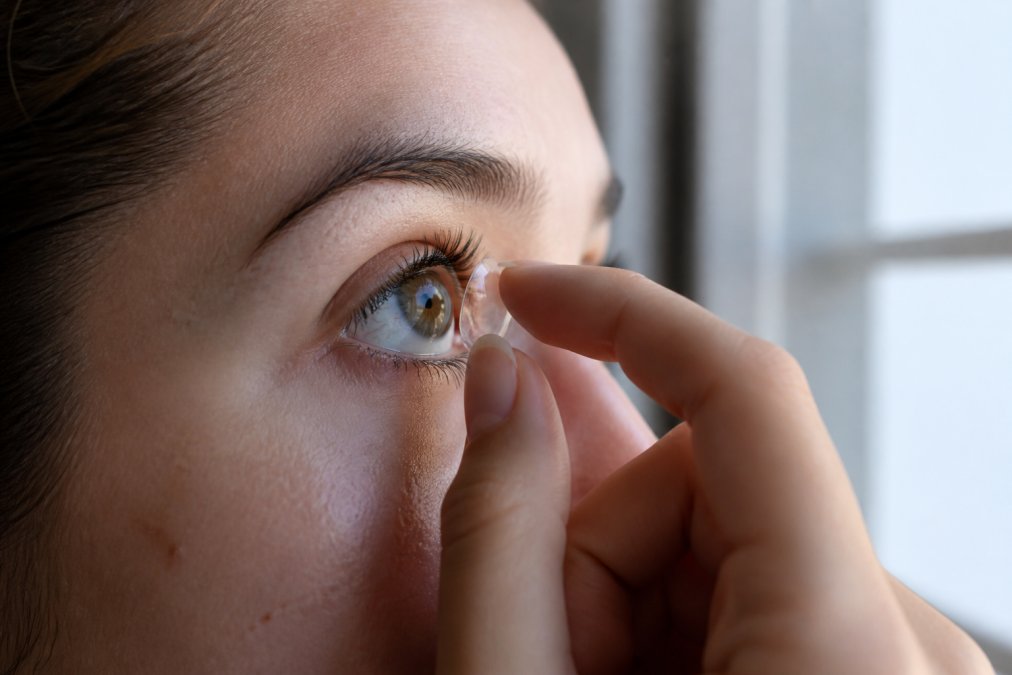
Discomfort falls into predictable categories, each pointing toward a different solution. Dryness is the most frequent complaint, your tear film may not be stable enough to keep the lens hydrated throughout the day, especially during screen time. Protein and lipid deposits accumulate on your lens surface over time, creating buildup that irritates the cornea. Some people experience edge-related irritation where the lens rim catches on the eyelid, while others struggle with lens movement that causes vision fluctuations and physical discomfort.
The material of your current lenses plays a direct role. Standard soft lenses made from traditional hydrogel materials don’t allow as much oxygen to reach your cornea as newer alternatives. Wearing lenses longer than recommended accelerates deposit formation and reduces oxygen transmission.
How material and fit affect comfort
Silicone hydrogel materials fundamentally change the comfort equation. These lenses allow significantly more oxygen to pass through to your cornea compared to traditional hydrogel, reducing irritation and extending comfortable wear time.
Fit accuracy determines whether your lens stays centered on your eye or shifts with every blink. Two measurements matter most: the base curve (how curved the lens is) and the diameter (how wide it is). A base curve that’s too steep causes the lens to sit too high; too flat and it slides down. An incorrect diameter leads to excessive movement or tight fitting that restricts tear flow. Many people never get refitted after their initial prescription, simply reordering the same parameters year after year.
Water content in a lens affects initial comfort but not necessarily long-term wear. Higher water content lenses feel wetter initially but can actually dry out faster during the day. Lower water content lenses may feel drier at first but often perform better for extended wear.
Best Contact Lenses for Dry Eyes and Sensitive Corneas
If dryness is your primary complaint, you have specific lens options designed to address this directly.
Silicone hydrogel and oxygen permeability
Silicone hydrogel lenses are the first choice for anyone with dry eye symptoms. These materials allow oxygen permeability levels 5-6 times higher than traditional hydrogel, meaning your cornea stays healthier and more hydrated. When your cornea gets adequate oxygen, it maintains better tear film stability, creating a positive feedback loop where the lens feels more comfortable.
Daily disposable silicone hydrogel lenses offer another advantage, you start fresh every morning with a clean lens that has no protein or lipid deposits. Many people find they can wear daily disposables comfortably for a full day, then switch to glasses in the evening, giving their eyes a break.
Scleral lenses as a comfort alternative
Scleral lenses represent a different approach entirely. These large-diameter rigid gas-permeable lenses vault completely over your cornea, resting on the white part of your eye (the sclera). This design creates a fluid-filled reservoir between the lens and your cornea, essentially a protective cushion of your own tears.
For severe dry eye or irregular corneas, scleral lenses often provide comfort that no soft lens can match. The fluid reservoir keeps your cornea continuously hydrated, and because the lens doesn’t rest on the sensitive cornea itself, irritation drops dramatically. People with keratoconus, post-LASIK complications, or severe dry eye frequently find scleral lenses transformative.
The trade-off is complexity. Scleral lenses require a more involved fitting process and take longer to learn to insert and remove. They’re also significantly more expensive than soft lenses. Clear Vision San Antonio offers comprehensive contact lens fitting services, including for patients with complex needs.
Daily vs Monthly Contact Lenses for Comfort
The choice between daily disposables and monthly lenses is often framed as convenience versus cost, but comfort is the real differentiator.
Protein deposits and comfort decline
Monthly lenses accumulate protein and lipid deposits from your tears, and this buildup accelerates discomfort. By week three or four, many wearers notice their lenses feel less comfortable than they did on day one. Daily disposables eliminate this entirely, you remove the lens at the end of each day and throw it away. You start fresh every morning with a pristine lens surface. Studies consistently show that daily disposable wearers report higher comfort levels throughout their wearing period compared to monthly lens wearers.
Extended wear versus fresh lens replacement
Extended wear lenses are tempting because you can sleep in them and wake up with vision already corrected. However, extended wear significantly increases your risk of eye infections and complications. Your cornea needs oxygen even while you sleep, and sleeping in lenses traps bacteria and debris against your eye for 8+ hours.
If comfort is your priority, fresh daily lenses are the answer. If you absolutely need vision correction while sleeping, orthokeratology (overnight corneal reshaping) is a better alternative than sleeping in contact lenses.
How to Switch Contact Lens Brands Successfully
Switching to a new lens type or brand isn’t as simple as just ordering a different product. Your eyes need time to adapt, and the fitting process matters more than most people realize.
Getting a professional fitting before you switch
Never switch lens brands or types without a professional fitting. Your current prescription and base curve may not transfer directly to a new lens. Different manufacturers use slightly different fitting systems, even when the prescription numbers look identical.
A proper fitting involves your eye care professional examining your cornea shape, tear film quality, and how a trial lens sits on your eye. They’ll assess lens movement, centration, and how the lens interacts with your eyelids. If someone tells you to just order online without a fitting, find a different provider.
Trial lenses and gradual adjustment
Start with trial lenses for at least a few days before committing to a full box. Wear them in your typical environment, at work, during screen time, during activities where your current lenses cause problems. Your eyes need 3-7 days to adjust to a new lens material or fit. What feels strange on day one often feels normal by day three. However, if discomfort persists beyond a week, the lens probably isn’t right for you.
Keep a simple log: note the lens type, how it feels at different times, any dryness or irritation, and vision quality. This information helps your provider fine-tune your fit.
Non-Surgical Vision Correction Alternatives
If contact lenses simply aren’t working for you, non-surgical and surgical alternatives exist that might deliver the vision correction and freedom you’re looking for.
Orthokeratology for daytime freedom
Orthokeratology (Ortho-K) uses specially designed rigid gas-permeable lenses worn overnight to gently reshape your cornea. You sleep in the lenses, remove them in the morning, and enjoy clear vision all day without glasses or contacts. The cornea gradually returns to its original shape over several days if you stop wearing the lenses, making it completely reversible.
Ortho-K works best for people with mild to moderate myopia (nearsightedness) and is particularly effective for slowing myopia progression in children. The initial fitting cost is higher than standard contact lenses, typically $1,120 to $4,158 for the first year including lenses and fitting, but you get daytime freedom without the discomfort of wearing lenses during waking hours.
LASIK and ICL surgery for permanent correction
LASIK (Laser-Assisted In Situ Keratomileusis) reshapes your cornea using a laser to correct myopia, hyperopia, and astigmatism. The procedure takes about 15 minutes per eye, and most people achieve 20/20 vision or better. LASIK is permanent, your cornea stays reshaped.
The cost ranges from $1,500 to $3,000 per eye. Most vision insurance doesn’t cover LASIK since it’s considered elective, but many practices offer financing options. Recovery is fast, with most people seeing clearly within 24 hours.
Implantable Collamer Lens (ICL) surgery is an alternative for people who aren’t good LASIK candidates, particularly those with thin corneas, high prescriptions, or severe dry eye. An ICL is a thin, prescription lens implanted inside your eye, behind the iris. It provides excellent vision correction without reshaping your cornea and doesn’t cause dry eye the way LASIK can.
ICL costs more than LASIK, ranging from $3,800 to $9,405 per eye, but it’s reversible. Clear Vision San Antonio offers both LASIK and ICL procedures, and our team can help determine which option suits your specific vision needs and eye health.
Practical Steps to Find Your Comfortable Contact Lens Alternative
Finding the right lens requires a systematic approach guided by professional expertise.
Schedule a professional eye exam and fitting
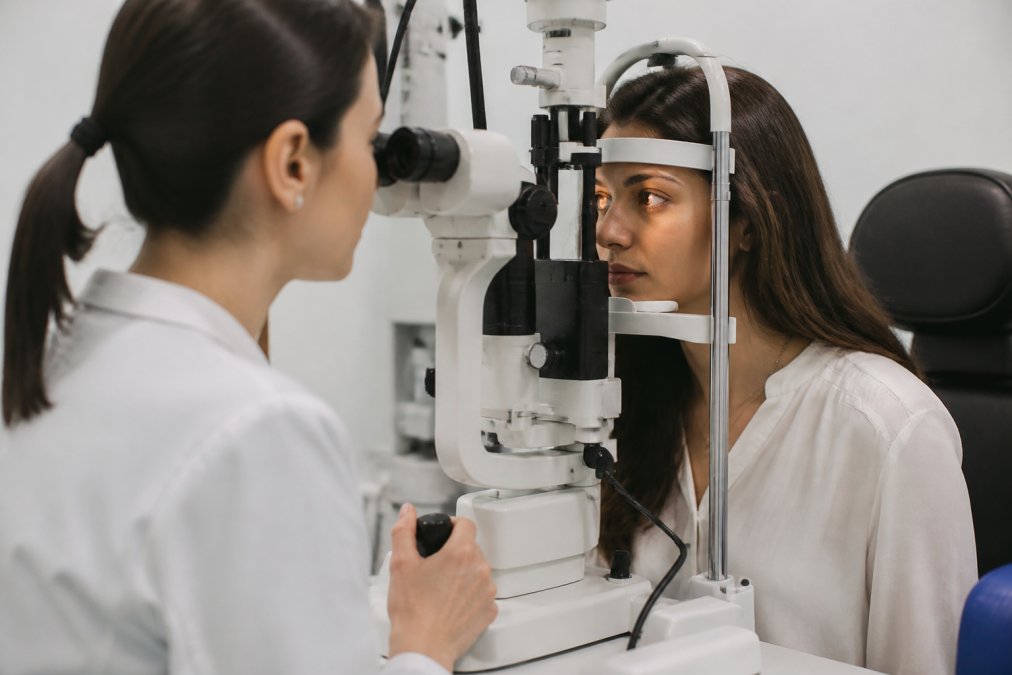
Start with a comprehensive eye exam that goes beyond just reading the eye chart. Your eye care provider needs to evaluate your tear film quality, cornea shape, eyelid structure, and how your current lenses interact with your eye. If you haven’t had a fitting in the last two years, your cornea shape or prescription may have changed enough to affect comfort.
During the fitting, be specific about what’s uncomfortable. Describe when it happens and what it feels like. These details help your provider select the right material and fit.
Test multiple lens types and materials
Ask your provider for trial lenses in at least two different materials. If you’re currently wearing traditional hydrogel, try silicone hydrogel. If you’ve only tried soft lenses, ask about scleral lenses if your discomfort suggests they might help.
Wear each trial lens for at least three days in your normal environment. Rate your comfort on a simple scale with notes about what time of day comfort changes. If a lens feels right after a week, ask about ordering a full supply.
Optimize your lens care routine
Use fresh solution every time, never top off old solution in your case. Replace your lens case every three months, as cases harbor bacteria even with proper cleaning.
If you use rewetting drops, choose ones specifically formulated for contact lens wearers. Systane Ultra Lubricant Eye Drops are formulated for contact lens compatibility and provide fast relief if your lenses feel dry during the day.
If you have persistent dry eye, discuss it with your provider. You might benefit from prescription dry eye treatment in addition to choosing a better lens material.
Finding comfortable contact lens alternatives requires patience and professional guidance, but the payoff is significant. When your lenses feel right, you stop thinking about them and just enjoy clear vision. Clear Vision San Antonio offers comprehensive contact lens fitting services, advanced lens options including scleral lenses, and the expertise to diagnose why your current lenses aren’t working. Whether you need a material change, a fit adjustment, or an entirely different vision correction approach like LASIK or ICL, our team can help you achieve the clear vision and comfort you deserve. Request an appointment to explore your options.
| Lens Type | Best For | Key Advantage | Primary Consideration |
|---|---|---|---|
| Daily disposable soft | General wear, dry eyes | Fresh lens daily, no deposits | Slightly higher cost |
| Monthly silicone hydrogel | Extended comfortable wear | High oxygen permeability | Requires disciplined cleaning |
| Scleral lenses | Severe dry eye, irregular corneas | Exceptional comfort, hydration | Complex fitting, higher cost |
| Ortho-K overnight lenses | Daytime freedom, myopia control | No daytime lenses worn | Nightly commitment required |
| LASIK surgery | Permanent correction | Long-lasting vision improvement | Initial dry eye possible |
| ICL surgery | High prescriptions, thin corneas | Reversible, no dry eye risk | Higher cost than LASIK |
EXTERNAL CITATIONS:
The challenges of contact lens comfort are well-documented across eye care literature. According to the American Academy of Ophthalmology’s guidance on contact lens complications, protein and lipid deposits remain among the most common causes of lens-related discomfort. Research from the Contact Lens and Anterior Eye journal on silicone hydrogel performance demonstrates that oxygen permeability directly correlates with corneal health and wearing comfort. Additionally, the FDA’s contact lens safety information emphasizes the importance of professional fitting and proper lens care in preventing discomfort and complications.
Frequently Asked Questions
What can I use instead of contact lenses if they are uncomfortable?
Several alternatives exist for uncomfortable contact lenses. Scleral lenses vault over the cornea and create a fluid reservoir, offering exceptional comfort for dry eyes and irregular corneas. Orthokeratology uses specially designed lenses worn overnight to reshape the cornea, providing daytime vision without lenses. For permanent correction, LASIK reshapes the cornea, while ICL surgery implants a lens inside the eye, both eliminate the need for contacts entirely. Prescription eyeglasses remain a reliable option, and blue light blocking glasses can reduce digital eye strain if screen time is your concern.
What are the most common causes of contact lens discomfort?
Discomfort typically stems from protein deposits and lipid buildup on lenses, especially with extended wear schedules. Dry eye syndrome is a major culprit, as contact lenses reduce tear film stability and oxygen permeability to the cornea. Incorrect base curve or lens diameter affects how the lens sits on your eye. Material incompatibility matters too, some people experience better comfort with silicone hydrogel lenses that allow more oxygen flow. Digital eye strain from screen time and insufficient blinking worsen discomfort. A professional fitting can identify which factor applies to you.
Are there specific contact lens materials better for dry eyes?
Silicone hydrogel materials offer superior oxygen permeability, allowing more oxygen to reach the cornea and reducing the dry eye symptoms that traditional hydrogel lenses can trigger. However, water content alone doesn't determine comfort, high water content can paradoxically worsen dryness as the lens material draws moisture from your eye. Scleral lenses are exceptional for severe dry eye because they vault over the cornea entirely and maintain a fluid-filled reservoir throughout wear. Rewetting drops formulated for contact lens wearers can also improve comfort with any material. Your eye care professional can recommend the best material based on your tear film stability and corneal health.
How do I know if my contact lenses are the wrong material?
Signs of material incompatibility include persistent dryness, redness, or irritation that doesn't improve with rewetting drops, discomfort that worsens as the day progresses, or a scratchy sensation even after cleaning. If you experience these symptoms after a few weeks of consistent wear, the material may not suit your eyes. Some people tolerate daily disposables better than monthly lenses because fresh lenses lack protein buildup. Others find silicone hydrogel more comfortable than standard hydrogel due to oxygen permeability differences. A professional fitting appointment is essential, your optometrist or ophthalmologist can evaluate your tear film, corneal shape, and eye health to recommend materials with better biocompatibility for your specific needs.
This article was written using GrandRanker