
Table of Contents
- Overview: What Clear Vision San Antonio Offers
- How to Choose a Medical Provider for Your Eye Health Needs
- Core Services and Surgical Expertise
- Specialist Referral Process in Texas and Access to Care
- Patient Experience and What to Expect
- Technology, Credentials, and Treatment Approach
- Insurance, Costs, and Scheduling
- Conclusion
Last Updated: August 26, 2026
Overview: What Clear Vision San Antonio Offers
When experiencing vision changes, whether cataracts, presbyopia, or chronic eye conditions, choosing the right eye care provider is critical. Clear Vision San Antonio combines advanced surgical technology with personalized attention, serving adults in the region who demand both expertise and individual care.
The practice specializes in comprehensive medical exams for early disease detection, LASIK and refractive surgery for those seeking freedom from corrective lenses, and advanced cataract surgery with premium lens implants. What distinguishes this practice is integration of these services under one roof, ensuring coordinated, continuous care, particularly important for patients with diabetes, hypertension, or other systemic conditions affecting eye health.
How to Choose a Medical Provider for Your Eye Health Needs
Selecting an eye care provider differs fundamentally from choosing general healthcare. Your eyes are irreplaceable, and decisions about surgery, lens implants, and treatment carry permanent consequences.
Start by assessing the provider‘s scope of expertise. Clear Vision San Antonio operates across the full spectrum, offering diagnostic and surgical services. This breadth matters because your ophthalmologist can evaluate whether your vision problem is best solved with glasses, contact lenses, LASIK, or a more advanced procedure. A provider offering only one treatment modality has an inherent financial incentive to recommend it, regardless of whether it’s optimal for you.
Evaluate the provider’s willingness to discuss trade-offs honestly. LASIK might give excellent distance vision but require reading glasses. A premium multifocal lens implant might reduce your need for glasses but introduce subtle glare in certain lighting. A provider who explores these nuances rather than overselling a single approach is more likely to deliver results matching your actual lifestyle and expectations.
Consider logistics of care. Eye conditions often require follow-up visits for post-surgical monitoring or medication adjustment. A practice with convenient scheduling, extended hours, or telehealth options reduces friction in ongoing care. Finally, verify that the provider accepts your insurance and can clearly explain coverage and out-of-pocket costs.
Core Services and Surgical Expertise
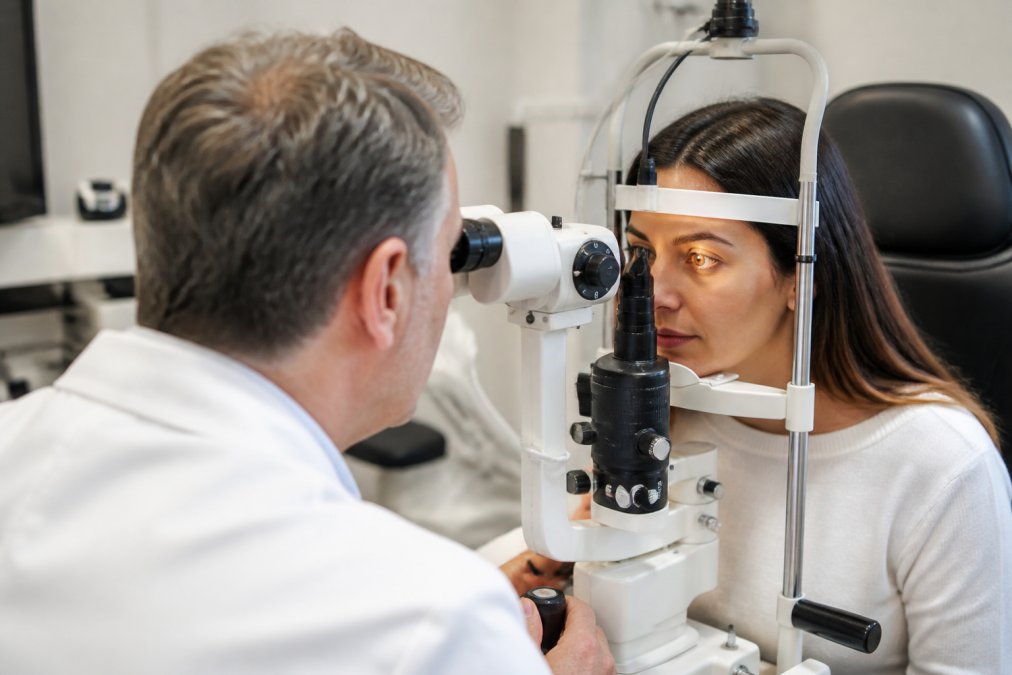
Clear Vision San Antonio offers services addressing vision problems at different life stages and severity levels.
LASIK and Refractive Surgery
LASIK reshapes the cornea using an excimer laser to correct nearsightedness, farsightedness, and astigmatism, aiming to eliminate or significantly reduce dependence on glasses or contact lenses. However, trade-offs matter. LASIK works best for patients with moderate refractive errors and healthy corneal thickness (the FDA). Some patients experience halos around lights or glare in low-light conditions, particularly in the first few months after surgery.
Clear Vision San Antonio uses customized treatment protocols based on your individual prescription and corneal topography, increasing the likelihood of optimal outcomes. An honest conversation before surgery should include discussion of these possibilities and actual incidence rates.
Cataract Surgery with Advanced Lens Options
Cataracts develop when the lens inside your eye becomes cloudy, typically from aging. Cataract surgery removes the clouded lens and replaces it with an artificial intraocular lens (IOL). The procedure itself is highly successful with low complication rates.
Clear Vision San Antonio offers several lens options:
- Monofocal lenses provide clear vision at one distance (typically distance). You’ll still need reading glasses for near work.
- Multifocal lenses aim to provide functional vision at multiple distances. Some patients perceive subtle glare or halos, particularly at night.
- Toric lenses correct astigmatism in addition to the cataract, reducing your need for glasses post-surgery.
- Light Adjustable Lens (LAL) allows post-surgery lens power adjustment using UV light, enabling fine-tuning in the weeks after surgery.
The decision depends on your lifestyle, visual priorities, and tolerance for trade-offs. If your cataracts are mild and your vision is adequate for your needs, waiting is reasonable. If cataracts are beginning to limit your independence or quality of life, surgery offers a straightforward solution.
Comprehensive Medical Eye Exams
A comprehensive medical eye exam is more thorough than a simple refraction exam. It includes detailed assessment of eye health, disease screening, and evaluation of how your eyes function as a whole system.
During a comprehensive exam at Clear Vision San Antonio, you can expect measurement of eye pressure to screen for glaucoma, retinal imaging or dilated examination to visualize the back of the eye, visual field testing to assess peripheral vision, and evaluation of the cornea and lens. This depth of assessment is essential for early detection of eye diseases. Many serious conditions, glaucoma, diabetic retinopathy, macular degeneration, develop without symptoms in their early stages (peer-reviewed research). Regular comprehensive exams catch these conditions early, when treatment can preserve vision effectively.
For patients with diabetes or hypertension, comprehensive exams are particularly critical. These systemic conditions directly affect eye health.
Specialized Care for Chronic Conditions
Chronic eye conditions, glaucoma, diabetic retinopathy, macular degeneration, dry eye syndrome, require ongoing management, not just a single intervention.
Glaucoma is characterized by elevated intraocular pressure that damages the optic nerve. Early detection through regular eye pressure measurement and visual field testing allows treatment with eye drops or laser procedures to slow progression. Diabetic retinopathy develops when high blood sugar damages blood vessels in the retina. Management involves both tight glycemic control and regular monitoring by your eye care provider.
Macular degeneration, the leading cause of vision loss in older adults, has no cure (the NIH). Management focuses on slowing progression and helping you adapt to vision loss. Dry eye syndrome, chronic and frustrating, often resists simple solutions. Clinical management at Clear Vision San Antonio involves identifying the underlying cause and addressing it specifically.
Specialist Referral Process in Texas and Access to Care
If your primary eye care needs exceed what your local optometrist can provide, or if your condition requires subspecialty expertise, you’ll likely need a referral to an ophthalmologist. In Texas, the referral process varies depending on your insurance plan.
For patients with insurance plans requiring referrals, your primary care physician or optometrist initiates the referral to a specialist. This process typically takes a few days to a week. Some plans allow self-referral to in-network specialists without a primary care provider’s involvement. If you’re uninsured or paying out-of-pocket, you can schedule directly with a specialist practice.
Clear Vision San Antonio accepts most major insurance plans, which simplifies access for insured patients. The practice can verify your coverage and explain what your plan covers before your visit, reducing surprises at the time of service.
Patient Experience and What to Expect

The experience of receiving care shapes how you feel about your eye health and your willingness to return for necessary follow-up.
When you arrive for your first appointment at Clear Vision San Antonio, expect a detailed intake process. The team will gather your complete medical history, ask about your vision concerns and goals, and discuss any previous eye surgeries or treatments.
The clinical examination involves multiple steps: refraction, eye pressure measurement, dilated retinal examination, and specialized testing depending on your condition. The entire process typically takes 60 to 90 minutes for a comprehensive exam. This length reflects the thoroughness necessary to evaluate your eyes properly.
For surgical procedures, the experience begins with detailed pre-operative counseling. A good practice explores your expectations, discusses realistic outcomes, and addresses your specific concerns. Post-operative follow-up is equally important. After LASIK, you’ll have visits at one day, one week, one month, three months, and six months to monitor healing. After cataract surgery, you’ll need visits to check incision healing, measure your vision with the new lens implant, and adjust any glasses prescription.
Technology, Credentials, and Treatment Approach
The quality of eye care depends partly on available technology and partly on the expertise of the provider using it. Advanced diagnostic equipment, corneal topography systems, optical coherence tomography (OCT) scanners, and visual field analyzers allow earlier disease detection and more precise surgical planning.
Clear Vision San Antonio emphasizes advanced technology lens implants and customized treatment protocols. The Light Adjustable Lens, for example, allows post-operative refinement of your vision, reducing the risk of under- or over-correction.
Regarding credentials: ophthalmologists complete medical school, a four-year ophthalmology residency, and often additional fellowship training. Board certification by the American Board of Ophthalmology indicates that a physician has met rigorous standards of training and passes a comprehensive examination. The treatment approach at Clear Vision San Antonio emphasizes personalized attention and individualized treatment plans.
Insurance, Costs, and Scheduling
Understanding the financial aspects of eye care before committing to treatment reduces stress and prevents surprises.
Most comprehensive eye exams are covered by insurance plans, typically with a copay or coinsurance. Surgical procedures have more variable coverage. LASIK and refractive lens exchange are elective procedures not typically covered by insurance. Cataract surgery is usually covered by insurance when medically necessary, but insurance often covers only the cost of a basic monofocal lens implant. If you choose a premium lens implant like a multifocal or Light Adjustable Lens, you’ll pay the difference out-of-pocket.
Clear Vision San Antonio should provide transparent pricing and explain what your insurance covers and what you’ll pay. Request a detailed cost estimate before scheduling surgery. Ask specifically about any fees beyond the surgery itself: facility fees, anesthesia fees, post-operative visit fees.
For scheduling, ask about appointment availability, wait times for new patients, and how the practice handles urgent issues.
Choosing an eye care provider affects your quality of life and long-term vision health. Clear Vision San Antonio distinguishes itself through advanced surgical technology, comprehensive diagnostic capabilities, and a commitment to personalized attention. The practice offers the full spectrum of eye care services, from routine exams to complex surgical procedures, under one roof, simplifying care coordination for patients with multiple vision needs or systemic conditions affecting eye health.
If you’re experiencing age-related vision changes, managing a chronic eye condition, or considering elective vision correction, Clear Vision San Antonio provides the expertise and technology to evaluate your options thoroughly and execute your chosen treatment with precision. Request an appointment to discuss your specific vision needs and explore which treatment approach aligns best with your goals and lifestyle.
Frequently Asked Questions
What services does Clear Vision San Antonio provide?
Clear Vision San Antonio offers a comprehensive range of ophthalmological services including LASIK eye surgery, cataract surgery with advanced lens implants, refractive lens exchange, comprehensive medical eye exams, retina care, glaucoma treatment, and dry eye management. Their physicians provide both surgical and medical solutions tailored to individual patient needs, from routine preventive exams to complex surgical procedures.
How do I know if I'm a good candidate for LASIK at Clear Vision San Antonio?
LASIK is ideal for individuals seeking to correct refractive errors like nearsightedness, farsightedness, or astigmatism and reduce dependence on glasses or contact lenses. However, candidacy depends on corneal thickness, eye health, and prescription stability. A comprehensive medical eye exam at Clear Vision San Antonio will determine whether LASIK or an alternative procedure like PRK or refractive lens exchange is right for you.
How do I choose a medical provider for specialized eye care?
When selecting an eye care provider, consider physician credentials and board certification, range of services offered, experience with your specific condition, technology and equipment available, patient reviews and satisfaction, and whether they accept your insurance. Clear Vision San Antonio combines expert eye doctors, advanced technology lens implants, and personalized patient attention, factors that distinguish quality ophthalmological care.
What is the specialist referral process in Texas for eye care?
In Texas, you can typically access specialist eye care directly or through a referral from your primary care physician. Many insurance plans allow self-referral to ophthalmologists, while others require primary care authorization. Clear Vision San Antonio accepts patients with and without referrals. Contact their office to verify your insurance requirements and schedule a consultation for specialized eye care or surgical evaluation.
Does Clear Vision San Antonio have experience managing diabetic eye disease?
Yes, Clear Vision San Antonio provides comprehensive retina care, including diagnosis and treatment of diabetic eye disease. Patients with diabetes require specialized monitoring to detect and manage diabetic retinopathy early, before vision loss occurs. Their advanced diagnostic tools and personalized treatment plans are designed to preserve retinal health in patients with diabetes and other chronic conditions affecting vision.
This article was written using GrandRanker