
Table of Contents
- Why Daily Diabetic Eye Health Management Matters
- How Often Should Diabetics Get Eye Exams
- Recognizing Diabetic Retinopathy Symptoms Early
- Blood Glucose and Blood Pressure Control for Vision Protection
- Foods for Diabetic Eye Health and Antioxidant Protection
- Daily Habits That Protect Your Vision
- Understanding Your Eye Exam Results
- Managing the Emotional Impact of Diabetic Eye Disease
Last Updated: August 5, 2026
Why Daily Diabetic Eye Health Management Matters
Managing diabetic eye health daily is one of the most overlooked aspects of diabetes care, yet one of the most consequential. When blood glucose levels stay elevated over time, they damage the tiny blood vessels in your retina, causing diabetic retinopathy. This damage often develops silently, you won’t feel it happening, and you may not notice symptoms until significant vision loss has already occurred.
Uncontrolled diabetes is the leading cause of preventable blindness in working-age adults in the United States. But early detection and consistent daily management can prevent or dramatically slow progression. The difference between someone who loses vision and someone who maintains clear sight often comes down to whether they caught the problem early and committed to daily protective habits.
At Clear Vision San Antonio, we work with patients who understand that managing diabetic eye health daily isn’t something you do once a year at an eye exam. It’s a continuous practice built into your everyday routine: how you monitor your blood glucose, what you eat, how active you are, and how you manage stress. This guide walks you through exactly what that daily management looks like.
How Often Should Diabetics Get Eye Exams
Diabetics should get a comprehensive dilated eye exam at least once a year, and more frequently if their eye doctor recommends it. If you’ve already been diagnosed with diabetic retinopathy or macular edema, your ophthalmologist may schedule exams every three to six months to monitor progression and adjust treatment.
Frequency depends on several factors: how long you’ve had diabetes, how well controlled your blood glucose is, whether you have other risk factors like high blood pressure or high cholesterol, and whether you already show signs of retinal damage. Someone with newly diagnosed diabetes and excellent glucose control might need annual exams. Someone with a 20-year history of inconsistent blood glucose levels and early-stage retinopathy needs more frequent monitoring.
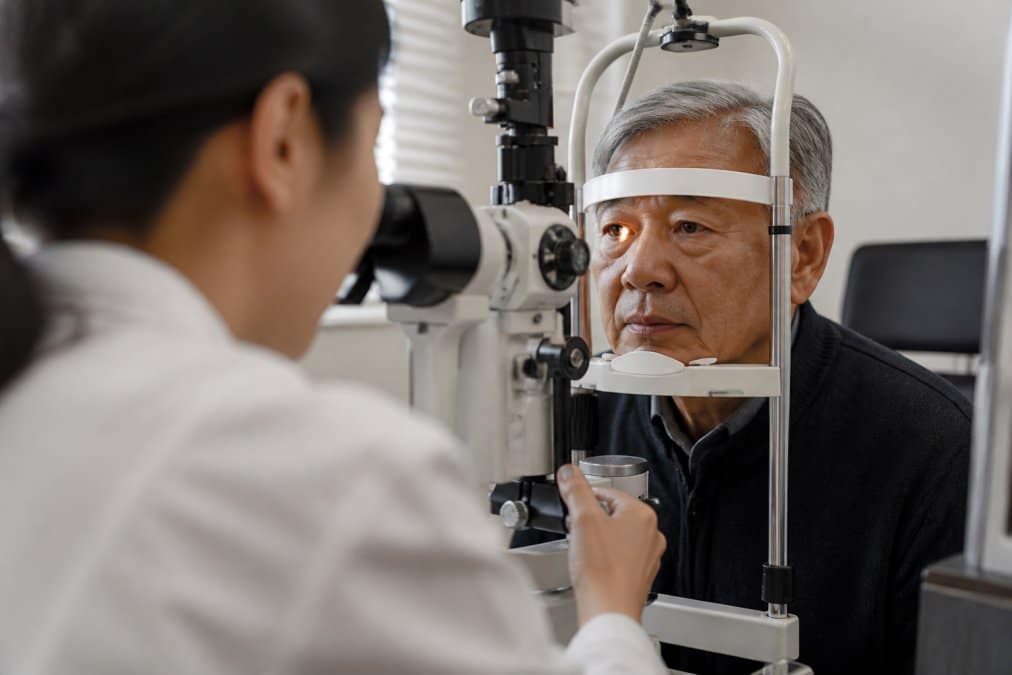
Why annual at minimum? Because diabetic retinopathy often has no symptoms in its early stages. You could have significant retinal damage and feel completely fine. A dilated eye exam, where your eye doctor uses drops to widen your pupils and examine the back of your eye, is the only way to catch it before it threatens your vision. The exam takes about 30 minutes and is painless, though your vision will be blurry for a few hours afterward.
Mark your calendar now. Set a phone reminder. Make it non-negotiable.
Recognizing Diabetic Retinopathy Symptoms Early
Diabetic retinopathy often progresses without any noticeable symptoms in its early stages. This is why regular eye exams are critical, your eye doctor can see changes in your retina before you feel them. But as the disease advances, symptoms do emerge, and recognizing them is essential for seeking immediate care.
Common Warning Signs to Watch For
Several vision changes should trigger an immediate call to your eye doctor. A sudden increase in floaters (small dark spots or lines that drift across your field of vision), especially if accompanied by flashing lights, may signal bleeding in the eye from damaged blood vessels. Blurry or distorted vision, where straight lines appear wavy or objects look bent, often indicates macular edema, a swelling of the macula responsible for sharp central vision. Dark or empty areas in your vision (scotomas) mean that part of your retina isn’t receiving adequate blood flow.
Difficulty reading or recognizing faces, even with your current glasses prescription, suggests central vision loss. Seeing colors as faded or washed out, or noticing that reds appear less vibrant, can indicate bleeding in the eye. Pain or pressure in the eye is never normal and demands immediate attention, as these symptoms can indicate advanced complications like neovascular glaucoma.
When to Contact Your Eye Doctor
Call your ophthalmologist immediately if you experience any of the symptoms above. Don’t wait for your next scheduled appointment. If you can’t reach your regular eye doctor, go to an urgent care center or emergency room. Vision loss can progress quickly once symptoms appear, and early intervention can make the difference between preserving sight and losing it.
Between appointments, keep a simple log if you notice any visual changes. Note the date, what you saw, how long it lasted, and whether it’s getting worse. This information helps your eye doctor assess whether something is changing.
Blood Glucose and Blood Pressure Control for Vision Protection
The relationship between blood glucose control and eye health is direct and measurable. High blood glucose damages the delicate blood vessels in your retina by making them weak and leaky, thickening vessel walls, and triggering inflammation. Over years, this damage accumulates into diabetic retinopathy.
Better glucose control slows or stops this progression. Maintaining your HbA1c (a measure of your average blood glucose over three months) below 7% significantly reduces your risk of developing or worsening retinopathy. This isn’t about perfection, it’s about consistency. Frequent high blood glucose spikes are more damaging than a slightly elevated average that remains stable. Work with your diabetes care team to establish realistic targets and a management plan you can sustain.
Blood pressure control is equally critical. High blood pressure accelerates damage to retinal blood vessels. If you have diabetes, your target blood pressure is typically below 130/80 mmHg. If your blood pressure is above this, discuss treatment options with your primary care doctor. Many people manage blood pressure through a combination of medication, reduced sodium intake, regular physical activity, and stress management.
Cholesterol levels matter too. High LDL cholesterol contributes to plaque buildup in blood vessels, including those in the retina. Work toward an LDL below 100 mg/dL, or below 70 mg/dL if you have additional cardiovascular risk factors.
Foods for Diabetic Eye Health and Antioxidant Protection
What you eat directly affects your eye health. Certain nutrients protect your retina from oxidative damage, where unstable molecules called free radicals damage retinal cells. Antioxidants neutralize these free radicals and slow that damage.
Key Nutrients and Vision-Protecting Foods
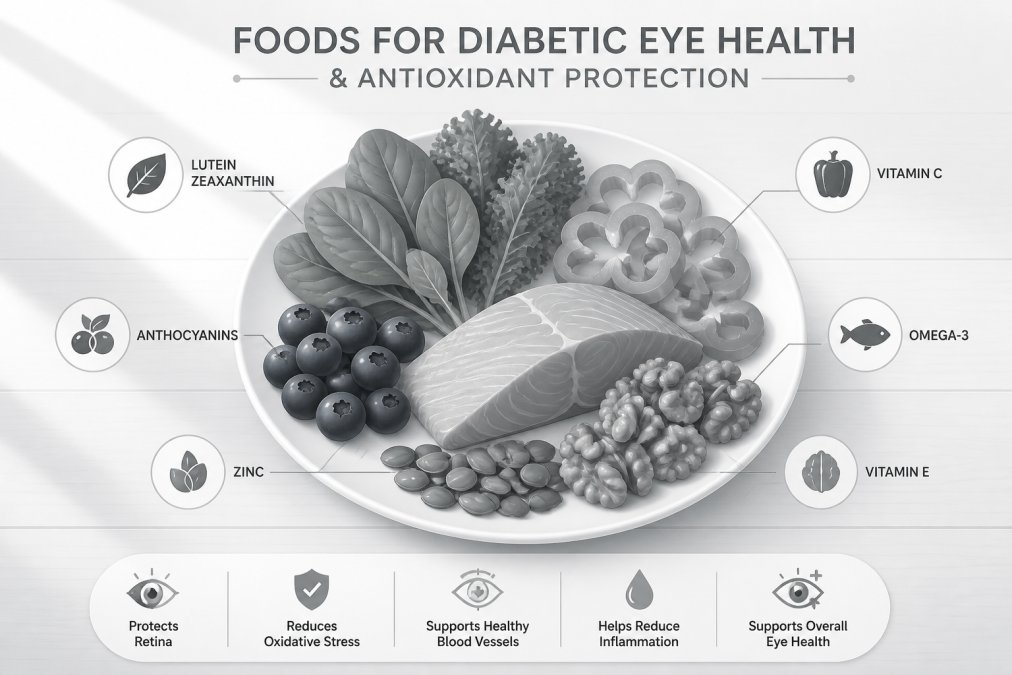
Lutein and zeaxanthin are carotenoid pigments that accumulate in the macula and filter harmful blue light. They’re found abundantly in dark leafy greens: spinach, kale, collard greens, and mustard greens. Aim to include a serving of leafy greens in at least one meal daily.
Omega-3 fatty acids reduce inflammation in the retina and support vascular health. Fatty fish like salmon, mackerel, sardines, and trout are excellent sources. Aim for at least two servings of fatty fish per week. If you don’t eat fish, consider plant-based sources like ground flaxseed, chia seeds, or walnuts, though fish provides the more active form directly.
Vitamin C and vitamin E are powerful antioxidants. Citrus fruits, berries (especially blueberries), bell peppers, and broccoli are rich in vitamin C. Nuts, seeds, and vegetable oils provide vitamin E. Blueberries contain anthocyanins, flavonoid compounds with strong antioxidant properties specifically beneficial for retinal health.
Zinc supports the health of photoreceptor cells in your retina. Oysters contain more zinc per serving than any other food, but beef, pumpkin seeds, and chickpeas are solid sources. Aim for 8-11 mg of zinc daily.
Practical Meal Planning Tips
Start by building one nutrient-rich meal per day. Choose a protein source (fish, lean poultry, legumes), add a generous portion of vegetables (especially dark leafy greens or colorful options like peppers and carrots), and include a healthy fat (olive oil, avocado, nuts, or seeds).
Snacking matters. Instead of crackers or processed snacks, choose a handful of almonds, a small apple with almond butter, or a small container of berries. These provide antioxidants and stabilize your blood glucose better than refined carbohydrates.
Meal prep one day per week. Cook a batch of grilled salmon, roast a tray of vegetables, and prepare a large salad with mixed greens. When these are ready in your refrigerator, you’re more likely to build healthy meals throughout the week.
Reduce refined carbohydrates and added sugars. These cause rapid blood glucose spikes that damage retinal blood vessels. Read labels for added sugars (aim for less than 25 grams per day for women, 36 grams for men). Choose whole grains over white bread and rice.
Limit sodium to support blood pressure management. Cook at home when possible, and use herbs and spices for flavor instead of salt.
Daily Habits That Protect Your Vision
Beyond diet and glucose control, several daily practices directly protect your retinal health.
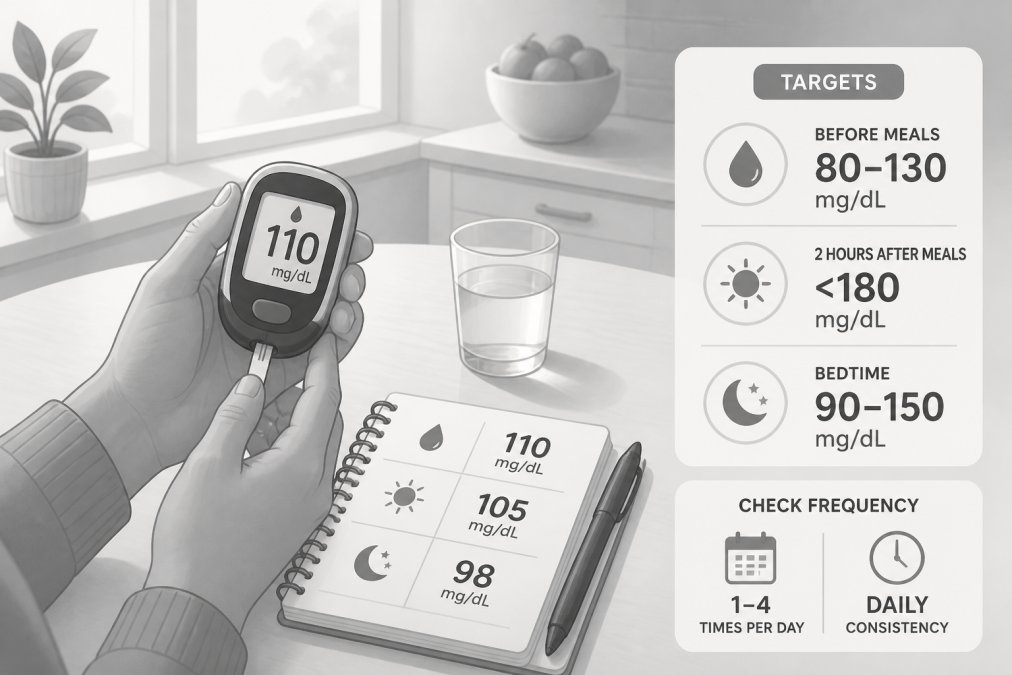
Monitor your blood glucose consistently. Checking your glucose levels gives you real-time feedback about how your meals, activity, stress, and medications affect your blood sugar. Stable glucose means less damage to your retinal blood vessels. Use a continuous glucose monitor (CGM) if your doctor recommends it.
Move your body regularly. Physical activity improves insulin sensitivity, helps regulate blood glucose, lowers blood pressure, and reduces inflammation. A 30-minute walk most days of the week is sufficient.
Manage stress intentionally. Chronic stress elevates cortisol, which impairs glucose metabolism and increases blood glucose levels. Find a stress management practice that works for you: meditation, deep breathing exercises, yoga, time in nature, or creative hobbies. Even 10 minutes daily makes a measurable difference.
Protect your eyes from UV damage. Wear sunglasses that block 99-100% of UVA and UVB rays whenever you’re outdoors. UV exposure increases your risk of cataracts, which develop earlier in people with diabetes.
Sleep adequately. Aim for 7-9 hours per night. If you have sleep apnea, treating it improves both your glucose control and your eye health.
Avoid smoking entirely. Smoking accelerates retinal damage, increases your risk of cataracts and glaucoma, and makes it harder to control your blood glucose.
Take your medications exactly as prescribed. Consistency matters. Missing doses allows these conditions to worsen, directly increasing damage to your eyes.
Understanding Your Eye Exam Results
After your dilated eye exam, your ophthalmologist will discuss findings with you. Understanding what they’re telling you helps you recognize how serious your situation is and what steps you need to take.
If your results show no diabetic retinopathy, that’s excellent news. Your glucose and blood pressure control are working. Continue your current management strategy, keep your annual appointments, and report any vision changes immediately.
If your exam shows nonproliferative diabetic retinopathy (NPDR), small blood vessels in your retina are leaking and showing early signs of damage, but new abnormal blood vessels haven’t grown yet. The focus shifts to aggressive management: tighter glucose control, blood pressure management, and possibly additional eye imaging (optical coherence tomography, or OCT) to check for macular edema. Your follow-up schedule will likely move to every 3-6 months.
Proliferative diabetic retinopathy (PDR) means new abnormal blood vessels have grown on the surface of your retina. These vessels are fragile and prone to bleeding, which can cause sudden vision loss. PDR requires prompt treatment, usually laser photocoagulation or anti-VEGF injections. Treatment can preserve your remaining vision, but it cannot restore vision that’s already been lost.
Macular edema means fluid has accumulated in the macula, causing swelling that blurs your central vision. This requires treatment, which may include anti-VEGF injections, corticosteroid injections, or laser treatment depending on severity.
Ask your eye doctor to explain your results in plain language. Ask whether your condition is stable or progressing. Ask what specific changes in your diabetes management might improve your eye health. Ask when your next appointment should be scheduled.
Managing the Emotional Impact of Diabetic Eye Disease
A diagnosis of diabetic retinopathy or any threat to your vision carries emotional weight. You may feel fear about losing your independence, anger, grief, or anxiety. These feelings are valid and common.
Acknowledge them rather than pushing them aside. Denial or avoidance often leads to skipped appointments or neglected management habits, which worsens the very outcome you’re afraid of. Talk about your concerns with your doctor, your family, or a mental health professional.
Connect with others facing similar challenges. Support groups, whether in-person or online, reduce the sense of isolation and provide practical strategies.
Focus on what you can control. You cannot undo past blood glucose levels, but you can control today’s choices: what you eat, whether you move your body, whether you check your glucose, whether you take your medications. Each day of good management protects your vision going forward.
If anxiety or depression develops, seek professional help. These conditions are treatable, and treatment improves both your mental health and your ability to manage your diabetes effectively.
Managing diabetic eye health daily requires consistent attention to blood glucose, blood pressure, nutrition, and lifestyle habits. Clear Vision San Antonio provides expert ophthalmological care, combining advanced medical technology with a commitment to personalized patient attention. Our team of dedicated eye doctors offers a comprehensive range of services, including LASIK, ICL, cataract surgery, and advanced lens implants, to help you achieve clear vision for life. We serve patients seeking the highest standards of eye health, ensuring each individual receives tailored solutions for their unique visual needs. Request an appointment today to establish a baseline eye health assessment and develop a long-term vision protection strategy designed for your life.
Frequently Asked Questions
What are the early warning signs of diabetic eye disease?
Early diabetic retinopathy symptoms often go unnoticed because vision may not change at first. Watch for blurred or fluctuating vision, floaters (spots drifting across your vision), dark or empty areas in your visual field, and difficulty seeing colors or contrasts. Some people experience no symptoms until significant damage occurs. A dilated eye exam is the only reliable way to detect early changes, which is why regular screening is critical for anyone with diabetes.
How often should diabetics get eye exams?
The American Diabetes Association recommends that adults with type 1 or type 2 diabetes have a comprehensive dilated eye exam at least once per year. If you already have diabetic retinopathy or other eye complications, your ophthalmologist may recommend more frequent exams, sometimes every 3 to 6 months. People newly diagnosed with diabetes should have an eye exam soon after diagnosis. More frequent screening helps catch progression early when treatment is most effective.
Can diabetic retinopathy be reversed with lifestyle changes alone?
Early-stage diabetic retinopathy may improve with aggressive blood glucose and blood pressure control, but advanced stages typically require medical treatment. Tight glycemic control, regular physical activity, a nutrient-rich diet, and smoking cessation can slow progression and reduce the risk of vision loss. However, once significant retinal damage occurs, lifestyle changes alone cannot reverse it. Treatment options like laser therapy or anti-VEGF injections may be necessary. Early detection through regular eye exams makes prevention far more effective than trying to reverse existing damage.
What should I do if my eye exam results show diabetic changes?
If your eye exam reveals diabetic retinopathy or macular edema, your ophthalmologist will explain the stage and recommend a treatment plan tailored to your specific condition. This might include more frequent monitoring, laser treatment, injections, or other interventions. Ask your eye doctor to explain what the findings mean, what risks you face if untreated, and what steps you should take next. Simultaneously, work with your primary care doctor to optimize your blood glucose, blood pressure, and cholesterol levels, as these directly affect disease progression.
This article was written using GrandRanker