
Table of Contents
- Best Eye Doctors in San Antonio: What Sets Them Apart
- Ophthalmologist vs Optometrist: Understanding Your Options
- How to Choose an Eye Doctor in San Antonio
- Cost of Eye Exam in San Antonio and Surgical Procedures
- Comprehensive Eye Care Services: What to Expect
- Top Eye Doctors and Practices in San Antonio
- Patient Reviews and Real Outcomes Matter
- Common Questions Before Choosing Your Eye Doctor
Last Updated: August 4, 2026
Finding the best eye doctors in San Antonio requires understanding specialized services, how different practitioners approach care, and what sets exceptional practices apart. This guide shows you exactly what to evaluate when choosing an eye care provider in the San Antonio area.
Best Eye Doctors in San Antonio: What Sets Them Apart
The difference between a competent eye doctor and an exceptional one comes down to three factors: surgical expertise, advanced diagnostic technology, and patient-centered attention.
Top-tier practices invest in equipment like OCT imaging, corneal topography, and IOL Master systems that enable precise diagnoses before treatment begins. Surgical track record matters equally, practices specializing in high-volume cataract surgery develop refined technique through repetition. Dr. Jake Trinidad at Trinidad Vision has performed thousands of cataract surgeries and maintains a complication rate significantly below the national average. Patient experience completes the picture: reasonable appointment wait times, clear communication about treatment options and costs, and staff that treats patients as individuals.
Ophthalmologist vs Optometrist: Understanding Your Options
An ophthalmologist is a medical doctor (MD or DO) who completes four years of medical school plus three or more years of ophthalmology residency. They perform eye exams, prescribe glasses and contacts, diagnose and treat eye diseases, and perform surgery.
An optometrist completes a four-year Doctor of Optometry degree (OD). They perform comprehensive eye exams, prescribe corrective lenses, and manage common eye conditions like dry eye and glaucoma. However, they cannot perform surgery in most states.
For cataract surgery, corneal transplant, or complex refractive surgery like LASIK, you need an ophthalmologist. For routine exams, contact lens fitting, or management of stable conditions, an optometrist often provides excellent care at lower cost. Many patients benefit from seeing both: an optometrist for routine care and an ophthalmologist when specialized intervention is needed.
How to Choose an Eye Doctor in San Antonio
Selecting the right eye doctor involves evaluating several concrete factors beyond proximity or insurance acceptance.
Specialization Matching: Finding the Right Focus
Your specific vision problem should determine which specialist you see. For cataracts, seek an ophthalmologist with high surgical volume. For LASIK or refractive lens exchange, find a refractive surgeon with hundreds of procedures completed.
San Antonio Eye Specialists highlights fellowship-trained refractive surgeon Dr. Nader Iskander and latest all-laser technology. South Texas Eye Institute emphasizes Dr. Lisa Martén’s advanced fellowship training in cornea and refractive surgery, plus ability to manage complex conditions like keratoconus.
For diabetic eye disease, glaucoma, or macular degeneration, seek practices explicitly stating experience managing these conditions.
| Condition | Specialist Type | Key Qualifications |
|---|---|---|
| Cataracts | Ophthalmologist | High surgical volume, laser cataract experience |
| LASIK/Refractive Surgery | Refractive Surgeon (Ophthalmologist) | Fellowship training, latest technology |
| Glaucoma | Glaucoma Specialist (Ophthalmologist) | Subspecialty training, advanced treatments |
| Diabetic Eye Disease | Ophthalmologist or Optometrist | Experience managing diabetic patients, retinal imaging |
| Dry Eye | Optometrist or Ophthalmologist | Specialized treatments beyond drops |
| Routine Exams & Glasses | Optometrist | Comprehensive exam capability, insurance acceptance |
Insurance Network Compatibility and Payment Options
Verify that the practice participates in your vision insurance plan before scheduling. Some practices offer direct-pay models with transparent pricing. Dr. Kristin S. Held’s practice publishes global fees: $155 for comprehensive eye exam, $1,950 per eye for LASIK, $4,650 per eye for refractive lens exchange.
Ask about these payment specifics:
- Does the practice accept your insurance plan?
- What is the out-of-pocket cost for your specific procedure or exam?
- Are financing plans available?
- Are there package deals for bilateral procedures?
Accessibility, Location, and Convenience Metrics
San Antonio spans a large geographic area. Eye Associates of South Texas operates 11 locations across South Texas, addressing this challenge. Multiple locations mean convenient access for routine follow-ups while accessing specialized surgery at their main facility.
Same-day services matter when you need glasses or contacts quickly. Mi Vision Eye Care offers one-hour eyeglasses for most prescriptions and same-day contact lens fitting.
Cost of Eye Exam in San Antonio and Surgical Procedures
Routine comprehensive eye exams typically range from $100 to $200 without insurance, though Mi Vision Eye Care advertises starting at $129. With insurance, out-of-pocket costs depend on your plan’s copay structure, often $20 to $50.
Cataract surgery without insurance typically ranges from $3,000 to $5,000 per eye, depending on lens implant type. Dr. Kristin S. Held’s practice offers laser cataract surgery with monofocal lens at $1,250 to $2,950 total.
LASIK pricing in San Antonio ranges from approximately $1,950 to $2,500 per eye. San Antonio Eye Specialists charges $2,100 to $2,497.50 per eye with price-match guarantee. Dr. Kristin S. Held charges $1,950 per eye for LASIK and $1,800 per eye for PRK.
Refractive lens exchange costs more; Dr. Kristin S. Held charges $4,650 per eye. Most insurance plans do not cover elective vision correction procedures like LASIK, though they may cover cataract surgery and lens implants.
Comprehensive Eye Care Services: What to Expect
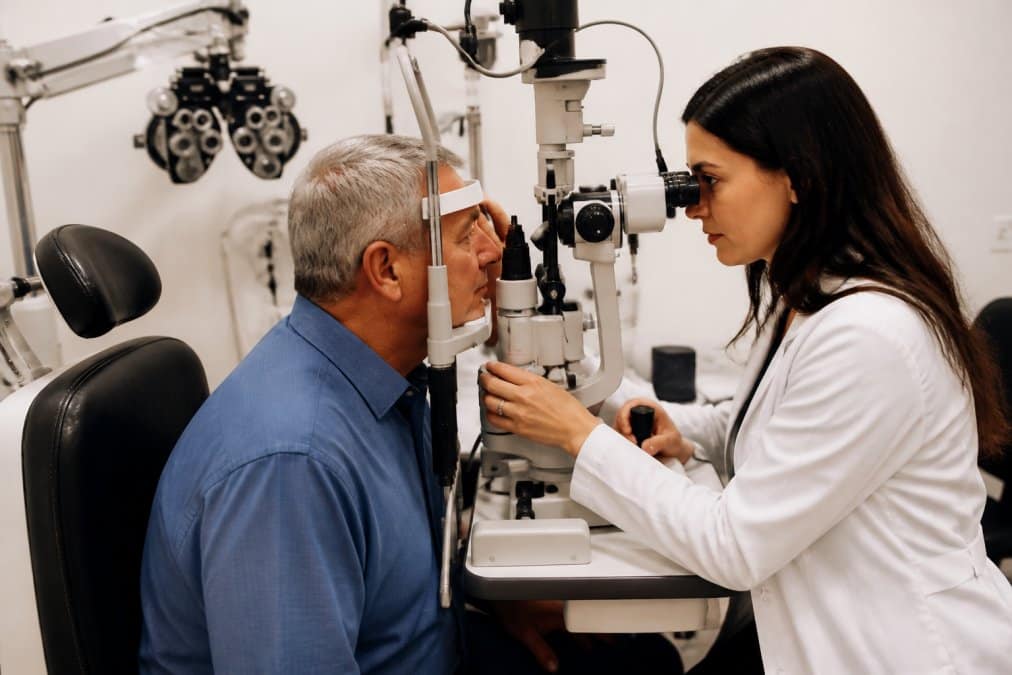
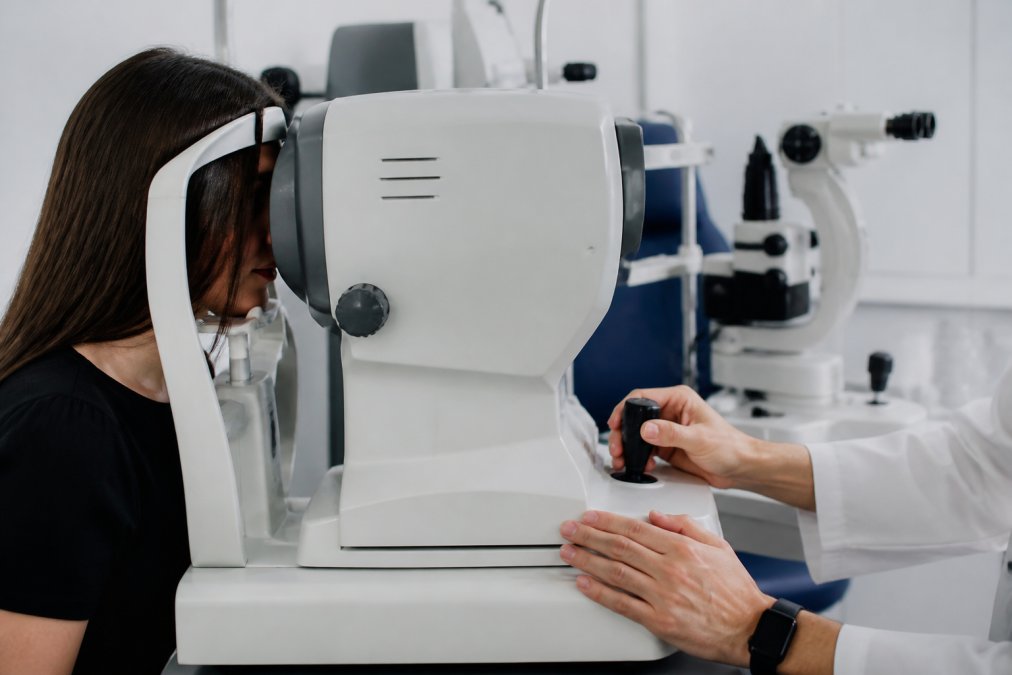
A thorough eye examination includes visual acuity testing, refraction, intraocular pressure measurement, and dilated retinal examination. Advanced practices add optical coherence tomography (OCT) imaging, which creates detailed cross-sectional images of the retina and optic nerve, and corneal topography, which maps corneal curvature. These tools detect early signs of glaucoma, macular degeneration, and diabetic retinopathy before symptoms appear.
Advanced Surgical Technology and Cataract Surgery
Modern cataract surgery uses phacoemulsification: ultrasonic energy breaks up the clouded lens, which is then suctioned out and replaced with an intraocular lens (IOL) implant. The procedure takes about 15 minutes per eye.
Laser-assisted cataract surgery (LACS) uses a femtosecond laser to create a more precise corneal incision and soften the cataract before phacoemulsification, potentially reducing ultrasonic energy and improving healing.
Intraocular lens choices matter significantly. Standard monofocal lenses correct distance vision but require reading glasses. Premium lenses like multifocal or extended depth of focus (EDOF) lenses reduce glasses dependence. Light Adjustable Lenses (LALs) allow post-operative adjustment using light exposure. Trinidad Vision explicitly offers LALs, Toric, monofocal, and multifocal options.
Specialized Management: Glaucoma, Diabetic Retinopathy, and Macular Degeneration
Glaucoma damages the optic nerve, often from elevated intraocular pressure. Early detection is critical because progression typically occurs silently. Management involves regular pressure monitoring, OCT imaging to track optic nerve changes, and visual field testing. Medications, laser treatment, or surgery may control pressure.
Diabetic retinopathy occurs when high blood sugar damages retinal blood vessels. Patients with diabetes require annual eye exams, more frequently if retinopathy is detected. Management ranges from improved blood sugar control to laser treatment or anti-VEGF injections.
Macular degeneration affects the central retina and is a leading cause of vision loss in adults over 60. Wet AMD can cause rapid vision loss. Treatment options include anti-VEGF injections, photodynamic therapy, or laser treatment. Regular OCT monitoring detects progression early.
Post-Op Recovery Expectations After Eye Surgery
Cataract surgery recovery is relatively rapid. Most patients notice vision improvement within days, though final vision stabilizes over 4-6 weeks. You’ll use antibiotic and anti-inflammatory eye drops for several weeks. Strenuous activity should be avoided for 2-3 weeks.
LASIK recovery is faster. Vision typically improves significantly within 24 hours, though it continues refining over 3-6 months. Most patients return to normal activities within a week, though contact sports should wait 1-2 months.
Refractive lens exchange recovery parallels cataract surgery. Healing takes 4-6 weeks. Follow your surgeon’s instructions precisely and attend all scheduled follow-up appointments.
Top Eye Doctors and Practices in San Antonio
Practices Known for Cataract Surgery Excellence
Trinidad Vision stands out for cataract surgery specialization. Dr. Jake Trinidad maintains a complication rate 10 times lower than the national average. The practice offers all modern lens options including Light Adjustable Lenses and assists with insurance verification and financing options.
Eye Associates of South Texas brings extensive experience through Dr. J.T. Kavanagh, who has performed over 25,000 cataract surgeries. The practice offers basic and laser cataract surgeries with premium lens options. With 11 locations across South Texas, they provide convenient access for follow-up care.
San Antonio Eye Specialists combines cataract surgery with refractive expertise. Their facility is accredited with advanced technology like the IOL Master 700.
Refractive Surgery and Vision Correction Specialists
San Antonio Eye Specialists leads in refractive surgery with Dr. Nader Iskander’s fellowship training in refractive and corneal surgery. They use latest all-laser technology and offer free LASIK consultations with transparent pricing.
South Texas Eye Institute offers bladeless LASIK, PRK, and Refractive Lens Exchange. Dr. Lisa Martén’s advanced fellowship training in cornea and refractive surgery, combined with consistently positive patient reviews, positions this practice as a top choice for complex refractive cases.
Dr. Kristin S. Held’s practice uses a transparent direct-pay model with published global fees. This clarity appeals to patients preferring to know exact costs upfront.
Comprehensive General Ophthalmology and Disease Management
Clear Vision San Antonio combines advanced medical technology with personalized patient attention. The practice offers LASIK, ICL, cataract surgery with advanced lens implants, and comprehensive disease management.
Ophthalmology Associates of San Antonio has provided advanced eye care for over 50 years. Specialists in oculoplastics, cornea, glaucoma, and retina ensure comprehensive care across multiple eye diseases.
Alamo Eye Care specializes in complex contact lens needs, particularly scleral lenses for keratoconus. Dr. Frogozo’s expertise in specialty contact lenses and disease management appeals to patients with complex visual needs.
Optometry Practices with Same-Day Services
Mi Vision Eye Care delivers convenience and comprehensive care. One-hour eyeglasses for most prescriptions and same-day eye exams and contact lenses mean you can often walk in and leave with corrected vision the same day. The practice manages ocular diseases including diabetic retinopathy, glaucoma, cataracts, and macular degeneration. As a Latino-owned local Veteran business with Spanish-speaking staff, they serve San Antonio’s diverse population. Over 800+ five-star Google reviews reflect consistent patient satisfaction. Pricing starts at $129 for eye exam and glasses, with contact lens fitting at $85 for soft lenses or $250 for gas permeable lenses.
Patient Reviews and Real Outcomes Matter
When evaluating the best eye doctors in San Antonio, patient experiences provide crucial insight. Practices with consistently high ratings across multiple platforms, Google, Healthgrades, Yelp, demonstrate reliable quality and patient satisfaction.
Trinidad Vision, South Texas Eye Institute, and Mi Vision Eye Care all maintain strong review profiles with patients specifically praising surgical outcomes, staff professionalism, and compassionate care. Look for specific feedback patterns: Do reviews mention wait times? Do patients feel rushed or thoroughly evaluated? Do they report clear communication about costs? Ask potential practices about their complication rates for specific procedures and whether they can provide references from patients with similar vision problems.
Choosing an eye doctor affects your vision health for years to come. The best eye doctors in San Antonio combine clinical expertise with genuine patient-centered care, invest in advanced diagnostic and surgical technology, and maintain transparent communication about treatment options and costs. Clear Vision San Antonio exemplifies this approach, combining advanced technology like premium lens implants with personalized attention to help you achieve clear vision for life. Whether you’re exploring LASIK, managing cataracts, or seeking specialized care for glaucoma or diabetic retinopathy, Clear Vision San Antonio’s commitment to tailored solutions for your unique visual needs positions them as a trusted choice. Request an appointment today to discuss your vision goals with an expert team dedicated to your eye health.
Frequently Asked Questions
What's the difference between an ophthalmologist and an optometrist?
Ophthalmologists are medical doctors who diagnose and treat eye diseases, perform surgery, and prescribe medications and glasses. Optometrists are licensed professionals trained to perform eye exams, prescribe glasses and contact lenses, and diagnose certain eye conditions, but they cannot perform surgery. For complex eye diseases, cataract surgery, glaucoma management, and diabetic retinopathy care, you need an ophthalmologist. For routine vision screening and contact lens fitting, either provider works.
How much does a comprehensive eye exam cost in San Antonio?
Pricing varies by provider and whether you have insurance. Direct-pay practices in San Antonio charge around $155 for a new patient comprehensive exam. Optometry practices with same-day services start around $129 for an exam and glasses. Many providers accept vision insurance, which can reduce your out-of-pocket cost significantly. Contact your chosen eye doctor directly for current pricing and insurance verification, as costs depend on the specific tests and services included.
I have diabetes and need specialized eye monitoring. What should I look for in an eye doctor?
Choose an ophthalmologist with experience managing diabetic retinopathy and ocular complications of diabetes. Ask specifically about their experience with diabetic patients during your consultation. Look for practices that use advanced diagnostic imaging like OCT to detect early changes. Board-certified ophthalmologists with fellowship training in retina or general ophthalmology are well-equipped to monitor and treat diabetes-related eye disease. Many San Antonio practices explicitly mention diabetic eye disease management on their websites.
What should I expect during recovery after cataract surgery?
Most patients experience improved vision within days, though full healing takes 4-6 weeks. Expect mild discomfort, slight blurriness, and sensitivity to light in the first few days. You'll use prescribed antibiotic and anti-inflammatory eye drops as directed. Avoid strenuous activity, swimming, and heavy lifting for 2-4 weeks. Your eye doctor will schedule follow-up visits to monitor healing and ensure your vision is on track. Serious complications are rare, but contact your surgeon immediately if you experience severe pain, sudden vision loss, or signs of infection.
This article was written using GrandRanker