
Table of Contents
- What Sets a Top San Antonio Eye Center Apart
- Clear Vision San Antonio: A Closer Look
- Comparing Leading Eye Centers in San Antonio
- How to Choose: Optometrist San Antonio vs. Ophthalmologist
- LASIK Consultation: What to Expect
- Understanding Cataract Surgery Recovery Timelines
- Navigating Insurance and Payment Options
- Final Verdict: Choosing Your Eye Care Partner
- Frequently Asked Questions
Last Updated: September 6, 2026
Choosing the right san antonio eye center determines how well you see the road ahead, whether you can read without straining, and how confidently you manage conditions like glaucoma or diabetes-related eye disease. This review from Clear Vision San Antonio breaks down what separates a truly exceptional practice from a merely adequate one.
Most patients need a coordinated team, not just one type of doctor. Below, we’ll show you how to evaluate your options and what questions to ask before you schedule.
What Sets a Top San Antonio Eye Center Apart
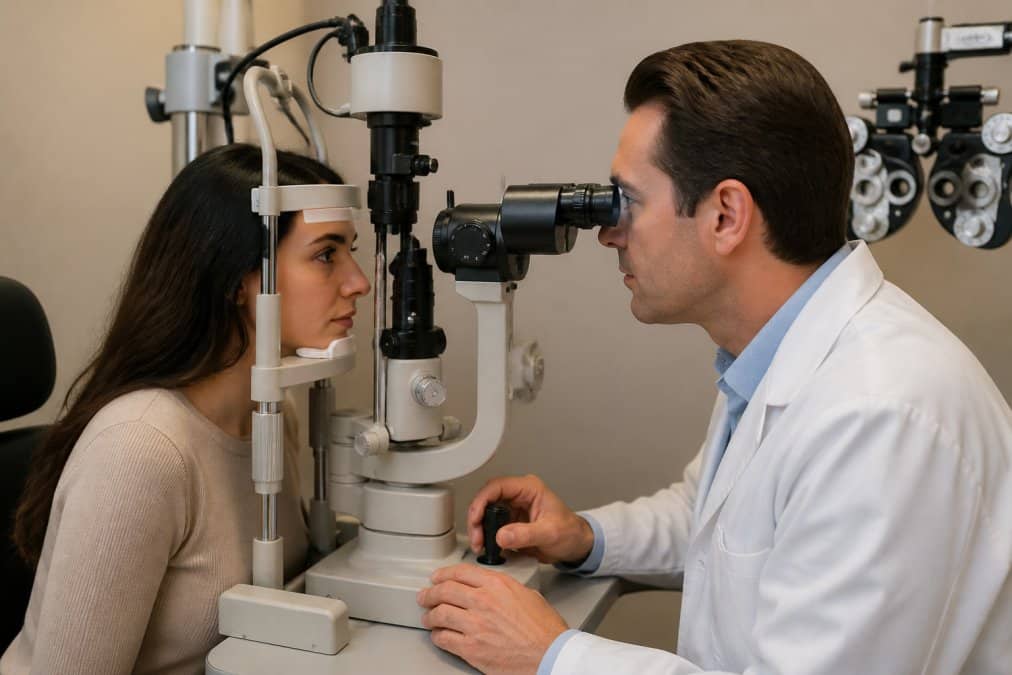
A leading san antonio eye center distinguishes itself through clinical expertise and technology. A practice that only offers routine exams cannot manage a complex cataract case, and a surgical-only center may not provide the ongoing disease management you need for chronic conditions like macular degeneration.
The best centers combine comprehensive eye care with surgical capabilities, meaning your optometrist and surgeon work from the same medical record. This continuity matters most when you are managing multiple issues simultaneously, such as dry eye and early-stage cataracts.
Look for a practice that emphasizes diagnostic testing as part of every exam. Advanced imaging of the retina and optic nerve allows for earlier detection of glaucoma and diabetic changes than a standard vision screening alone (peer-reviewed research).
Clear Vision San Antonio: A Closer Look
Clear Vision San Antonio exemplifies the full-service model, pairing expert eye doctors with advanced technology lens implants across LASIK, ICL, cataract surgery, and refractive lens exchange. For patients over 40, this means you can address both cataracts and your desire to reduce dependence on glasses in a single, coordinated treatment plan.
What stands out is the commitment to personalized attention. Rather than rushing patients through an appointment, the focus is on understanding your lifestyle, visual demands, and anxieties before recommending a path forward. Whether you live in San Antonio or are considering the drive from Eagle Pass, the goal is tailored solutions for your unique needs.
Advanced Technology and Lens Implants
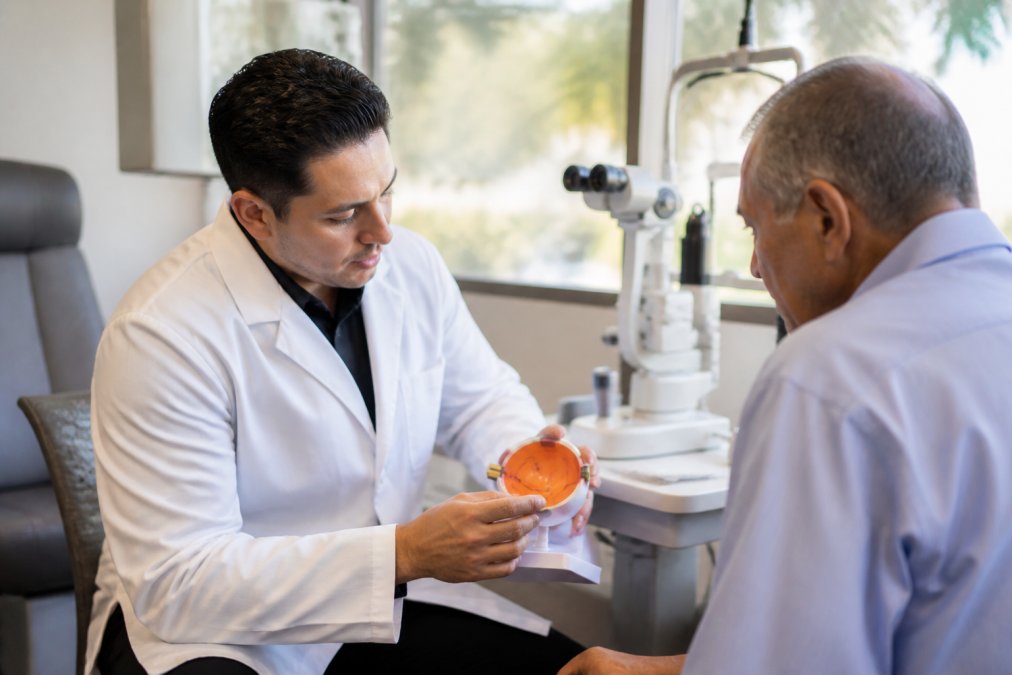
Standard monofocal lenses provide clear vision at one distance, often requiring glasses for reading. Premium lens implants are designed to restore vision across near, far, and intermediate distances, significantly reducing your reliance on corrective eyewear after cataract surgery.
Choosing a center that offers these advanced options is critical. Not every practice has the diagnostic equipment to measure your eye precisely for a premium lens, nor the surgical expertise to place it accurately. When considering cataract surgery, you want a surgical team that offers the full spectrum of lens choices and can advise you honestly on which one matches your lifestyle.
Comparing Leading Eye Centers in San Antonio
When evaluating a san antonio eye center, you are choosing between different care models. Some practices focus exclusively on refractive surgery like LASIK, while others are multi-specialty groups that handle everything from routine exams to complex retinal care.
| Center Type | Primary Focus | Best For | Potential Limitation |
|---|---|---|---|
| Multi-Specialty Group | Full-service medical and surgical eye care | Patients with chronic conditions needing ongoing management | May require booking with different specialists |
| Refractive Surgery Center | LASIK and vision correction procedures | Healthy eyes seeking freedom from glasses | Limited support for complex eye disease |
| Optometry Practice | Routine exams, contact lenses, vision screening | Annual check-ups and prescription updates | Surgical cases require referral to an ophthalmologist |
| Local Ophthalmology Clinic | General medical eye care and surgery | Patients preferring a smaller, community-based practice | May have fewer advanced lens options |
For patients with diabetes or hypertension, a multi-specialty group is often the safest choice. These conditions require specialized monitoring of the retina, and having an ophthalmologist who performs surgery and an optometrist who manages your daily care under one roof simplifies coordination.
How to Choose: Optometrist San Antonio vs. Ophthalmologist
An optometrist is your primary care provider for the eyes, performing routine eye exams, prescribing eyeglasses and contact lenses, and managing conditions like dry eye. An ophthalmologist is a medical doctor who performs surgery and manages complex diseases like glaucoma and retinal detachments (aao.org).
Many patients searching for an optometrist san antonio actually need a practice that offers both. If you have a family history of glaucoma or have been diagnosed with diabetes, your annual exam should include a dilated retinal evaluation. A routine refraction that only checks your prescription is not sufficient for monitoring ocular health.
The right approach is to choose a san antonio eye center that provides seamless internal referrals. If your optometrist spots a suspicious optic nerve during a routine exam, you want to see the ophthalmologist in the same building, with your imaging already on their screen.
LASIK Consultation: What to Expect
A LASIK consultation is a comprehensive screening process, not a quick vision test. It involves a thorough mapping of your cornea, a detailed measurement of your pupil size, and a review of your overall eye health to ensure you are a suitable candidate. It is also your opportunity to discuss realistic outcomes and potential side effects.
Many patients over 40 worry about halos and glare, common concerns with older generation lasers. Modern LASIK platforms have largely addressed these issues, but candidacy depends heavily on your corneal thickness and the specific shape of your eye. The doctor should walk you through your individual risk profile rather than giving you a generic sales pitch.
Be wary of any center that quotes a price for LASIK before completing a full diagnostic evaluation. A reputable practice will require a comprehensive exam to determine if you are a candidate before discussing cost, as thin corneas or large pupils can disqualify you from the procedure.
If you are not a candidate for LASIK, a quality center will offer alternatives like ICL or Refractive Lens Exchange, which can achieve similar outcomes for patients with higher prescriptions or thinner corneas. A practice that offers only one procedure has a financial incentive to make you fit that mold.
Understanding Cataract Surgery Recovery Timelines
Most cataract surgery patients are surprised by how quickly they see improvement, but recovery is a structured timeline with specific milestones and potential setbacks. Here is a realistic, day-by-day breakdown of the typical recovery journey.
Day of Surgery (Day 0)
You will leave the surgical center with a protective plastic shield taped over your eye. Your vision will likely be blurry, and you may experience mild scratchiness, light sensitivity, or a feeling of pressure. The anesthesia typically wears off within a few hours, and most patients manage discomfort with over-the-counter acetaminophen. Do not use ibuprofen or aspirin unless your surgeon clears it, as these can increase the risk of bleeding. Keep the shield on for the entire day, including while napping.
Days 1-3: The Critical Window
At your first post-operative appointment (usually the morning after surgery), the surgeon will check your eye pressure and confirm the lens is positioned correctly. You will be cleared to remove the shield during the day but must wear it while sleeping for the first week. This is the highest-risk period for infection, so strict adherence to your antibiotic and anti-inflammatory eye drop schedule is non-negotiable. Most patients can return to desk work by day 2 or 3, but avoid bending at the waist, lifting anything over 10 pounds, or any activity that causes you to strain. Vision will fluctuate significantly during these first days, this is normal as your eye adjusts.
Days 4-7: The First Milestone
By the end of the first week, most patients notice a dramatic improvement in clarity and color perception. The scratchy sensation should subside, and you can typically resume light exercise like walking. However, avoid swimming, hot tubs, and any activity that could introduce non-sterile water into your eye. You will likely stop the antibiotic drops but continue the anti-inflammatory drops for several more weeks. If you experience sudden pain, flashing lights, or a curtain-like shadow over your vision, call your surgeon immediately, these are signs of a retinal detachment or infection.
Weeks 2-4: Stabilization and Adaptation
During this phase, your brain is adapting to the new lens. If you received a standard monofocal lens, your distance vision may be sharp, but you will likely need reading glasses for near tasks. If you received a premium multifocal or extended-depth-of-focus lens, you may notice halos or starbursts around lights at night, which often diminish over 3-6 months. Your second follow-up typically occurs at the one-month mark, where the surgeon will confirm your eye pressure is stable and your vision has reached its expected baseline. You can usually resume all normal activities, including swimming and heavy exercise, after this visit.
The 3-Month Final Assessment
Full refractive stability is typically achieved by 90 days post-surgery. This is when your surgeon will perform a final refraction to determine if you need prescription glasses for fine-tuning. For patients who chose a monofocal lens set for distance vision, this is when you will be fitted for reading glasses. For those who opted for a premium lens, this appointment confirms whether the visual outcome matches the pre-operative target.
Recovery timelines are not one-size-fits-all. Patients with diabetes, glaucoma, or a history of retinal disease may have slower healing and require more frequent monitoring. Your surgeon will adjust your drop schedule and activity restrictions based on your individual health profile.
A quality san antonio eye center will provide you with a written recovery plan before your surgery date, not just a verbal overview. If a practice cannot articulate this timeline clearly during your consultation, consider that a red flag about their post-operative care coordination.
Navigating Insurance and Payment Options
One of the most frustrating aspects of eye care is deciphering what your insurance actually covers. The confusion stems from a fundamental split: vision insurance and medical insurance are two separate products with different rules, networks, and out-of-pocket structures.
Vision Insurance vs. Medical Insurance: The Core Distinction
Vision insurance (plans like VSP, EyeMed, or Davis Vision) is a routine-care benefit. It typically covers annual eye exams, a portion of the cost for eyeglass frames and lenses, and contact lens fittings. It does not cover surgery, disease treatment, or diagnostic testing for medical conditions.
Medical insurance (plans like Blue Cross Blue Shield, UnitedHealthcare, or Aetna) covers anything considered a medical necessity, including cataract surgery, glaucoma treatment, diabetic retinopathy monitoring, and retinal detachment repair. If you have a condition like dry eye severe enough to require prescription medication, that also falls under medical insurance.
The critical question to ask is: Is this procedure medically necessary or elective?
How to Verify Your Coverage Before Your Consultation
Do not rely on the front desk staff at an eye center to know the specifics of your plan. Insurance contracts vary widely by employer and state. Here is a step-by-step process to verify your coverage:
- Call the number on the back of your insurance card. Do not call the general customer service line for your vision plan if you are asking about surgery, call the medical insurance carrier.
- Ask these exact questions:
- “Is cataract surgery a covered benefit under my medical plan?”
- “What is my deductible and my out-of-pocket maximum for this calendar year?”
- “Are premium lens implants (multifocal or toric) covered, or are they considered a non-covered upgrade?”
- “Do I need a prior authorization or referral from my primary care physician?”
- “Which surgical facilities and anesthesia providers are in-network for this procedure?”
- Get the reference number. Write down the date, time, and the name of the representative you spoke with. If there is a dispute later, this record is your evidence.
The Premium Lens Upgrade Question
This is the single most common source of confusion and unexpected cost. Medicare and most commercial medical plans cover the cost of standard monofocal intraocular lenses (IOLs) and the surgery itself. However, if you choose a premium lens, such as a multifocal lens for near and distance vision, or a toric lens to correct astigmatism, you will be responsible for the difference between the standard lens cost and the premium lens cost, often called the “upgrade fee” or “technology fee.”
This fee is not a hidden charge; it is the actual cost of the more advanced lens technology. This fee is not a hidden charge; it is the actual cost of the more advanced lens technology. Your surgical coordinator should provide you with a written estimate that clearly separates the covered portion from the out-of-pocket upgrade fee before you commit to surgery. Your surgical coordinator should provide you with a written estimate that clearly separates the covered portion from the out-of-pocket upgrade fee before you commit to surgery.
LASIK and Other Elective Procedures: What to Expect
LASIK, PRK, ICL, and refractive lens exchange (when done for purely elective reasons) are almost never covered by insurance. Because they are not covered, pricing is not regulated by insurance contracts, which is why you will see significant variation between centers.
A reputable san antonio eye center will provide a transparent, all-inclusive quote during your consultation. This quote should itemize:
- The surgeon’s fee
- The facility fee
- The cost of the laser platform technology
- Pre-operative testing
- Post-operative medications (typically 2-3 weeks of eye drops)
- Enhancement or retreatment coverage for a defined period (usually 12 months)
If a center quotes you a price for LASIK without first performing a full diagnostic evaluation, or if they cannot provide a written itemized estimate, walk away. Transparency on pricing is a direct reflection of how the practice will handle your care.
Financing Options for Elective Procedures
Most surgical centers offer third-party financing through companies like CareCredit or Alphaeon Credit. These are medical credit cards that often offer 0% interest promotional periods (typically 6-24 months) for balances paid in full by the end of the term (consumerfinance.gov). Be cautious: if you do not pay off the balance within the promotional period, interest is often retroactively charged from the original purchase date at rates that can exceed 25% APR. Always read the terms carefully.
The Bottom Line on Costs
While most practices withhold specific pricing until a consultation, a practice that refuses to discuss these ranges or pressures you into a decision without a written financial breakdown is not prioritizing your long-term trust.
These are estimates, not quotes. A practice that refuses to discuss these ranges or pressures you into a decision without a written financial breakdown is not prioritizing your long-term trust.
Final Verdict: Choosing Your Eye Care Partner
Selecting the right san antonio eye center comes down to matching the practice’s strengths to your specific diagnosis. If you are managing a chronic condition like diabetes or glaucoma, prioritize a full-service center with both optometrists and ophthalmologists who share your medical records. If you are seeking freedom from glasses, ensure the center offers multiple surgical options and uses advanced diagnostic technology to determine your candidacy.
Clear Vision San Antonio brings together expert eye doctors, advanced technology lens implants, and a high level of personalized attention under one roof. The practice is structured to deliver clear vision at near, far, and intermediate distances through coordinated medical and surgical care.
Frequently Asked Questions
What is the difference between an ophthalmologist and an optometrist?
An optometrist provides primary vision care, including routine eye exams, vision testing, and prescribing corrective lenses. An ophthalmologist is a medical doctor who specializes in surgical and medical eye care, treating conditions like cataracts, glaucoma, and performing LASIK. Many top eye centers in San Antonio employ both to provide comprehensive care, so you can have routine exams and surgical consultations in one place.
What should I expect during my first LASIK consultation?
A LASIK consultation is a comprehensive evaluation, not just a quick exam. Expect a series of diagnostic tests to map your cornea’s shape and measure your prescription. The doctor will review your overall eye health and medical history to determine if you’re a suitable candidate. You’ll also discuss the procedure, potential risks, and expected outcomes, and have the opportunity to ask questions about recovery and costs.
How long does cataract surgery recovery take?
Most people see improvement within a few days, but full recovery typically takes several weeks. You may experience mild discomfort, light sensitivity, and blurry vision initially. Your doctor will prescribe eye drops to prevent infection and manage inflammation. You’ll likely need to avoid strenuous activity and keep water out of your eye for a short period. Most patients resume normal activities within a week, with final vision stabilizing after a month.
Does insurance cover LASIK procedures at local eye centers?
LASIK is generally considered an elective procedure, so most vision insurance plans do not cover the cost. However, many eye centers offer financing options or payment plans. Your medical insurance may cover a portion of the consultation if you have certain eye conditions. It’s best to contact your insurance provider directly to understand your specific benefits and ask the eye center about payment options.
Choosing an eye care partner is a decision about your long-term quality of life. You need a team that offers the highest standards of care and takes the time to understand your personal visual goals. Clear Vision San Antonio provides comprehensive evaluations, advanced surgical options, and a commitment to clear vision for life. Request an appointment today to discuss which treatment path is right for you.