
Quick Summary
Eye protection while sleeping after surgery means wearing the rigid shield your surgeon provides, which keeps hands, pillows and bedding off the healing eye. Sleep on your back or on the side opposite the operated eye, and wear the shield every night until your surgeon says to stop.
- Wear the shield every night until your surgeon says you can stop.
- Do not stop wearing the shield early, even if your eye feels fine.
- Avoid sleeping on your stomach until your surgeon clears you.
- Check the shield’s position before sleep and again if you wake during the night.
- A regular sleep mask does not protect a surgical eye from pressure.
Table of Contents
- Why Eye Protection Matters While You Sleep After Eye Surgery
- Cataract Surgery Eye Shield Instructions You Should Follow
- Sleeping Positions After LASIK and Cataract Surgery
- How Long Do You Have to Sleep With an Eye Shield?
- Sleep Shield vs. Regular Sleep Mask: What Works Better
- Securing, Cleaning and Caring for Your Eye Shield
- Booking Your Post-Surgery Follow-Up Visit in San Antonio
- Frequently Asked Questions
Why Eye Protection Matters While You Sleep After Eye Surgery
Last Updated: November 4, 2026
Sleep is one of the most common ways eye surgery patients can accidentally disturb their healing eyes. Many people roll over, rub their eyes or press a pillow against their face without realizing it. This guide explains why eye protection while sleeping matters and how to use it safely. (Source: the American Academy of Ophthalmology’s guidelines)
Your eye surgeon will likely give you a protective shield to wear at night. For the broader timeline and warning signs to compare against your shield instructions, see recovery timeline and warning signs. The shield acts as a physical barrier. It keeps your hands, pillow and bedding away from your eye while the tissue heals.
Why it matters: The eye needs time to heal after surgery. Even light pressure can shift a newly placed lens or disturb the surgical site.
- Accidental rubbing can irritate the eye.
- Pillows and blankets can press against the eye during sleep.
- Rolling onto your face can cause pressure you cannot feel while asleep.
Your eye care team can tell you how long to wear the shield and what your specific recovery timeline looks like. Always follow their instructions over general guidance.
Cataract Surgery Eye Shield Instructions You Should Follow
Most patients wear a rigid shield over the operated eye, especially during sleep. A complete guide to eye care routines and activity restrictions covers what to do alongside the shield. Your surgeon will explain the exact instructions for your procedure, but these general steps are common.
- Wear the shield every night until your surgeon says you can stop.
- Keep the shield in place with the adjustable strap or tape your provider recommends.
- Clean your hands before touching the shield or your eye.
- Do not press on the shield or try to adjust it while your eye is healing.
- Bring the shield to your follow-up visits in case your provider wants to check it.
If the shield slips, adjust it gently and keep it covering the eye. If it comes off during the night, put it back on as soon as you wake up. Call your eye care provider if you have pain, vision changes or discharge.
Sleeping Positions After LASIK and Cataract Surgery
The best sleeping position depends on your procedure and your surgeon’s advice, but the goal is the same for every patient: keep pressure off the operated eye and keep the shield from shifting against the pillow. Some providers recommend sleeping on your back for the first several nights, because this can keep the operated eye away from bedding.

Back sleeping is often suggested after eye surgery because it keeps the shield from pressing into the pillow and reduces the chance of rolling onto your face. Your surgeon will tell you which position is right for you and when to reassess.
Some patients find these tips helpful:
- Use a supportive pillow that keeps your head in a neutral position rather than propped forward.
- Place a small pillow or rolled towel under your arm or behind your back to help you stay on your back.
- Tuck a body pillow along your side to create a physical barrier against rolling over.
- Avoid sleeping on your stomach until your surgeon clears you.
- Keep the head of the bed slightly elevated if your surgeon recommends it to reduce swelling.
Side Sleeping With a Shield in Place
Side sleeping can be harder with a shield, but it is possible with a few changes. Many patients find it more comfortable to sleep on the side opposite the operated eye. This keeps the shield off the pillow and reduces the chance of pressure on the surgical site.
If you are a committed side-sleeper, these modifications can help:
- Sleep on the side opposite the operated eye and hug a pillow in front of you to keep your body from rolling toward the operated side.
- Place a firm pillow behind your back to prevent you from rolling onto the operated side during the night.
- If you must sleep on the operated side, ask your provider about a thicker pillow that supports your head without pressing on the eye, and keep the shield firmly secured.
- Check the shield’s position before you fall asleep and again if you wake during the night.
Watch out: Side sleeping can push the shield against the pillow and shift it out of place, so re-check the fit any time you change position. Talk to your provider if side sleeping causes discomfort or repeatedly dislodges the shield.
Managing Discomfort and Sleep Quality
Wearing a rigid shield can disrupt sleep, especially in the first few nights. A common pattern is for patients to feel anxious about rolling onto the eye or to find the strap uncomfortable against the skin. These steps can help:
- Keep a consistent bedtime routine and dim screens an hour before bed to make it easier to fall asleep with the shield on.
- Try a sleep mask over the unoperated eye if light is keeping you awake, but never substitute it for the surgical shield on the operated eye.
- If the strap irritates your skin, ask your provider whether a different strap style or a soft padding layer is appropriate.
- If you use a CPAP machine, route the tubing so it does not pull on the shield strap, and check with your provider about mask fit during recovery.
If sleep disruption continues for more than a few nights, mention it at your follow-up visit. Your eye care team can adjust the shield fit or suggest ways to make sleeping more comfortable while your eye heals.
How Long Do You Have to Sleep With an Eye Shield?
Patients typically wear an eye shield at night for a period set by their surgeon. The length of time depends on the type of surgery, how your eye is healing and your provider’s preferences.
The length of time varies, and some patients wear the shield for longer than others. Your surgeon will tell you when it is safe to stop. Do not stop wearing the shield early, even if your eye feels fine.
Watch out: Stopping the shield too soon can expose your eye to accidental pressure during sleep. Ask your provider for a clear stop date before you change your routine.
Sleep Shield vs. Regular Sleep Mask: What Works Better
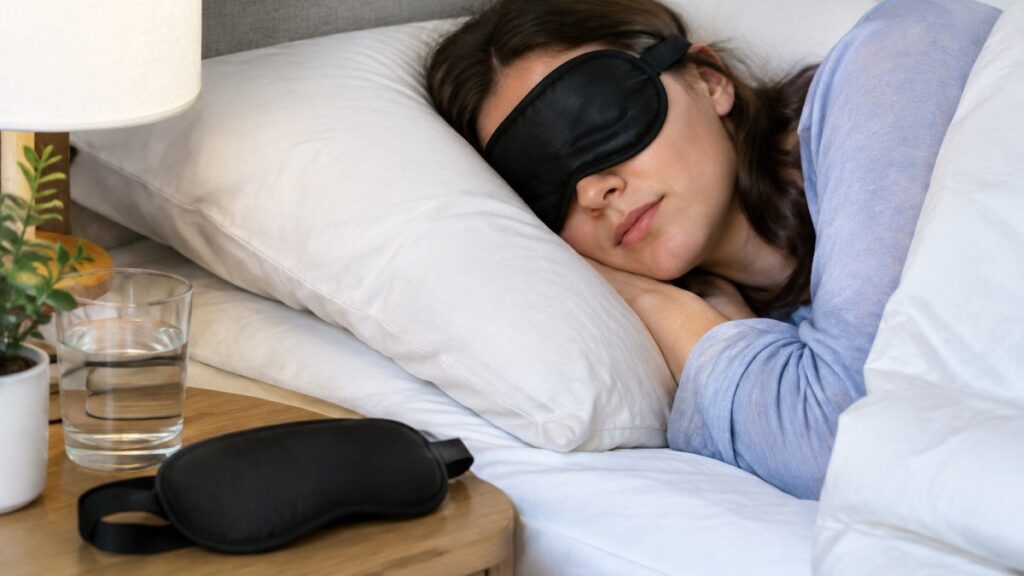
A regular sleep mask blocks light, but it does not protect a surgical eye from pressure. A surgical eye shield is designed to keep pressure off the operated eye.
| Feature | Surgical Eye Shield | Regular Sleep Mask |
|---|---|---|
| Main purpose | Protects healing eye | Blocks light |
| Pressure protection | Yes, rigid barrier | Usually no |
| Strap design | Adjustable, secure | Often elastic |
| Medical guidance | Recommended by surgeon | Not designed for surgery |
For most post-surgery patients, a surgical shield is the better choice. Check with your provider before using any other eye covering.
Securing, Cleaning and Caring for Your Eye Shield
A well-fitted shield protects your eye better. Check the strap and fit before bed each night, and make sure the shield sits comfortably over the eye without pressing on it.
Securing the Shield
Most surgical shields stay in place with either an adjustable strap or medical tape. Your provider will recommend one based on your procedure and skin sensitivity. For help following all of your aftercare instructions, not only the shield, read how to follow eye surgery aftercare instructions.
- Adjustable straps are reusable and easy to reposition, but they can loosen overnight. Check the tension before bed and tighten it only enough to keep the shield in place.
- Medical tape gives a more secure hold for some patients, but it can irritate sensitive skin. Ask your provider which tape is appropriate and how to remove it gently.
- Skin sensitivity: If tape or a strap causes redness, itching or irritation, stop using that method and ask your provider about alternatives such as a soft padding layer or a different strap style.
Watch out: A strap that is too tight can cause discomfort and skin irritation, while one that is too loose lets the shield shift during sleep. Aim for a snug fit that keeps the shield stable without pressing on the eye.
Cleaning and Maintenance
- Wash your hands before handling the shield.
- Clean the shield with the method your provider recommends.
- Clean the shield regularly, especially if it becomes smudged or soiled, and always before storing it.
- Store the shield in a clean, dry place when not in use, away from pets and dust.
- Ask your provider whether to replace the shield if it cracks, bends, loses its fit or no longer stays secure.
When to Call Your Provider
Contact your eye care team if the shield no longer fits, if your skin reacts to the tape or strap, or if the shield repeatedly comes off during the night. Your provider should confirm any change to fit or securing method is safe for your healing eye.
Booking Your Post-Surgery Follow-Up Visit in San Antonio
Follow-up visits help your eye care team check your healing and decide when you can stop using the shield. Bring your shield and a list of any questions about sleeping or daily activities.
If you have questions about your recovery or want to schedule a check-up, contact Clear Vision San Antonio to request an appointment. Find directions and appointment details for the Castle Hills location.
Frequently Asked Questions
How long do I need to wear an eye shield at night after cataract surgery?
Surgeons often ask patients to wear a protective shield while sleeping after surgery, and the exact period depends on the procedure and your surgeon’s instructions. Your surgeon will tell you when you can change your routine. Follow the schedule your eye doctor gives you at your post-operative visit, and call the office if you are unsure whether to keep using the shield.
Can I use a regular sleep mask after eye surgery?
A standard sleep mask is usually not a good substitute for a rigid post-surgery shield. Soft masks can press on the eyelids or rest against the surgical site, and some fabrics can trap moisture or irritate the eye. A rigid, ventilated shield keeps pressure off the eye and prevents accidental rubbing. If you do not have a shield, ask your surgeon’s office what they recommend before using anything else.
Does an eye shield work for sleep after LASIK or cataract surgery?
Yes, a well-fitted rigid eye shield is designed to protect the eye while you sleep, and it is designed to help keep pressure off the operated eye while you sleep. Comfort varies from person to person, so you may need to adjust the strap or try a different pillow setup. If the shield is causing pain, pressure, or skin irritation, contact your eye care team rather than removing it on your own.
What are the risks of not wearing eye protection while sleeping after surgery?
Sleeping without protection can allow you to rub or press on the surgical eye, which may disrupt healing or cause discomfort. Contact with bedding, pets, or a sleeping partner can also create accidental pressure or injury. Your surgeon will explain which risks apply to your specific procedure. If you notice new pain, vision changes, or discharge, call your eye care provider promptly.
