

Dry eye is one of the most common complaints eye doctors hear, and warm compresses are usually one of the first things recommended before more advanced treatment. But how do they work, and when is it time to seek professional treatment? Keep reading to learn more about how warm compresses help dry eye, tips for maximizing their effects, and what to do if your symptoms persist.
What Is Dry Eye?

A healthy eye relies on a three-layer tear film: an oily outer layer, a watery middle layer, and a mucus layer closest to the eye. The meibomian glands along the eyelid edges produce oil that prevents evaporation. Chronic dry eye symptoms often result from issues with these glands, such as blepharitis, poor eyelid hygiene, or clogged glands, rather than a lack of tear production.
Warm compresses are applied to the eyelids to address blockages in the meibomian glands. When the oil hardens, it becomes wax-like and blocks the gland. Blinking cannot clear this blockage, and artificial tears do not reach it.
Heat softens hardened oil in the glands, allowing it to be expressed naturally. At temperatures between 104 and 108 degrees Fahrenheit, meibum melts enough for normal blinking and gentle lid pressure to clear the blockage. Lower temperatures provide comfort but are less effective.
Getting the Temperature and Timing Right
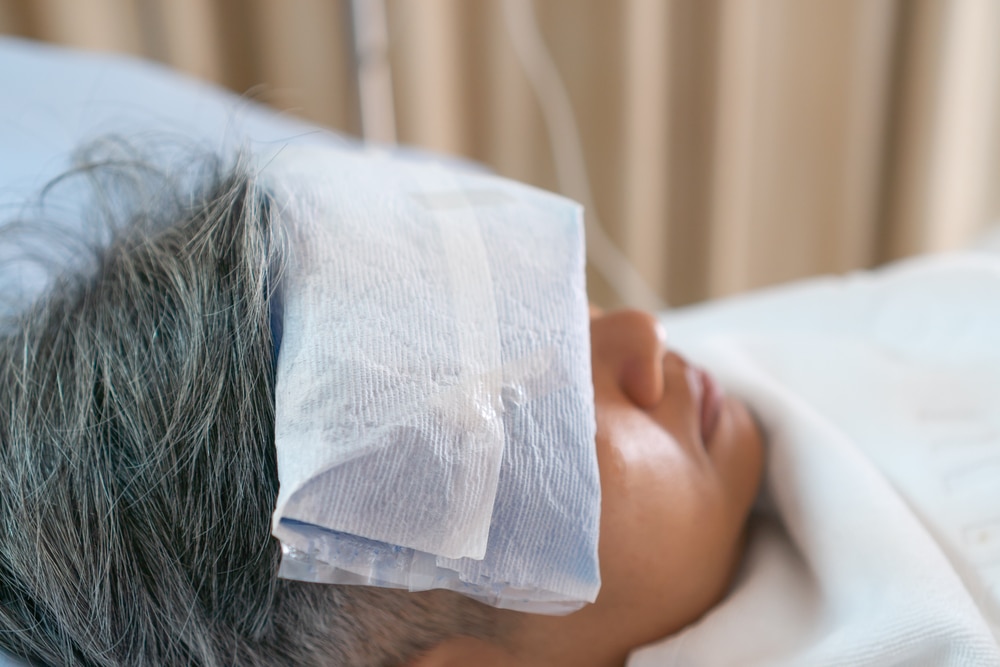
A washcloth run under warm tap water cools within a couple of minutes, long before the glands get enough sustained heat to soften. Rice-filled compress masks or gel masks built to hold temperature tend to work better, since they stay warm for the full 8 to 10 minutes most patients need for the oil to loosen.
Consistency counts more than intensity here. Once daily works for a mild case; twice daily suits anyone with more noticeable gland involvement or symptoms that worsen by evening.
Pairing Compresses With Lid Hygiene
Heat loosens the oil, but something still has to move it out, and the lid margin needs to stay clean, or bacteria and debris will clog the glands right back up. A brief lid massage immediately after the compress, followed by a gentle scrub along the lash line, gets more out of the same few minutes than heat alone ever could. Patients researching treating chronic dry eyes will usually find this compress-massage-cleanse sequence listed as the baseline step before any medication or in-office procedure enters the picture.
What Warm Compresses Can’t Fix
Warm compresses help meibomian gland dysfunction and the evaporative dry eye it causes. They do nothing for aqueous-deficient dry eye, where the lacrimal glands simply aren’t producing enough watery tears in the first place, a pattern often tied to autoimmune conditions such as Sjögren’s syndrome or to medications like antihistamines and antidepressants. Heat can’t loosen a gland that isn’t secreting anything; there’s no blockage to soften.
Compresses also can’t reverse glands that have already atrophied. Meibomian gland dysfunction left unaddressed for years can move from a plumbing problem (blocked but still functional) to a structural one (glands that have shrunk or disappeared). At that stage, a nightly compress routine keeps the remaining healthy glands working, but it cannot restore what’s already been lost. Catching gland dysfunction early carries more long-term value than most patients realize when they first pick up a washcloth.
When to Seek Professional Treatment
Symptoms that persist beyond a few weeks despite a consistent compress and lid hygiene routine usually mean the underlying cause needs a closer look than a mirror and a washcloth can provide. A comprehensive eye exam can measure tear break-up time, examine gland structure directly, and rule out autoimmune or medication-related causes that compresses were never going to solve on their own.
For patients with severe gland blockages, in-office procedures may be necessary. Clear Vision San Antonio offers both BlephEx and LipiFlow for advanced dry eye care.
BlephEx for Lid Margin Debris
Blepharitis leaves a biofilm along the base of the lashes that shows up as flaking, crusting, or a low-grade grittiness that never fully clears no matter how often a patient washes up. BlephEx uses a soft rotating sponge tip to exfoliate this biofilm and the bacterial waste it contains directly off the lid margin, reaching debris that a washcloth and cotton swab were never going to lift on their own. Clearing that buildup gives the meibomian gland openings a clean path instead of a crust to push softened oil through.
LipiFlow for Deeper Gland Blockages

When the blockage sits further inside the gland rather than at the surface, LipiFlow applies controlled heat directly to the inner eyelid while a gentle pulsing motion works the oil toward the gland opening from the inside out. The device holds a therapeutic temperature for the full treatment cycle in a single office visit, something a compress reheated by hand cannot consistently match. That consistency is part of why Clear Vision San Antonio reserves LipiFlow for glands that have not responded to a home routine after a fair trial, typically several weeks of daily compresses and lid hygiene.
Neither treatment replaces the daily habit of compresses and lid scrubs. Both simply clear out blockages that home care alone could not reach, after which the same nightly routine keeps the glands from clogging back up.
Patients who’ve kept up the routine consistently for several weeks without improvement shouldn’t assume a longer session or a hotter washcloth will finally do the trick. A proper evaluation identifies why the current routine isn’t reaching the actual problem, and it points toward a treatment that matches the specific cause.
Tired of relying on compresses that only help for a few hours? Schedule an appointment at Clear Vision San Antonio in San Antonio, TX today.