

Many people in San Antonio come in with red, watery, and uncomfortable eyes, searching for answers. Dry eye and eye allergies have so many similar symptoms that it’s easy to mistake one for the other. At Clear Vision San Antonio, we see this confusion often, but a few key differences can help you identify the real cause. Keep reading to learn more about the differences between dry eye and allergies, and how treating the root cause of your symptoms can help you find lasting relief.
Why Dry Eye and Eye Allergies Get Confused
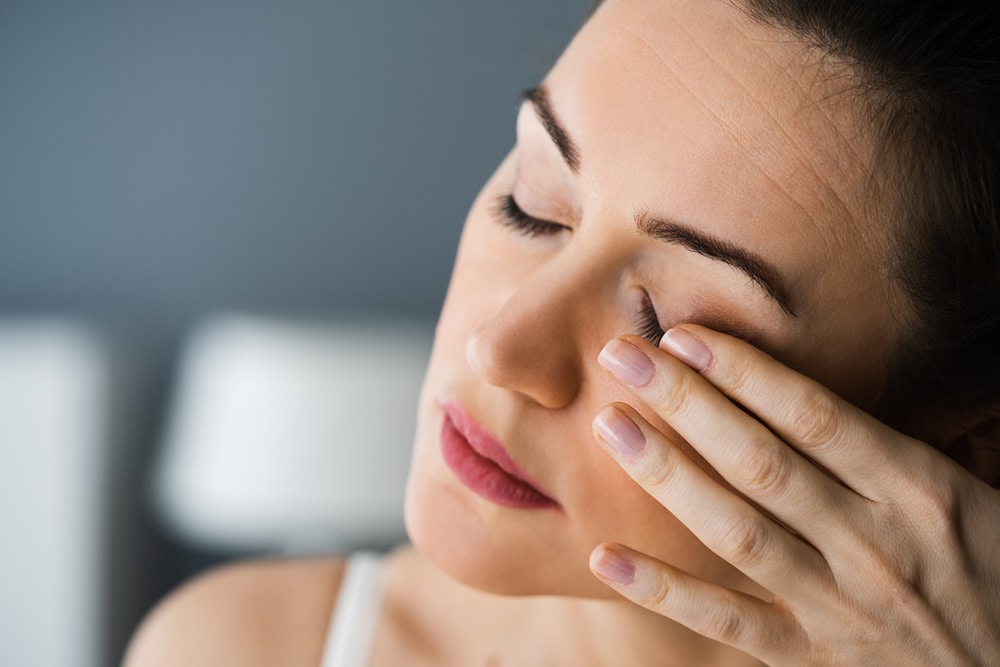
Both dry eye and allergies cause inflammation on the eye’s surface, leading to redness, burning, and tearing. The tearing that can accompany dry eye is especially confusing, since watery eyes might seem like the opposite of dry eyes. This leads many people with dry eye to mistake their symptoms for allergies.
However, dry eyes can actually trigger extra tears as the body tries to make up for the dryness. These reflex tears are often low quality, so they can’t provide the hydration your eyes need.
How Do Eye Allergies Feel?
Eye allergies, also called allergic conjunctivitis, begin when something harmless like pollen or pet dander lands on the eye. Cells in the eye called mast cells respond by releasing histamine. The eyelids and the clear tissue covering the white of the eye then become red, swollen, and itchy.
Itching is the single most useful symptom for telling the two conditions apart. Dry eye can produce some itchiness, but allergic itching tends to be intense and hard to ignore. Rubbing feels like the natural response, though rubbing only irritates allergic eyes further. Swollen, puffy eyelids are another sign that leans toward allergies.
People with eye allergies usually have nasal allergies too, like sneezing and an itchy, stuffy nose. Some people also get a scratchy throat or a headache.
Timing can also help you figure it out. Allergy symptoms usually get worse after you’re exposed to a trigger and improve when the trigger is gone. Common eye allergy triggers include:

- Pollen from grass, trees, and ragweed
- Dust and dust mites
- Pet dander
- Mold
- Smoke, perfume, and some cosmetics
Because San Antonio has long pollen seasons and mountain cedar in the winter, many people here are used to allergy symptoms that come and go.
How Does Dry Eye Feel?
Dry eye develops when the eyes don’t make enough tears or when the tears themselves are of poor quality. Symptoms usually linger day after day instead of coming and going with a trigger. Patients dealing with chronic dry eye symptoms often find their discomfort builds by evening or after long stretches of focused work. Common symptoms include:
- Stinging and burning
- A scratchy, gritty feeling
- Feeling like something is in your eye
- Blurred vision
- Strings of mucus around the eyes
- Sensitivity to light
Many patients notice that wind, cigarette smoke, or a long day in contact lenses makes everything worse. These symptoms point to a problem with the eye’s surface, and they typically arrive without the sneezing and congestion that come with allergies.
What Causes Dry Eye Symptoms?
Each time you blink, a three-layer tear film covers your eye. The inner mucus layer helps the tears stick, the watery middle layer keeps your eye moist and clean, and the outer oily layer slows down evaporation. The oil comes from the meibomian glands along the edges of your eyelids.
If those glands get clogged, your tears evaporate too fast, even if your eyes make enough of them. This type of dry eye is very common, which is why warm compresses can help by softening the oil in the glands. Age, hormonal changes, autoimmune conditions like Sjögren’s syndrome, and spending a lot of time on screens (which makes you blink less) can also play a role.
Can You Have Both Dry Eye and Eye Allergies at the Same Time?
Many people have both dry eye and allergies at the same time, and each one can make the other harder to treat. Allergy medicine is often a factor, since antihistamines can cause dry eye, and taking them by mouth can dry out your eyes and even worsen allergy symptoms. For example, someone who takes an allergy pill every morning during cedar season might end up with gritty, burning eyes instead of itchy ones.

Eye drops can cause a similar problem. Some people react to preservatives in lubricating or prescription drops, adding allergic irritation to dry eyes. Clear Vision San Antonio recommends preservative-free drops for these patients and for anyone who uses artificial tears more than six times a day.
Patients who switch to a preservative-free formula and still find that artificial tears stop working after a few minutes of relief often have an underlying dry eye problem that needs more than extra moisture.
How the Experts at Clear Vision San Antonio Can Help
A comprehensive eye exam lets your doctor see exactly what’s happening on your eye’s surface. An ophthalmologist uses a slit lamp, which is a microscope with a bright light, to look for signs like swollen blood vessels that point to allergies. They will also check your eyelids, watch how you blink, and may run tests to measure tear quality and how fast your eyes produce tears.
At Clear Vision San Antonio, we take a careful, thorough approach to treating dry eye and allergies. Treatment depends on what’s causing your symptoms and may start with preservative-free artificial tears and at-home eyelid cleaning. For tougher cases, we are one of the few centers in San Antonio that offer BlephEx and LipiFlow, in-office treatments that clear debris and unblock glands home care can’t reach. If allergies are the main problem, we focus on avoiding triggers and using medicated drops to calm the allergic reaction.
If you’re not sure whether dry eye or allergies are causing your symptoms, schedule an appointment at Clear Vision San Antonio in San Antonio, TX today.