

Table of Contents
- Your LASIK Recovery Timeline: What to Avoid and When
- Essential LASIK Surgery Restrictions for the First Month
- When Can I Shower After LASIK? Hygiene Rules to Follow
- Activities to Avoid: Exercise, Swimming, and Sports
- Digital Devices and Eye Strain: Managing Screen Time
- Environmental Irritants and Products to Steer Clear Of
- Conclusion: Protecting Your Investment in Clear Vision
- Frequently Asked Questions
Last Updated: October 3, 2026
Your LASIK Recovery Timeline: What to Avoid and When
The single most important thing to avoid after LASIK surgery is rubbing your eyes, especially during the first week when your corneal flap is still healing. Beyond that, the rules shift as you move through recovery, and knowing what to avoid after LASIK surgery at each stage matters more than following one blanket list. (Source: guidelines from the American Academy of Ophthalmology)
This guide breaks the restrictions down by timeline, from the first 24 hours to the first month and beyond.
Here’s the short version: your eyes heal fast, but they heal on their own schedule. Push too hard too soon and you risk setbacks.
The First 24-48 Hours: Critical Precautions
The first two days set the tone for everything that follows. Your priority is simple: rest, don’t touch, and keep irritants away.
During this window, avoid:
- Rubbing or pressing on your eyes, even lightly
- Showering with water running over your face
- Washing your hair in the shower
- Wearing makeup near your eyes
- Staring at screens for long stretches
- Any strenuous activity that raises your heart rate
Your eye shield stays on, including while you sleep. It prevents accidental rubbing and protects the corneal flap while it begins to heal.
Mild irritation, watering, and light sensitivity are normal. Sharp pain is not. Call your eye doctor right away if you feel anything severe.
The First Week: Establishing Safe Habits
By day three, most patients notice their vision clearing. That improvement tempts people to rush back to normal routines. Don’t.
Keep avoiding eye rubbing, swimming, hot tubs, and eye makeup for the full week. Showering is fine if you keep water and shampoo out of your eyes and gently pat your face dry.
Screen time deserves its own caution. Short sessions are fine. Long stretches cause eye irritation and slow the healing process. Follow the 20-20-20 rule: every 20 minutes, look at something 20 feet away for 20 seconds.
Sleep with your eye shield on for at least the first week. It feels awkward, but it protects the flap during the hours you can’t control your hands.
Weeks 2-4 and Beyond: Returning to Normal
Most restrictions lift by the end of week two, but a few stay in place longer. Your ophthalmologist will confirm what’s safe based on how your corneal healing is progressing.
Contact sports, swimming, and water parks typically wait until at least the one-month mark. Dusty environments and heavy lifting may need more time too.
Vision stabilization continues for several months. Some days will feel sharper than others. That’s normal, and it doesn’t mean something went wrong.
Essential LASIK Surgery Restrictions for the First Month
Think of the first month as your protection window. LASIK surgery restrictions during this period exist to prevent infection and keep the corneal flap in place.
The non-negotiables for month one:
- No eye rubbing, period
- No swimming pools, lakes, oceans, or hot tubs
- No contact sports or activities with risk of eye impact
- No eye makeup or eyeliner
- No lotions, creams, or sprays near the eyes
- No dusty or smoky environments
These rules aren’t arbitrary. Infection risk and flap displacement are the two complications that send patients back to the operating room.
Rubbing your eyes in the first month is the most common cause of flap complications. Even one hard rub during sleep can shift the flap and require a return visit. Keep the eye shield on.
When Can I Shower After LASIK? Hygiene Rules to Follow
You can shower the day after LASIK surgery, but you must keep water and soap out of your eyes for the first week. That means no direct spray on your face and no shampoo running down your forehead.
Here’s how to shower safely:
- Keep your back to the water stream
- Close your eyes tightly when rinsing
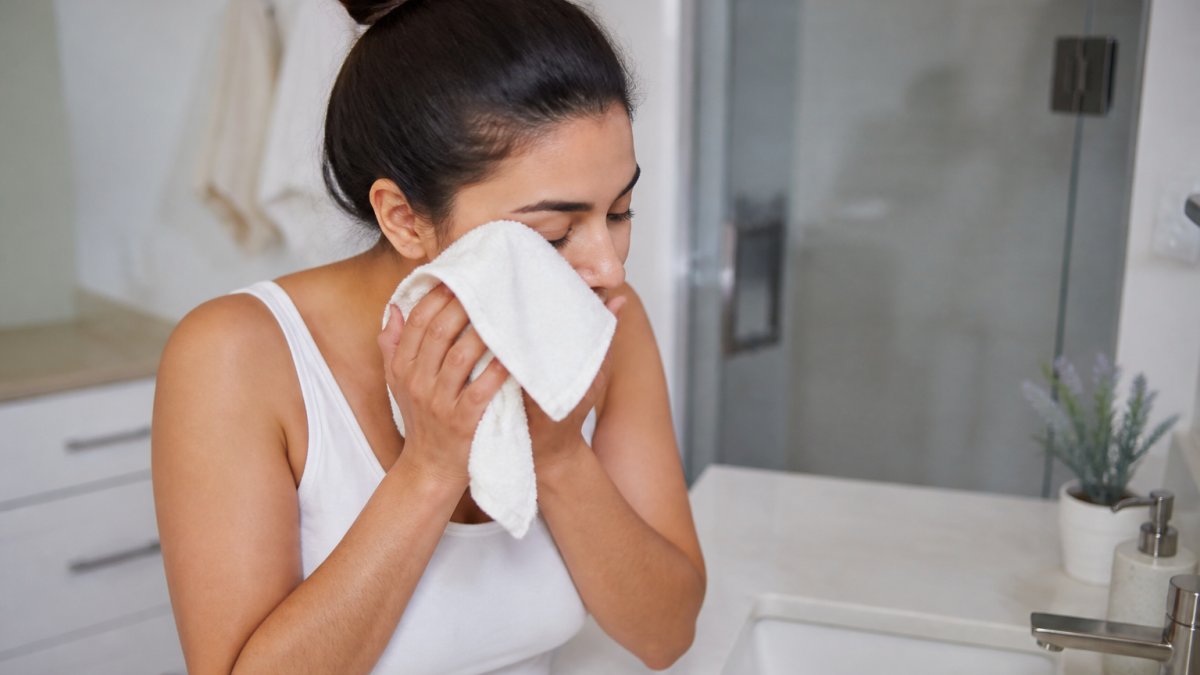
- Use a washcloth on your face instead of splashing
- Pat dry gently with a clean towel
- Skip eye makeup entirely for at least a week
Washing your hair is trickier. Many patients find it easier to have someone help or to visit a salon during the first week. If you wash it yourself, tilt your head back and use a pitcher or handheld sprayer.
Hygiene protocols matter because the corneal flap is a doorway. Bacteria in tap water or on your hands can cause conjunctivitis or worse.
Keep a dedicated clean towel for your face during the first two weeks. Bath towels pick up bacteria and lint that can irritate healing eyes.
Activities to Avoid: Exercise, Swimming, and Sports
Strenuous activity raises blood pressure and eye pressure, which can stress the healing flap. Skip the gym, running, and heavy lifting for at least the first week.
Swimming is off the table for a full month. Pools, lakes, oceans, and hot tubs all carry bacteria that can cause infection. Even after a month, wear goggles in chlorinated pools.
Contact sports need the longest break. Basketball, boxing, martial arts, and anything with flying elbows or balls should wait four to six weeks, or until your ophthalmologist clears you.
Non-contact exercise like walking is fine from day one. Light yoga and stretching usually resume within a few days.
| Activity | Wait Time | Why It Matters |
|---|---|---|
| Walking | Day 1 | Safe, low impact |
| Light yoga | 3-5 days | Avoid inversions |
| Gym and running | 1 week | Raises eye pressure |
| Swimming | 1 month | Infection risk |
| Contact sports | 4-6 weeks | Impact risk |
Digital Devices and Eye Strain: Managing Screen Time
Screens don’t damage your eyes after LASIK, but they do make dry eye worse. Digital eye strain slows comfort during recovery, so pace yourself.
Start with short sessions and build up. Use lubricating eye drops before and during screen work. Artificial tears keep the surface moist and reduce that gritty feeling.
Blue light glasses aren’t required, but many patients find them comfortable. The bigger fix is posture and distance. Keep screens at arm’s length and slightly below eye level.
If you work at a computer all day, plan for more frequent breaks in the first two weeks. Your eyes will tell you when they’ve had enough.
Environmental Irritants and Products to Steer Clear Of
Wind, dust, smoke, and strong chemicals all irritate healing eyes. Protect yourself before you’re exposed, not after. But the generic advice to “avoid lotions and sprays” leaves out the part that actually matters: which ingredients and which delivery methods cause the most trouble.
Ingredients to Keep Away From Your Eyes
Most practitioners find that the following ingredients cause the most irritation when they migrate into a healing eye, either through direct contact or by drifting on air:
- Retinol and retinoids, common in anti-aging face creams, these accelerate cell turnover and sting badly on a healing corneal surface.
- Fragrance and essential oils, “fragrance” on a label can represent dozens of undisclosed compounds; citrus, peppermint, eucalyptus, and lavender oils are frequent culprits.
- Alpha-hydroxy acids (AHAs) and beta-hydroxy acids (BHAs), glycolic and salicylic acid exfoliants irritate the eye surface even at low concentrations.
- Alcohol-based toners and astringents, the alcohol evaporates and the vapor alone can sting.
- Formaldehyde releasers, look for DMDM hydantoin, diazolidinyl urea, and quaternium-15 in shampoos and cosmetics.
- Sunscreen actives, oxybenzone and avobenzone can sting if they migrate; use a mineral (zinc oxide or titanium dioxide) formula around the eye area instead.
Delivery Method Matters as Much as the Ingredient
Aerosol and spray products are the biggest offenders because the mist travels. Hairspray, dry shampoo, setting spray, deodorant spray, and air freshener can all deposit fine particles on the eye surface from several feet away. If you must use them, step out of the room, close your eyes, and let the air settle before returning.
Pump bottles and sticks are safer than aerosols. Creams applied with clean fingertips below the cheekbone are safer than anything applied near the lash line.
UV Protection
UV protection matters too. Wear sunglasses outdoors for at least the first month, even on cloudy days. Photophobia, or light sensitivity, is common during recovery, and sunglasses ease the discomfort. Choose a wraparound style that blocks light from the sides, and look for lenses labeled 100% UVA and UVB protection.
Pets, Dander, and Household Allergens
Pet dander and household allergens deserve attention. If you have pets, keep them off your pillow and wash bedding often. Air purifiers with a HEPA filter help in homes with heavy dander or dust. A few practical habits make a difference:
- Change pillowcases every two to three days during the first month.
- Keep pets out of the bedroom entirely if you can, or at least off the bed.
- Vacuum with a HEPA-filter vacuum rather than sweeping, which kicks dust into the air.
- Run a humidifier if indoor air is dry; dry air worsens the gritty, burning sensation.
Travel and Altitude
Travel restrictions are another thing most guides skip. Air travel is usually fine after a few days, but dry cabin air worsens dry eye syndrome. Pack artificial tears and use them often, roughly every hour on a long flight. Skip travel to dusty or smoky destinations during the first month if you can.
High-altitude destinations and scuba diving deserve extra caution. Changes in atmospheric pressure can affect a healing corneal flap, and most surgeons advise waiting at least a month before diving and longer before high-altitude trekking. Ask your ophthalmologist before booking either.
The biggest threats to recovery are your own hands and your environment. Eye rubbing, dirty water, and airborne irritants cause most setbacks. Read ingredient labels, switch to pump and stick products, and control the air in your home. Those three habits protect your outcome.
Conclusion: Protecting Your Investment in Clear Vision
LASIK recovery rewards patience. The rules are temporary, but the vision correction is not. Follow them closely and your eyes do the rest.
Our team offers advanced technology lens implants and a full range of vision services tailored to your needs. We help you see clearly at near, far, and intermediate distances.
Request an appointment with Clear Vision San Antonio and get a recovery plan built around your eyes, your lifestyle, and your goals.
Frequently Asked Questions
Do and don’ts after LASIK surgery?
After LASIK, do use your prescribed lubricating eye drops, wear your eye shield while sleeping, and attend all follow-up appointments. Do not rub your eyes, swim, use hot tubs, or wear eye makeup for at least the first week. Avoid strenuous activity for a few days and dusty environments for the first month. Following these LASIK surgery restrictions helps ensure proper corneal healing and reduces infection risk.
Can I use my phone after LASIK?
You can use your phone, but limit screen time for the first few days. Your eyes will be sensitive and prone to digital eye strain, which can slow the healing process. Start with short sessions of 10-15 minutes and take frequent breaks. If you experience significant eye irritation or your vision feels unstable, rest your eyes. Your ophthalmologist can give you personalized guidance based on your recovery.
How long should I avoid swimming or hot tubs after LASIK?
Avoid swimming pools, hot tubs, lakes, and oceans for at least two weeks. Water can introduce bacteria that increase infection risk while your corneal flap is healing. Even after two weeks, your ophthalmologist may recommend waiting longer if your eyes are still dry or sensitive. Showering is safe after 24 hours, but keep water and soap out of your eyes.
What activities should be restricted during the first week of LASIK recovery?
During the first week, avoid strenuous exercise, contact sports, and any activity where sweat or debris could enter your eyes. Skip eye makeup, lotions, and face creams. Do not rub your eyes, and wear your eye shield at night. Limit screen time and avoid dusty or smoky environments. These precautions support corneal healing and protect the flap.