

Table of Contents
- What Causes Halos After LASIK Surgery
- Dry Eye Syndrome: A Hidden Driver of Halos After LASIK
- How Long Do Halos Last After LASIK Surgery
- Other Factors That Make Halos After LASIK Surgery Worse
- Managing Dry Eyes After LASIK to Reduce Visual Disturbances
- When to See a Doctor After LASIK About Halos or Vision Changes
- What Your Ophthalmologist Can Do to Address Persistent Halos
- Conclusion
Last Updated: June 13, 2026
What Causes Halos After LASIK Surgery
Understanding what causes halos after LASIK surgery is one of the most common concerns patients bring to their first post-operative appointment. Halos are a predictable optical phenomenon tied directly to how the cornea heals and how light behaves after laser reshaping. Most patients experience them to some degree, and for the majority, they fade significantly within the first few months.
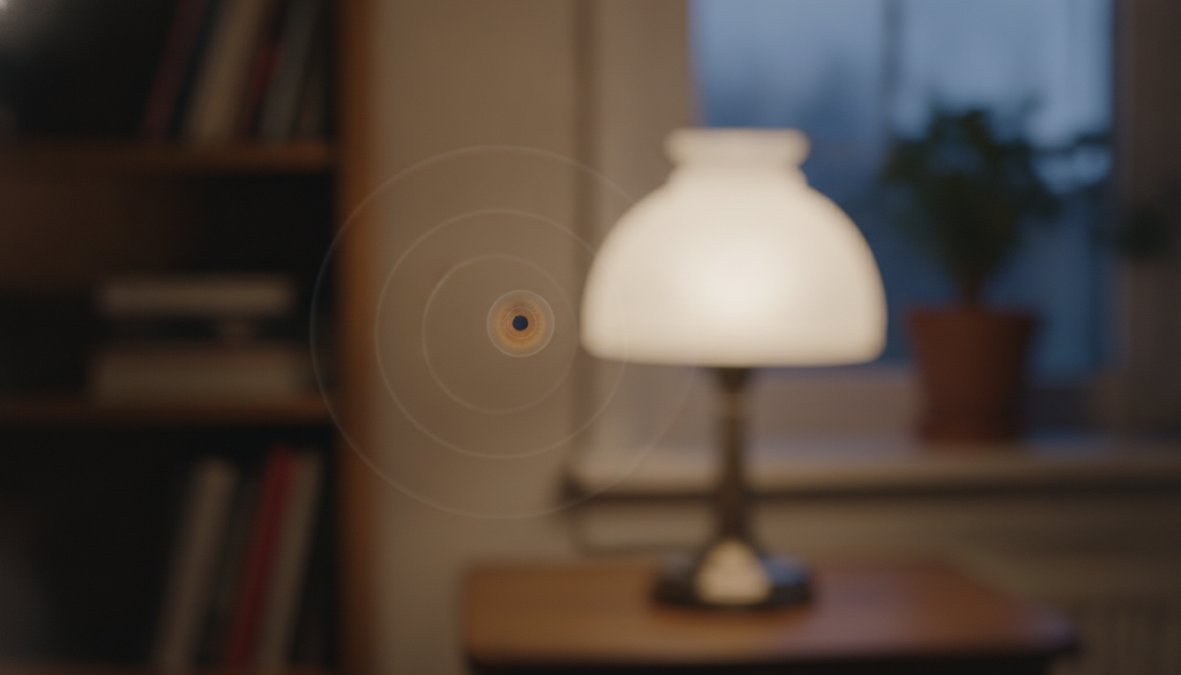
Halos appear as rings of light around bright sources, particularly noticeable at night when driving or looking at streetlights. They are not a sign that something went wrong, they are a sign that your visual system is adjusting to a newly reshaped cornea.
Most guides treat halos as a single phenomenon with a single cause. The reality is more layered. Halos after LASIK surgery result from at least three distinct mechanisms, and understanding which one drives your symptoms changes how you manage them.
How the Corneal Reshaping Process Creates Light Scatter
LASIK works by creating a thin flap in the cornea and using an excimer laser to reshape the underlying stromal tissue, correcting refractive error by changing how the cornea bends light onto the retina. The process is precise, but the cornea does not immediately behave like a perfectly smooth optical surface post-operatively.
In the early healing phase, microscopic irregularities at the flap edge and within the ablation zone scatter incoming light. Instead of focusing cleanly on the retina, some rays refract at slightly different angles, producing the ring-shaped artifact patients describe as a halo. This scatter decreases as epithelial healing progresses and the corneal surface smooths out.
A common mistake is assuming persistent halos mean the surgery was inaccurate. Scatter-related halos are a normal part of corneal healing, not an indicator of surgical error.
The Role of Pupil Size in Post-Operative Halos
Pupil size most directly determines halo intensity after refractive surgery, and it is also the factor most frequently underexplained to patients before their procedure.
The laser ablation zone has a defined diameter. When your pupil dilates in low-light conditions, its diameter can exceed the treated optical zone. Light entering through the untreated peripheral cornea bends differently than light passing through the central ablation zone, and the brain perceives this difference as a halo or starburst.
This is why halos after LASIK surgery are almost always worse at night, pupils are largest in dim environments, maximizing overlap between treated and untreated corneal tissue. Patients with naturally large pupils tend to experience more pronounced halos. Modern laser platforms have larger optical zone diameters than older systems, which has reduced but not eliminated this issue.
Dry Eye Syndrome: A Hidden Driver of Halos After LASIK
The most underappreciated cause of post-LASIK halos is also the most treatable. Dry eye syndrome develops in a significant proportion of LASIK patients because the procedure severs corneal nerves responsible for triggering tear production. Without adequate tear film coverage, the corneal surface becomes irregular at a microscopic level, scattering light the same way early wound healing does.
Dry eye-related halos have a distinctive pattern: they fluctuate. Vision is clearer immediately after blinking, then degrades over the next several seconds as the tear film breaks up. If your halos follow this pattern, dry eye syndrome is almost certainly a contributing factor.
According to the American Academy of Ophthalmology’s clinical guidance on LASIK complications, corneal nerve regeneration after LASIK typically takes six to twelve months, which is why dry eye symptoms and associated visual disturbances can persist well beyond the initial healing phase. Managing the tear film aggressively during this window is one of the most effective strategies for reducing halo severity.
Ignoring dry eye after LASIK does not just cause discomfort. An unstable tear film impairs the optical quality of the entire visual system, prolonging halos and potentially masking residual refractive error during follow-up measurements.
How Long Do Halos Last After LASIK Surgery
How long halos last after LASIK depends on which underlying mechanism is dominant. For most people, halos are most intense during the first two to four weeks and diminish substantially over three to six months as corneal healing progresses.
Scatter-related halos tied to epithelial healing typically resolve within the first month. Pupil-related halos improve more gradually as the visual cortex adapts through neuroadaptation. Dry eye-related halos can persist for six to twelve months if tear film issues go unmanaged.
A small subset of patients, particularly those with large pupils, high pre-operative refractive errors, or thin corneas, may notice residual halos beyond twelve months. This does not mean the halos are permanent; it means the adaptation process is slower.
What Influences Recovery Timeline
Several factors shape how quickly halo symptoms resolve:
- Degree of original refractive error: Higher prescriptions require more tissue removal, creating a larger transition zone between treated and untreated cornea
- Pre-operative corneal thickness: Thinner corneas limit how aggressively the ablation zone can be sized
- Pupil diameter in dim lighting: Larger natural pupils increase the likelihood of pupil-zone overlap
- Dry eye severity: Patients with pre-existing dry eye syndrome before surgery tend to have longer recovery timelines
- Age: Older patients show slower corneal nerve regeneration, extending the dry eye phase
- Compliance with post-operative drops: Patients who follow their prescribed lubricating eye drop schedule consistently tend to report faster symptom improvement
Keep a simple log of your halo severity on a scale of 1 to 10 each night for the first three months. This gives your ophthalmologist objective data to track your trajectory and identify stalls in recovery early.
Other Factors That Make Halos After LASIK Surgery Worse
Not all halo-worsening factors are surgical. Several systemic and environmental variables amplify optical disturbances after laser vision correction, and addressing them can meaningfully accelerate symptom resolution.
Pre-Existing Refractive Error and Corneal Thickness
Patients who were highly myopic before surgery present a specific challenge. Correcting high myopia requires removing more corneal tissue, reducing central corneal thickness and creating a steeper transition slope at the edge of the ablation zone, increasing light scatter and widening the optical zone mismatch with dilated pupils.
As documented in research published in the Journal of Refractive Surgery, patients with pre-operative myopia above -6.00 diopters consistently report higher rates of night vision disturbances compared to patients with lower prescriptions. The relationship between corneal thickness and optical zone size is one reason comprehensive pre-operative screening matters so much for candidacy decisions.
Residual Refractive Error and Undercorrection
Undercorrection is a distinct cause of halos that operates separately from healing-related scatter. When the laser does not fully correct the original refractive error, the residual prescription creates its own optical aberrations. Patients with residual refractive error often describe halos combined with a general softness or blur that does not improve with blinking, distinguishing it from dry eye-related fluctuation.
This is one reason a stable prescription before surgery matters. Visual acuity that has shifted within the year before LASIK increases the probability of undercorrection or overcorrection, both of which generate persistent optical artifacts.
Managing Dry Eyes After LASIK to Reduce Visual Disturbances
Managing dry eyes after LASIK is not optional if you want to minimize halos. It is the single most actionable lever patients have in their own recovery.
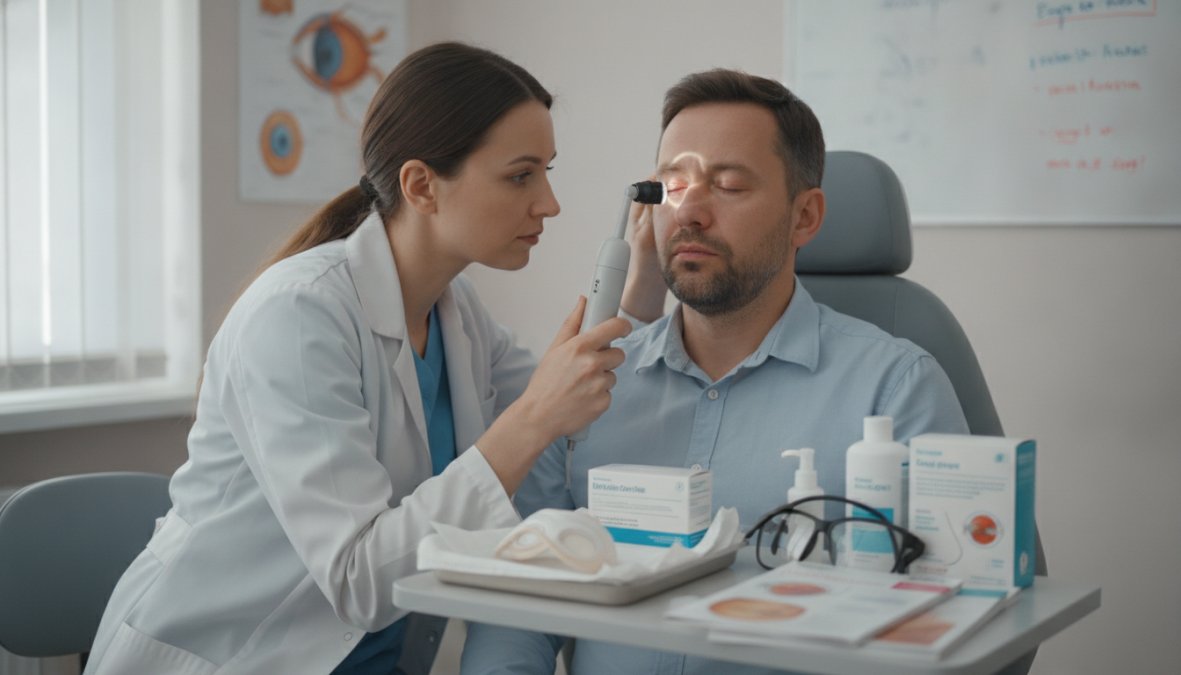
The standard approach involves preservative-free artificial tears applied frequently throughout the day, particularly in the first three to six months post-operatively. Preservative-free formulations matter because preserved drops can irritate the already-compromised corneal epithelium if used more than four times daily.
Beyond drops, several strategies support tear film recovery:
- Omega-3 supplementation: Supports meibomian gland function, which produces the lipid layer of the tear film. Many ophthalmologists recommend starting omega-3s before surgery and continuing through recovery.
- Punctal plugs: For patients with moderate to severe dry eye, temporary or permanent punctal occlusion slows tear drainage and keeps the ocular surface more consistently lubricated.
- Warm compresses: Applied for ten minutes daily, warm compresses improve meibomian gland secretion and stabilize the tear film lipid layer.
- Screen time management: Digital device use dramatically reduces blink rate, accelerating tear film evaporation. Follow the 20-20-20 rule: every twenty minutes, look at something twenty feet away for twenty seconds.
- Environmental controls: Low-humidity environments, air conditioning, and forced-air heating all accelerate tear evaporation. A desktop humidifier near your workspace helps during recovery.
According to the National Eye Institute’s guidance on dry eye disease, the corneal nerve damage that drives post-LASIK dry eye is temporary in most patients, but recovery varies considerably based on pre-operative tear film health and post-operative management.
Dry eye management is the highest-yield intervention available to LASIK patients experiencing halos. Aggressive, consistent tear film support during the first six months shortens the halo recovery timeline more reliably than any other patient-controlled variable.
When to See a Doctor After LASIK About Halos or Vision Changes
Knowing when to see a doctor after LASIK separates normal post-operative adjustment from situations requiring clinical intervention. Most halos in the first few months are expected. A specific set of symptoms, however, warrants prompt evaluation.
Contact your ophthalmologist without delay if you experience any of the following:
- Halos that are getting progressively worse after the first month, rather than better
- Sudden changes in halo severity after a period of improvement
- Halos accompanied by eye pain, redness, or discharge
- Significant decrease in best-corrected visual acuity at any post-operative visit
- Halos that appear only in one eye and are substantially different from the other
- Sensitivity to light that is worsening rather than improving
Asymmetric halos in particular can indicate complications such as corneal ectasia, diffuse lamellar keratitis, or epithelial ingrowth beneath the flap. These are uncommon but require early diagnosis to prevent lasting changes to visual acuity. Early intervention for a rare complication produces far better outcomes than delayed treatment.
What Your Ophthalmologist Can Do to Address Persistent Halos
Persistent halos beyond twelve months, or halos that are functionally disabling, are not a dead end. Several clinical interventions can address the underlying causes.
For pupil-related halos, dilute pilocarpine eye drops reduce pupil size in low-light conditions, directly shrinking the zone of optical mismatch, a well-established off-label use in post-refractive surgery patients with large pupils.
For residual refractive error, LASIK enhancement procedures can address undercorrection or overcorrection once the prescription has stabilized. Enhancement eligibility depends on residual corneal thickness, degree of residual error, and overall corneal health.
For wavefront aberrations, custom ablation enhancements using wavefront-guided technology can reduce higher-order aberrations that standard LASIK does not fully address. As described in the American Society of Cataract and Refractive Surgery’s patient education resources, wavefront-guided treatments have shown meaningful improvements in night vision quality for carefully selected patients with persistent post-LASIK optical disturbances.
For dry eye-driven halos unresponsive to standard management, prescription cyclosporine or lifitegrast drops address the underlying inflammatory component of chronic dry eye syndrome, restoring tear film stability more effectively than lubricants alone.
A thorough evaluation, including corneal topography, wavefront analysis, and tear film assessment, can identify exactly what is driving symptoms and match the intervention to the mechanism.
| Halo Cause | Primary Symptom Pattern | Main Treatment Approach | Expected Timeline |
|---|---|---|---|
| Corneal healing scatter | Improves with blinking; worst in first 4 weeks | Time, lubricating drops | 1-3 months |
| Pupil-zone mismatch | Worst at night; consistent, not fluctuating | Neuroadaptation; pilocarpine if severe | 3-12 months |
| Dry eye syndrome | Fluctuates; worse on dry/windy days | Preservative-free tears, omega-3s, plugs | 6-12 months |
| Residual refractive error | Accompanied by blur; does not improve with blinks | Enhancement procedure | After prescription stabilizes |
Halos after LASIK are genuinely disruptive, especially for patients who drove at night before surgery without a second thought. The path forward is not to wait passively. Clear Vision San Antonio offers comprehensive post-operative care that includes corneal topography, wavefront analysis, and personalized dry eye treatment protocols, giving each patient a clear picture of what is driving their symptoms and what can be done about it. Our team of expert eye doctors provides the personalized attention that makes the difference between a slow recovery and a confident one. Request an appointment with Clear Vision San Antonio to get a precise assessment of your post-operative vision and a targeted plan to restore the clear, comfortable vision you were aiming for.
Frequently Asked Questions
Are halos after LASIK permanent?
For most patients, halos after LASIK surgery are temporary and improve significantly within the first three to six months as the cornea heals and the epithelium stabilizes. In a small number of cases, mild halos may persist longer, particularly in patients with large pupils, high prescriptions, or chronic dry eye syndrome. Persistent halos that do not improve should be evaluated by your ophthalmologist to rule out residual refractive error or other post-operative complications.
How long do halos last after LASIK surgery?
How long halos last after LASIK varies by individual. Most patients notice significant improvement within the first one to three months post-operatively, with continued improvement through the six-month mark. Factors like the degree of the original refractive error, corneal thickness, pupil size, and how well dry eye syndrome is managed all influence the recovery timeline. Your ophthalmologist will monitor your visual acuity at follow-up appointments to track progress.
Can dry eyes cause halos after LASIK?
Yes. Dry eye syndrome is one of the most common contributors to halos and glare after LASIK surgery. When the tear film is unstable or insufficient, light scatters unevenly across the corneal surface, creating halo effects, especially in low-light conditions. Managing dry eyes after LASIK through preservative-free artificial tears, omega-3 supplements, and in some cases prescription eye drops can meaningfully reduce these visual disturbances during the post-operative recovery period.
When should I be concerned about halos after LASIK?
You should contact your ophthalmologist promptly if halos after LASIK surgery are severe, worsening rather than improving after the first few weeks, accompanied by significant pain, sudden vision loss, or unusual redness. These symptoms could indicate complications such as corneal ectasia, infection, or significant residual refractive error that requires attention. Routine mild halos in the first few months are expected, but any sudden or dramatic change in visual acuity warrants an immediate evaluation.
How can I reduce halos after LASIK surgery?
The most effective ways to reduce halos after LASIK include consistently using preservative-free artificial tears to stabilize the tear film, avoiding driving at night until vision stabilizes, wearing anti-glare glasses if needed short-term, and attending all scheduled follow-up appointments. If dry eye syndrome is a significant factor, your ophthalmologist may recommend prescription drops or punctal plugs. In cases of residual refractive error, an enhancement procedure may be considered once the cornea has fully healed.
This article was written using GrandRanker