

Reaching for a bottle of artificial tears has become a reflex for millions of people. The drops provide a few minutes of relief, then the burning, stinging, or blurry vision returns. For patients with mild, occasional dryness, that cycle is manageable.
For patients with severe dry eye disease, it is a sign that the real problem is not being addressed. Keep reading to learn more about severe dry eye and whether it’s time to schedule an appointment with your eye doctor.
Why Aren’t Artificial Tears Working for My Eyes?
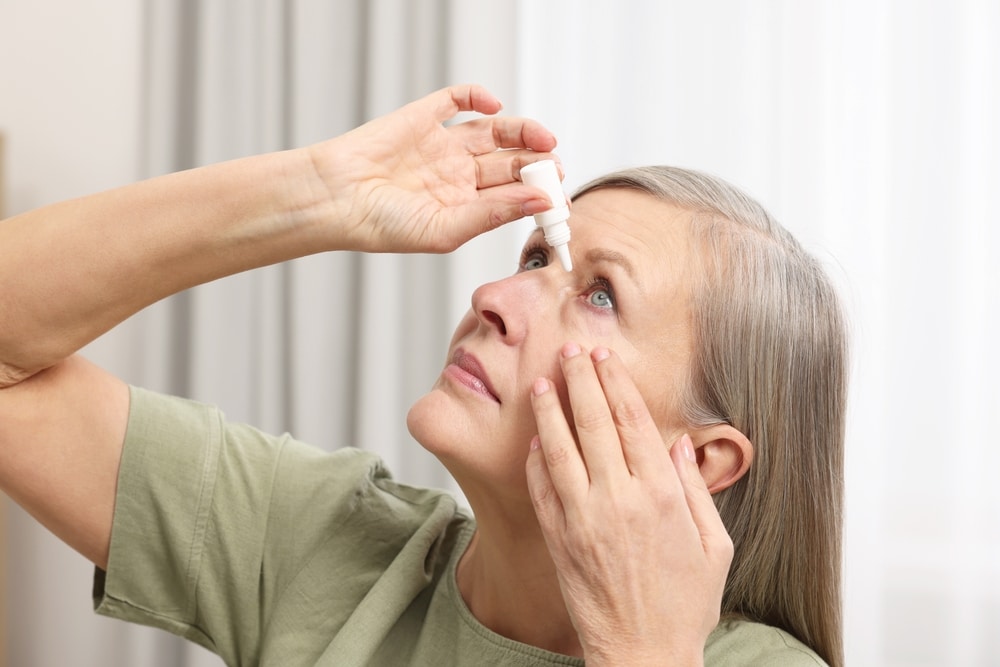
Over-the-counter drops add moisture to the eye. However, for patients with dry eye, they do not fix the underlying reason why the eye stopped retaining moisture in the first place.
In severe cases of dry eye, the tear film itself has broken down, and adding artificial tears to this unstable surface is similar to pouring water on sand.
A healthy tear film has three layers: oil from the meibomian glands, water from the lacrimal glands, and mucin produced by goblet cells on the eye’s surface. When any of those layers is deficient, tears evaporate too quickly or fail to coat the eye properly.
Artificial tears replace a small amount of the watery layer for a few minutes. They cannot restore oil production, clear a bacterial film from the lash line, or reduce the inflammation driving most moderate-to-severe cases.
Many people rotate through brands looking for one that lasts longer. The relief shortens as the condition progresses. Meibomian glands can become more blocked, inflammation can worsen, and the cornea can develop small abrasions from chronic exposure. Drops ease the sensation for a short time, but the disease continues to advance while patients wait for the next dose.
What Severe Dry Eye Actually Looks Like
Severe dry eye is rarely a simple shortage of tears. It is usually a combination of mechanical, glandular, and inflammatory problems, often present in the same patient at once.
Many patients first learn they have dry eye disease during a comprehensive eye exam, when their eye doctor observes tear film instability, redness along the eyelid margins, or meibomian gland blockage that the patient had attributed to fatigue or allergies.
Evaporative Dry Eye and Meibomian Gland Dysfunction

The most common form of severe dry eye begins with the meibomian glands, which run along the edges of the eyelids and secrete the oily layer that prevents tears from evaporating. When these glands become blocked or their secretions thicken, the oil layer thins or disappears. Eyes feel dry within minutes of blinking, symptoms worsen with screen use or wind, and drops provide only brief relief.
Aqueous Deficient Dry Eye
Some patients produce too little tear volume, often due to age, hormonal changes, medications, or prior eye surgery. Tears evaporate faster than the glands can replace them. In these cases, the eye feels scratchy and gritty throughout the day, and vision fluctuates because the cornea is not consistently lubricated.
Autoimmune Condition-Related Dry Eye
Sjögren’s disease, rheumatoid arthritis, and other autoimmune disorders can damage the lacrimal glands directly. Patients with these conditions often have dry mouth along with chronic eye symptoms, and their dry eye tends to be more resistant to routine treatment. These cases require coordinated care and targeted therapies beyond anything available on a pharmacy shelf.
Advanced In-Office Treatments at Clear Vision San Antonio
The specialized team at Clear Vision San Antonio provides advanced dry eye treatment that goes well beyond over-the-counter drops, including LipiFlow and BlephEx technologies that address the mechanical causes of chronic dryness. Clear Vision San Antonio is one of the few medical ophthalmic centers in the area offering both of these in-office procedures, paired with a systematic diagnostic approach that identifies exactly which part of the tear film is failing.
LipiFlow Thermal Pulsation
LipiFlow uses gentle warmth and pulsed pressure applied directly to the eyelids to clear blocked meibomian glands. The treatment takes about twelve minutes per eye. By restoring the flow of natural oils, LipiFlow addresses the root cause of evaporative dry eye rather than layering another artificial solution on top of it. Many patients notice a steady reduction in symptoms over the weeks following treatment, with longer-lasting effects than drops alone can provide.
BlephEx Eyelid Cleaning
BlephEx is an in-office procedure that removes biofilm and bacterial debris that accumulate along the lash line in chronic blepharitis. Poor eyelid hygiene is one of the most common contributors to an unstable tear film, and home washes often cannot reach the deeper layer of debris. BlephEx physically cleans the lid margin so the glands behind it can function normally.
Prescription Therapies and Daily Adjustments
In-office procedures are usually paired with prescription anti-inflammatory drops, medicated ointments, or punctal plugs that keep natural tears on the eye longer. Patients are also given a specific at-home routine: warm compresses timed correctly, preservative-free drops chosen for their condition rather than the brand on sale, and practical adjustments to screen habits, humidifier use, and omega-3 intake.
Signs It’s Time to See a Specialist
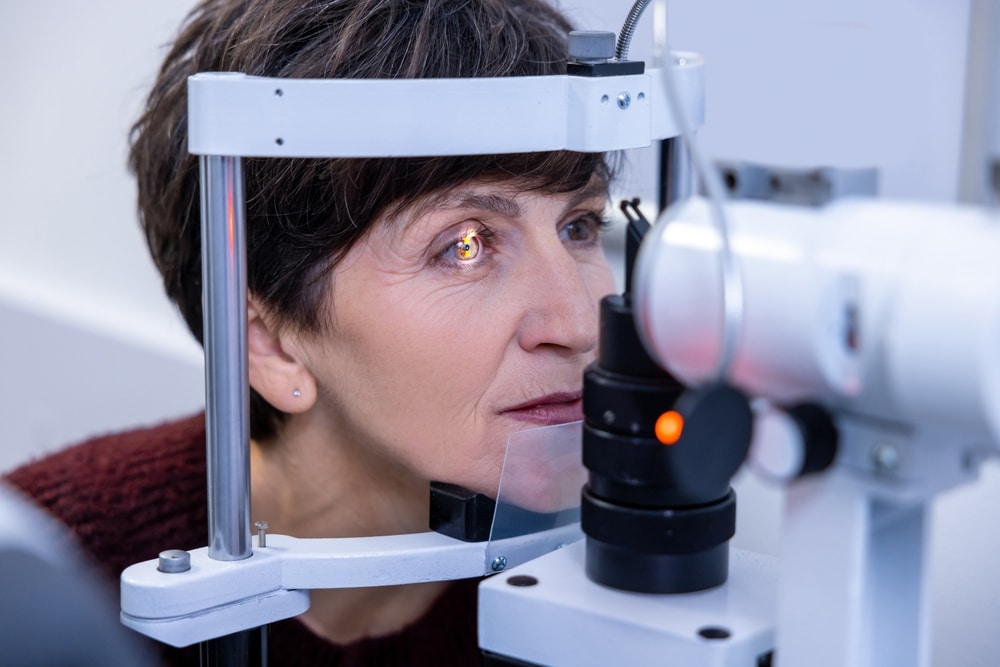
A thorough evaluation with the eye care team at Clear Vision San Antonio can identify the root cause of your symptoms and the combination of treatments that will actually help. Chronic dryness that returns as soon as the drops wear off is worth bringing up at your annual eye exam, since your eye doctor has the tools to evaluate tear film quality directly.
A few patterns suggest the condition has outgrown self-care:
- Needing drops more than four times a day
- Waking up with eyes stuck shut
- Blurred vision that clears briefly after blinking and then returns
- Red, burning, or light-sensitive eyes
- Symptoms that interfere with reading, driving, or screen work
When artificial tears aren’t enough, the next step is a proper diagnosis that identifies which part of the tear film is failing and a plan built around that specific cause.
Ready to find lasting relief from dry eye? Schedule an appointment at Clear Vision San Antonio in San Antonio, TX today.