
Table of Contents
- How to Judge LASIK Surgeons in San Antonio
- LASIK Eye Surgery Cost San Antonio: What Drives the Price
- A LASIK Consultation Checklist Before You Book Surgery
- Recovery Time After LASIK Surgery: A Realistic Timeline
- Comparing Laser Technologies and Long-Term Vision Health
- What Sets Clear Vision San Antonio Apart
- Frequently Asked Questions
Last Updated: October 1, 2026
How to Judge LASIK Surgeons in San Antonio
Choosing among the best lasik surgeons in san antonio comes down to three things you can verify before you ever book a procedure: credentials, surgical volume, and the technology in the room. This guide from Clear Vision San Antonio walks through each one, plus what actually drives cost, how to prepare for a consultation, and what recovery really looks like.
Credentials and Surgical Volume
A board-certified ophthalmologist is the baseline, not the finish line. Look for certification through the American Board of Ophthalmology, then ask how many LASIK procedures the surgeon personally performs each year. Volume matters because complication rates tend to fall as a surgeon’s case count rises.
Laser Technology and Diagnostic Tools
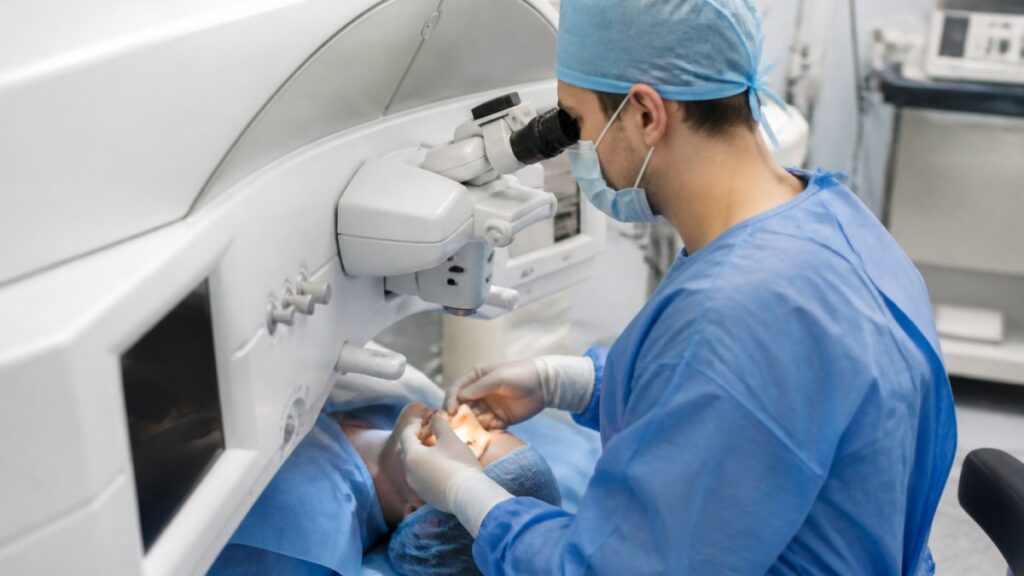
Two laser systems do the heavy lifting in modern LASIK. A femtosecond laser creates the corneal flap; an excimer laser reshapes the cornea underneath it. Older practices may still use a microkeratome blade for the flap, which is a meaningful difference worth asking about.
LASIK Eye Surgery Cost San Antonio: What Drives the Price
LASIK eye surgery cost in San Antonio varies widely, and no single number applies to every patient. Pricing depends on the technology used, the surgeon’s experience, your refractive error, and whether you need a custom or standard treatment. Because Clear Vision San Antonio has not published fixed pricing, the honest answer is that you should request a personalized quote after your evaluation.
Here’s what typically moves the number up or down:
- Technology tier: Bladeless femtosecond systems and wavefront-guided treatments cost more than older blade-based methods.
- Surgeon experience: Established, high-volume surgeons often charge more.
- Correction complexity: Higher myopia, hyperopia, or astigmatism can require more customized planning.
- Location and overhead: Urban surgical centers carry different costs than suburban offices.
- Enhancement policy: Some practices include a touch-up within a set window; others charge separately.
Insurance, HSA, and FSA Options
Standard health insurance rarely covers elective LASIK because it’s considered cosmetic by most plans. That said, HSA and FSA accounts can often be used for qualified vision correction expenses. Check with your plan administrator and the IRS guidance on medical expenses to confirm what your account allows before you schedule.
A LASIK Consultation Checklist Before You Book Surgery
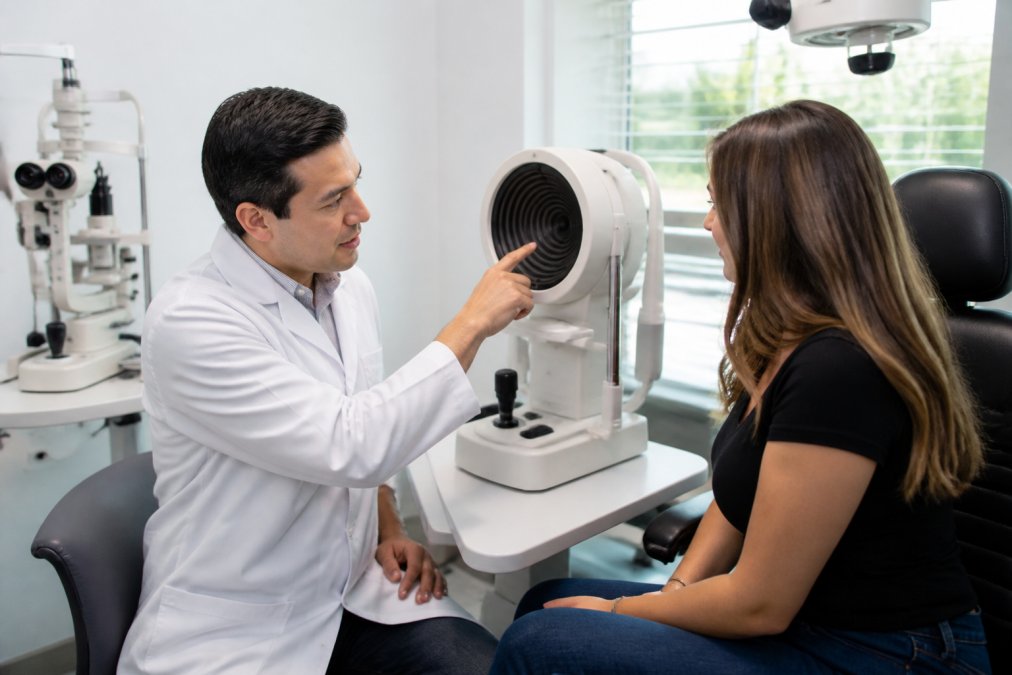
A good consultation is a two-way interview. You are evaluating the surgeon as much as they are evaluating you. Bring this checklist and do not leave until every box is answered.
Consultation Questions
- Confirm the surgeon’s board certification through the American Board of Ophthalmology and their annual procedure volume
- Ask which femtosecond and excimer laser systems the practice uses, and which platform the surgeon uses most often
- Request a full comprehensive eye exam, including corneal thickness measurement (pachymetry) and corneal topography
- Ask how the practice screens for dry eye syndrome before clearing you for surgery, and what treatment they require first if you have it
- Get the total cost in writing, including any enhancement fees and the window in which enhancements are covered
- Confirm who performs the surgery and who handles follow-up visits, the surgeon or an optometrist
- Ask what happens if you are not a candidate, and what alternatives (PRK, ICL, refractive lens exchange) the practice offers
- Request the enhancement and complication policy in writing
- Ask for the practice’s complication rate and how they track outcomes
Pre-Op Preparation: The Two Weeks Before Surgery
Most practices give you a verbal list at the consultation and nothing else. Here is the structured version, organized by when it matters.
Two weeks before
- Stop wearing soft contact lenses. Most surgeons require 10 to 14 days out of soft lenses and longer for toric or rigid gas-permeable lenses, because contacts reshape the cornea and can distort your measurements.
- Stop using any eye makeup, eyeliner, or mascara that could introduce bacteria near the lid margin.
- Fill any prescriptions for antibiotic and lubricating drops so you are not scrambling the day before.
One week before
- Discontinue blood-thinning supplements unless your physician says otherwise, fish oil, vitamin E, ginkgo, and high-dose omega-3 are common culprits.
- Confirm with your primary care physician whether any prescription blood thinners need to be paused. Do not stop them on your own.
- Arrange transportation. You will not be able to drive yourself home, and you should not plan to work the rest of the day.
Three days before
- Stop using lotions, creams, and facial products around the eyes.
- Confirm your pre-op appointment time and whether you need to fast (rare for LASIK, but some practices sedate).
Day of surgery
- Wear comfortable clothing. Avoid wool, fleece, or anything that sheds lint near the face.
- Skip perfume, cologne, and hairspray, they can contaminate the surgical field.
- Eat a light meal unless told otherwise.
- Bring sunglasses. Your eyes will be light-sensitive on the ride home.
Bring a written list of every medication and supplement you take, including blood thinners. Surgeons adjust pre-op instructions based on these, and a rushed intake can delay your procedure.
Red Flags at the Consultation
- Pressure to book surgery the same day, or a discount that expires before you have had time to think
- No corneal topography or pachymetry performed before a surgery recommendation
- A quote given before your eyes are examined
- Vague answers about who performs the surgery or who handles follow-ups
- No written enhancement policy
If any of these show up, get a second opinion. A consultation is a medical appointment, not a sales call.
Recovery Time After LASIK Surgery: A Realistic Timeline
Most patients notice clearer vision within a day, but full recovery time after LASIK surgery takes longer than the marketing suggests. Expect fluctuating vision for the first few weeks and consistent dryness for one to three months. Post-operative care visits are not optional; they’re how your surgeon tracks healing and catches problems early.
A realistic timeline looks like this:
| Timeframe | What to Expect | Typical Care |
|---|---|---|
| Day 1 | Blurry, watery vision; mild discomfort | Rest, use prescribed drops |
| Week 1 | Vision sharpens; dryness common | Avoid rubbing eyes, no swimming |
| Month 1 | Vision stabilizes for most patients | Continue lubricating drops |
| Months 3-6 | Vision stability reached | Final follow-up, discuss enhancements |
Comparing Laser Technologies and Long-Term Vision Health
Most clinic pages say “advanced technology” and stop there. That phrase tells you nothing. What actually matters is which platform your surgeon uses, how often they use it, and whether that platform fits your cornea. Here is the comparison most practices skip.
The Four Main Refractive Platforms
iLASIK (bladeless, wavefront-guided LASIK). A femtosecond laser creates the flap, then a wavefront-guided excimer laser reshapes the cornea using a map of your eye’s unique optical aberrations. This is the most common premium option in the U.S. and the one most high-volume surgeons default to for standard myopia and astigmatism.
How to Ask About Technology Without Getting a Sales Pitch
Ask three specific questions:
- Which platform do you use most often, and what percentage of your cases use it? A surgeon who performs 90% of cases on one platform will generally have better outcomes on that platform than one who switches frequently.
- What is your enhancement rate, and how do you define an enhancement? A touch-up within 12 months is different from a re-treatment at 24 months. Get the definition in writing.
- Which platform would you choose for my specific cornea, and why? If the answer is the same for every patient, you are talking to a sales process, not a surgical plan.
What LASIK Does Not Do, Long-Term Vision Health
LASIK reshapes the cornea. It does not stop the aging process, and it does not prevent other eye disease.
- Presbyopia. The age-related loss of near focus typically begins in the early-to-mid 40s. LASIK corrects distance vision; it does not prevent the eventual need for reading glasses. Patients over 40 should discuss monovision or blended vision options explicitly before surgery.
- Cataracts. LASIK does not prevent cataracts, and it does not make cataract surgery impossible, but it does change the measurements used to calculate lens implants. Tell any future cataract surgeon that you had LASIK, and bring your original pre-op records if you have them.
- Glaucoma and macular degeneration. These are unrelated to the cornea and require ongoing screening regardless of refractive surgery history. A dilated eye exam every one to two years is the standard recommendation for adults, more often if you have diabetes, hypertension, or a family history.
- Corneal ectasia. A rare but serious complication in which the cornea weakens and bulges. This is why corneal thickness measurement and topography before surgery are non-negotiable, they screen out patients at elevated risk.
If a clinic promises “perfect” or “guaranteed” vision, or cannot tell you which laser platform it uses and why, walk away. No surgeon can promise a specific outcome, and reputable practices describe risks and typical results honestly.
5- to 10-Year Expectations
Most patients who are good candidates maintain stable distance vision for years after LASIK. A minority need an enhancement, usually within the first 12 to 24 months as the cornea finishes remodeling. Beyond that window, any vision change is more likely due to normal aging, presbyopia, early cataract, or dry eye, than to regression of the LASIK correction itself. That distinction matters: it determines whether a touch-up, reading glasses, or a different treatment is the right next step.
What Sets Clear Vision San Antonio Apart
The best LASIK surgeon for you is the one whose experience, technology, and communication style match your eyes and your questions. Start with a consultation, not a coupon.
Frequently Asked Questions
What qualifications should I look for in the best LASIK surgeons in San Antonio?
Look for board certification from the American Board of Ophthalmology, a current Texas medical license, and a track record of thousands of LASIK procedures. Ask how many surgeries the surgeon performs annually and which laser platforms they use. A surgeon who openly discusses risks, reviews your comprehensive eye exam results, and builds a customized treatment plan is a stronger choice than one who rushes you toward a same-day booking.
Is LASIK surgery covered by insurance in Texas?
Most health insurance plans treat LASIK as elective refractive surgery, so they do not cover the procedure itself. Some plans offer a partial discount through network vision benefits, and you can use HSA or FSA funds for qualified vision correction expenses. Call your insurer before your consultation to confirm what your specific plan allows, and ask the clinic’s staff to walk you through financing options and payment plans.
How do I know if I am a candidate for LASIK eye surgery?
Candidacy depends on corneal thickness, refractive error, eye health, and stable vision for at least a year. A comprehensive eye exam with corneal mapping and a dilated retinal check confirms whether you qualify. People with thin corneas, significant dry eye syndrome, or certain autoimmune conditions may be better suited to another option such as ICL or refractive lens exchange. Only an ophthalmologist can make that call after testing.
What is the difference between LASIK and ICL surgery?
LASIK reshapes the cornea with an excimer laser after creating a corneal flap. ICL, or implantable collamer lens surgery, places a permanent lens inside the eye without removing corneal tissue. ICL suits patients with high myopia or thin corneas who are not LASIK candidates. Both are refractive surgery options, and the right choice depends on your prescription, corneal measurements, and long-term vision goals.
How long is recovery time after LASIK surgery?
Most patients notice clearer vision within 24 hours and return to desk work in one to three days. Vision stabilizes over one to three months, and you will use prescription eye drops during that period. Avoid rubbing your eyes, swimming pools, and contact sports for the first few weeks. Dry eye is common early on and usually improves. Your surgeon will schedule follow-up visits to track visual acuity and healing.
Age-related vision changes, diabetes, and chronic dry eye all complicate the LASIK decision, and no online guide can evaluate your eyes. Clear Vision San Antonio offers personalized attention, advanced technology lens implants, and a team of expert eye doctors who build customized treatment plans around each patient’s needs. Request an appointment with Clear Vision San Antonio and get a clear answer about whether LASIK, ICL, or another path is right for you.