
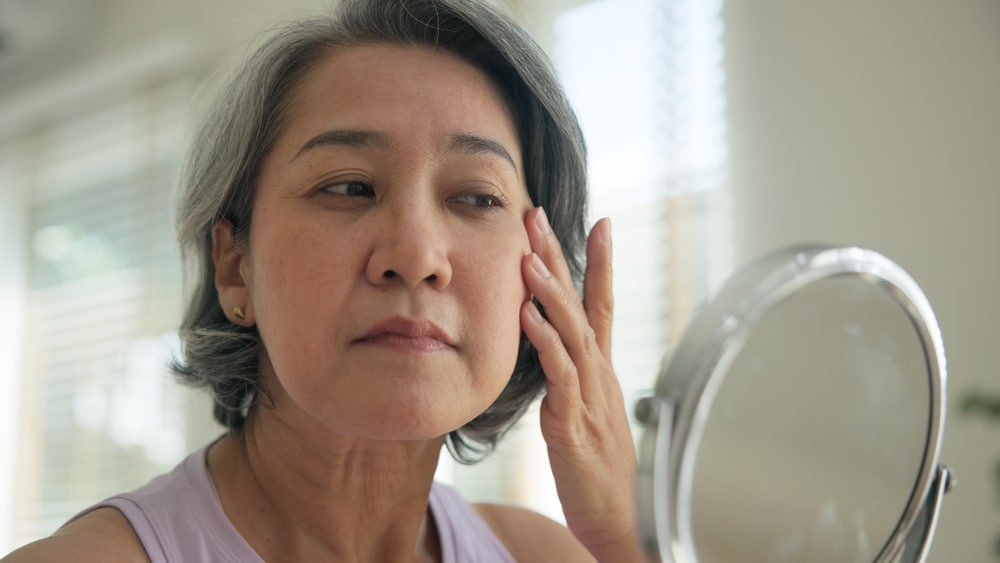
Have you noticed your eyelids starting to sag, making you look tired even after a full night’s sleep? Maybe you find yourself tilting your head back to see clearly, or you’ve started having trouble with activities like reading or driving.
While many people think of droopy eyelids as simply a cosmetic issue, they can actually interfere with your vision and daily life. Understanding the difference between age-related skin changes and functional eyelid problems can help you determine whether your droopy eyelids need medical attention or if cosmetic treatment might be right for you.
Keep reading to learn when droopy eyelids require treatment, what causes them, and how the right procedure can restore both your vision and your confidence.
What Causes Droopy Eyelids?
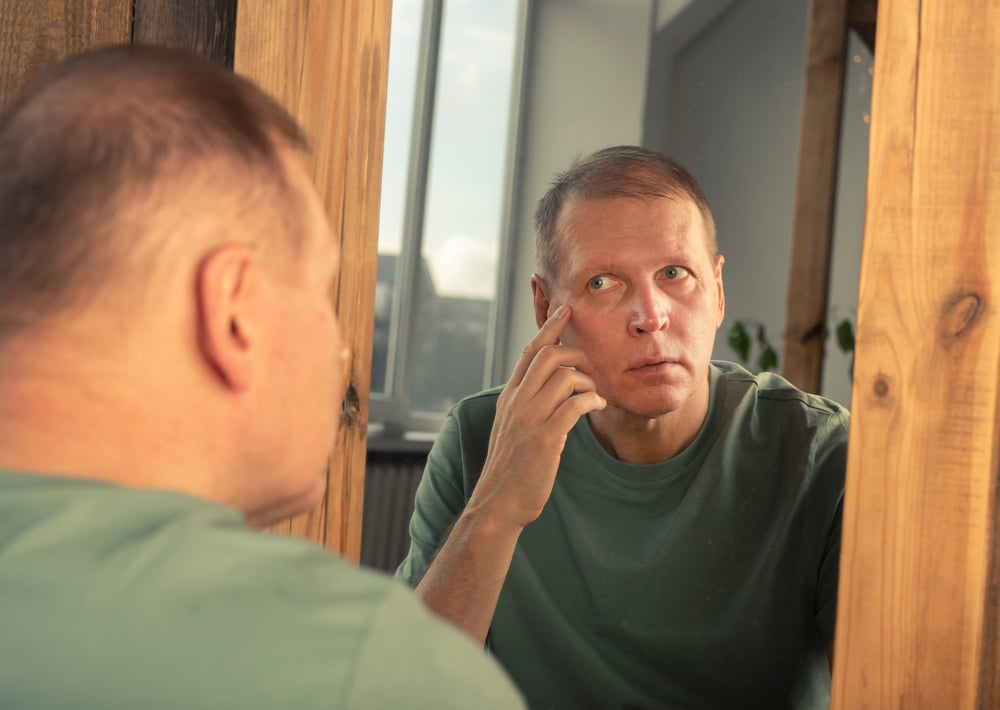
The term “droopy eyelids” can refer to two different conditions. Ptosis refers to a drooping eyelid caused by a weakened or damaged levator muscle, the muscle responsible for lifting the eyelid. This condition can be present from birth (congenital ptosis) or develop later in life (acquired ptosis) when the muscle weakens or separates from the eyelid.
Dermatochalasis, on the other hand, involves excess skin on the upper eyelid due to natural aging. As you age, the skin and muscles around your eyes gradually lose elasticity, and gravity causes this excess skin to collect on your upper and lower eyelids. This is the most common type of eyelid drooping that people experience and is often what brings patients to Clear Vision San Antonio.
How Droopy Eyelids Can Affect Your Vision
When your eyelids droop or sag significantly, they can fall into your visual field and block your peripheral vision. This creates a hood over your eyes, making it difficult to see objects to the side or above you.
Simple daily activities become challenging when your vision is obstructed. You might struggle to drive safely because you can’t see cars approaching from the side, or you may have difficulty reading because the drooping casts shadows on the page.
Many people with severe eyelid drooping develop compensatory behaviors unconsciously. You might raise your eyebrows constantly to lift the excess skin, which can lead to forehead fatigue and headaches. Some people tilt their chin up in a “chin-up position” to see beneath their drooping lids, which can cause neck strain and discomfort over time.
When Medical Treatment Becomes Necessary

If your droopy eyelids due to dermatochalasis are significantly affecting your vision, you may need functional blepharoplasty. This procedure isn’t just cosmetic; it’s a medical necessity to restore your sight.
The eye doctors at Clear Vision San Antonio can determine whether surgery is medically necessary by testing your peripheral visual field with a specialized instrument called the Humphrey Visual Field Analyzer. This test measures exactly how much your drooping eyelids obstruct your vision.
When testing shows that your eyelids are blocking a significant portion of your visual field, medical insurance may cover the surgery. The procedure is the same as cosmetic blepharoplasty, but the purpose is to improve your vision rather than your appearance. After functional blepharoplasty, most patients experience dramatic improvement in their peripheral vision and can return to activities they’d been avoiding.
What to Expect During Functional Blepharoplasty
When your eyelids interfere with your vision, functional blepharoplasty can make a significant difference. During the procedure, your eye surgeon makes an incision along the natural crease of your upper eyelid.
This placement ensures that any scarring will be hidden when your eyes are open. The surgeon then removes excess skin, repositions or removes protruding fat deposits, and tightens the muscles and tissue that support your eyelid.
The procedure typically takes 45 minutes to one hour for upper eyelids and is usually performed as an outpatient surgery with local anesthesia and sedation. Most patients experience swelling and bruising for a few days after surgery, but these side effects subside on their own.
You’ll need to take about a week off from work and limit activities while your eyelids heal. The improvement in your vision is often immediate once the swelling decreases.
Results from blepharoplasty are long-lasting. Upper eyelid surgery can last anywhere from 5 to 7 years to a lifetime, depending on your individual aging process.
The scars from blepharoplasty are well-concealed and typically fade over time, becoming nearly invisible. Clear Vision San Antonio uses advanced surgical techniques to minimize scarring and optimize your results.
Who Is a Good Candidate for Eyelid Surgery?

The best candidates for blepharoplasty are generally people aged 30 or older who are in good overall health. Certain medical conditions can make you a poor candidate for eyelid surgery. If you have glaucoma, retinal detachment, or other serious eye diseases, the surgery may not be safe for you.
Thyroid disorders like Graves’ disease, hypothyroidism, or hyperthyroidism can affect healing and results. People with diabetes, cardiovascular disease, or high blood pressure need careful evaluation before proceeding with surgery.
The only way to know if blepharoplasty is right for you is through a comprehensive consultation with an eye care specialist. During your evaluation, your doctor will examine your eyelids, test your vision, discuss your concerns and goals, and explain which surgical approach would work best for your situation.
This personalized assessment ensures that you receive the treatment most likely to give you the results you want. The right treatment can restore your peripheral vision, eliminate the frustration of obstructed sight, and help you look as energetic as you feel. If you’re struggling with sagging eyelids or wondering whether eyelid surgery might be right for you, schedule an appointment at Clear Vision San Antonio in San Antonio, TX, today!