
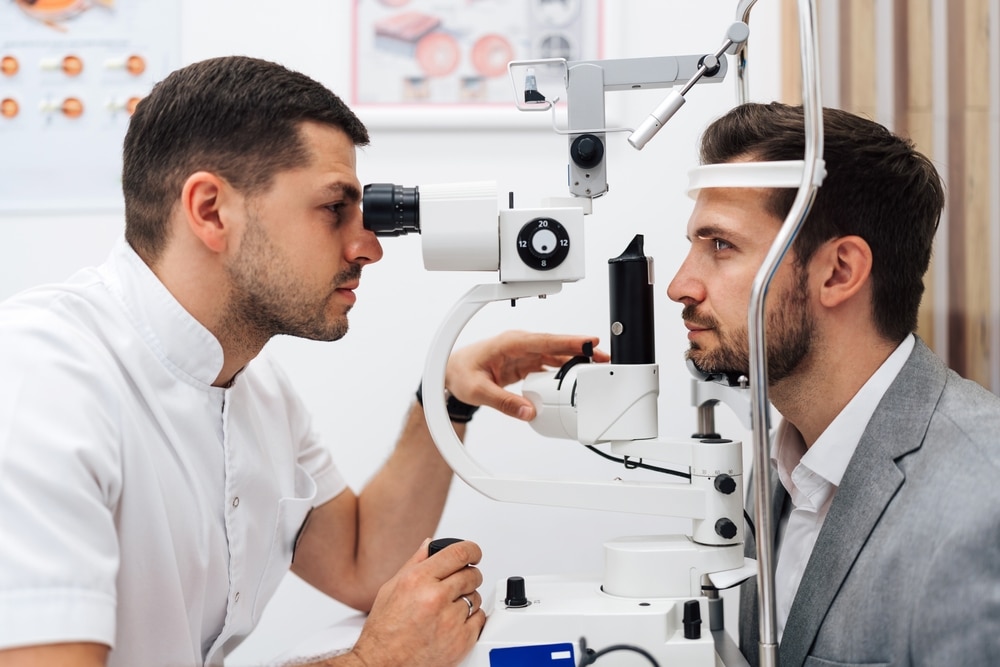
So, you’ve scheduled your annual eye exam, and now you’re wondering what you should do to get ready. A little preparation can make a big difference in what your eye doctor can discover about your eye health and vision.
Bringing the right information and asking the right questions means your eye care team at Clear Vision San Antonio can create a more personalized treatment plan for your eyes. Your annual exam is more than a vision check; it’s an opportunity to detect early signs of eye disease before symptoms appear.
Keep reading to learn more about what to bring, what to expect, and how to make the most of your annual eye exam.
Why Preparation Matters for Your Eye Exam
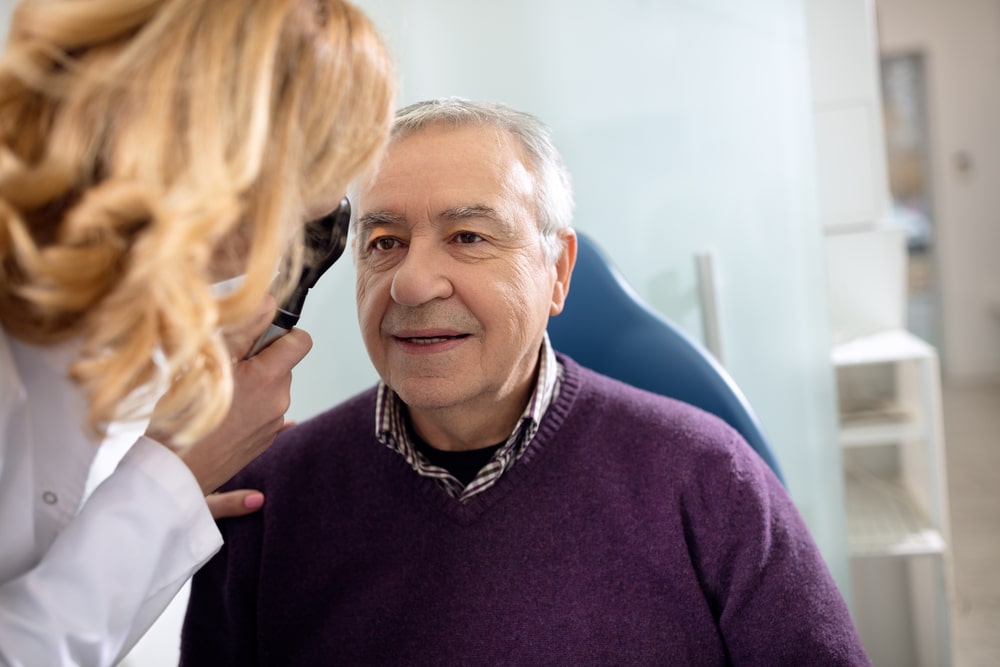
Your eyes can reveal signs of serious conditions, and the more information your eye doctor has, the better they can evaluate your health. A comprehensive medical eye exam looks for conditions like glaucoma, cataracts, macular degeneration, and diabetic retinopathy. Many of these diseases don’t show symptoms until vision loss has already occurred.
When you’re prepared with complete information about your medical history, medications, and vision changes, your doctor can connect patterns that might otherwise be missed. For example, certain medications can affect your eyes, and conditions like diabetes or high blood pressure can cause changes in your retina long before you notice any vision problems.
At Clear Vision San Antonio, eye exams go beyond basic vision screening. Our eye doctors use advanced technology and detailed examinations to protect your long-term vision. Taking a few minutes to prepare helps them spot potential problems early, when they’re most treatable.
What to Bring to Your Eye Exam
Coming prepared with the right items and information helps your appointment run smoothly and enables your doctor to provide better care.
Insurance and Identification
Bring your medical insurance card and photo identification. If you have separate vision insurance, bring that card as well. Some eye conditions are covered under medical insurance rather than vision plans, so having both ensures proper billing for your comprehensive exam.
Current Eyewear
Bring your glasses and contact lenses, even if they’re old or broken. Your eye doctor needs to see what prescription you’re currently using and how well it’s working for you.
If you wear contacts, bring the box or write down the brand, type, and prescription details. This information helps your eye doctor understand your vision correction history and make better recommendations.
Medical Information
Create a list of all medications you currently take, including dosages and how often you take them. Include prescription drugs, over-the-counter medications, vitamins, and supplements. Some medications can affect your eyes or interact with eye treatments.
Write down your medical history, especially chronic conditions like diabetes, high blood pressure, autoimmune disorders, or thyroid problems. These conditions can significantly impact your eye health.
You should also bring information about your family’s eye health history. If your parents, siblings, or grandparents had glaucoma, macular degeneration, cataracts, or other eye diseases, your eye doctor needs to know. Many eye conditions have a genetic component, and knowing your family history helps your doctor monitor for early warning signs.
Questions to Ask Your Eye Doctor
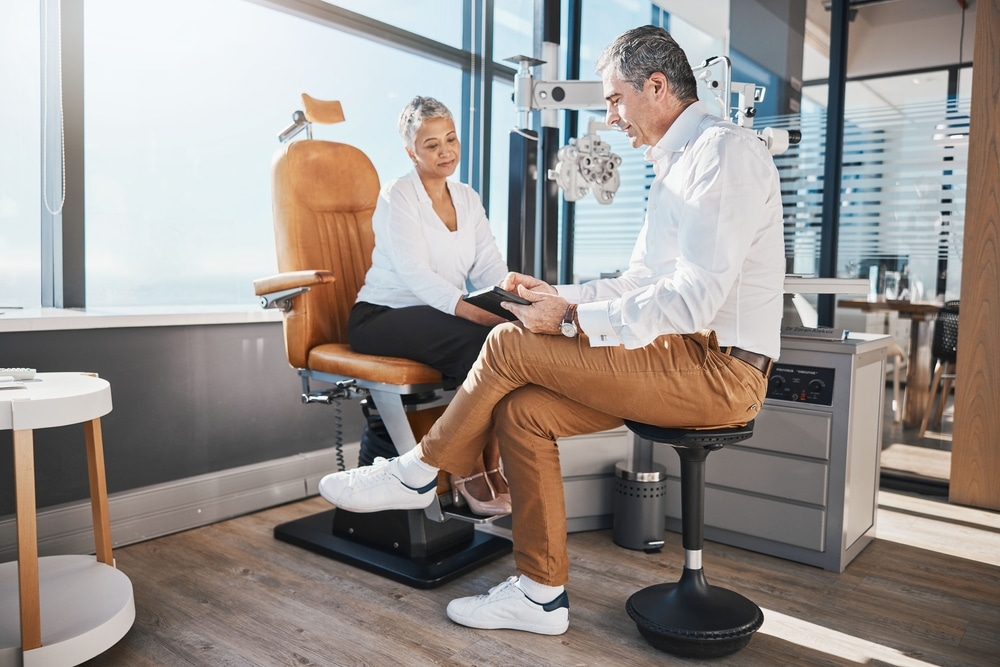
Writing down your questions before your appointment ensures you don’t forget to ask about something important. Your eye doctor at Clear Vision San Antonio takes time to explain your results and answer your concerns, so come prepared to have a thorough conversation about your eye health.
1. Ask about any vision changes you’ve noticed, even if they seem minor. Blurry vision, difficulty seeing at night, trouble reading, eye strain, or seeing floaters all deserve discussion. Describe when these changes happen and how long they’ve been occurring.
2. If you have a chronic condition like diabetes, ask how it might affect your eyes and what warning signs to watch for. Ask about how often you should schedule exams based on your specific risk factors. Some patients need annual exams, while others with certain conditions may need more frequent visits.
3. Ask about preventive strategies to maintain healthy eyes. What can you do to protect your vision? Are there lifestyle changes that could help? Should you take any supplements or vitamins? Your doctor can provide personalized recommendations based on your exam results and health history.
4. Don’t hesitate to ask about anything you don’t understand during your exam. If your doctor mentions a condition or test result, ask them to explain what it means for your vision and daily life.
Before Your Appointment

A few simple steps on the day of your exam can make the experience more comfortable and the results more accurate.
Skip eye makeup on the day of your exam. Mascara, eyeliner, and eyeshadow can interfere with certain tests and make it harder for your doctor to thoroughly examine your eyes. If you typically wear makeup, plan your appointment for a time when you don’t have other commitments afterward.
Note any new symptoms or vision changes to discuss with your eye doctor. Even small details can be significant.
Have you been experiencing headaches? Does your vision seem different in bright light versus dim light? Are you having trouble with glare while driving at night? Jot these observations down so you remember to mention them.
Bring sunglasses to wear after your appointment. If your eye doctor dilates your pupils (a common part of comprehensive exams), your eyes will be sensitive to light for several hours. Sunglasses make the trip home much more comfortable.
You should also have someone to drive you home after your appointment if your eyes are being dilated. Dilation can temporarily blur your vision, making it unsafe to drive yourself.
Take Control of Your Eye Health
Preparing for your annual eye exam helps you and your doctor protect your vision. When you bring the right information, ask thoughtful questions, and understand what to expect, you get more value from every appointment. Remember that many eye diseases develop silently, and regular exams catch problems when they’re easiest to treat.
Ready to schedule your annual eye exam? Contact Clear Vision San Antonio in San Antonio, TX, today to protect your vision and maintain healthy eyes for years to come.